






















Audience
Educators, Students
Grade Levels
Grades K-4, Grades 5-8
Subject
Engineering Design, Technology, Robotics
Type
Hands-on Activities, Lesson Plans / Activities
Introduction
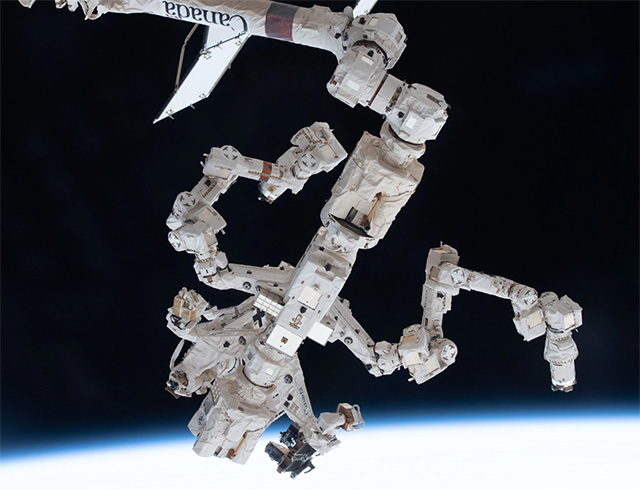
Whether extending the lifespan of satellites, assembling massive life-seeking telescopes in space, or refueling and repairing spacecraft on journeys to distant locations, robots are poised to make what was once thought impossible in space a reality. Robots will be essential to aid in repairs and updates on upcoming missions to the Moon and beyond. These capabilities are advancing the broader potential for more sustainable, flexible, and long-lasting space systems across a variety of missions.
In this activity, participants will use the engineering design process to develop an interchangeable tool to aid a robot. Participants will also write instructions on how to operate the robotool.
 Grade Range: 3-8
 Time Needed: 45 Minutes
 Materials List
Ensure that students have:
-
- Plastic eating utensils
- Assorted garden tools
- Paper cups
- Brass fasteners or clamps
- Craft materials, such as cardboard scraps, popsicle sticks, felt, foil, paper/foam plates, straws, PVC pipe
- String or twine
- Scissors
- Safety eyewear
- Variety of tape
- Broom handles, dowel rods, or something similar
- Shoeboxes or other types of boxes
- Scratch paper/pencil
- Computer/smart-phone
- Notebook/Journal
- Poster board for presentations
 Safety
Ensure that students:
-
- Practice safe cutting techniques when building their robotic devices.

Activity Procedure
Preparation
-
- Group participants into teams of two to four.
- Gather and prepare all listed supplies.
- Create various task boxes where students will demonstrate their robotic tools. Task boxes can be made from shoeboxes or other cardboard boxes. Each task box will have a specific challenge (e.g., a hole to place an object inside, a screw to tighten, or an object that needs to be moved from one location to another).
Procedure
-
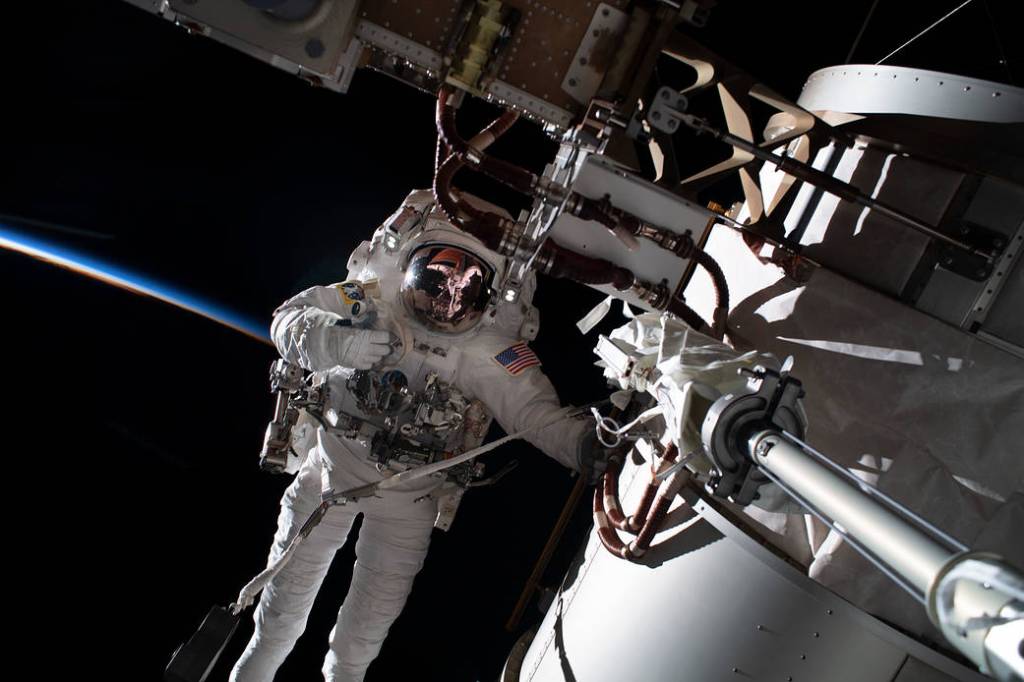
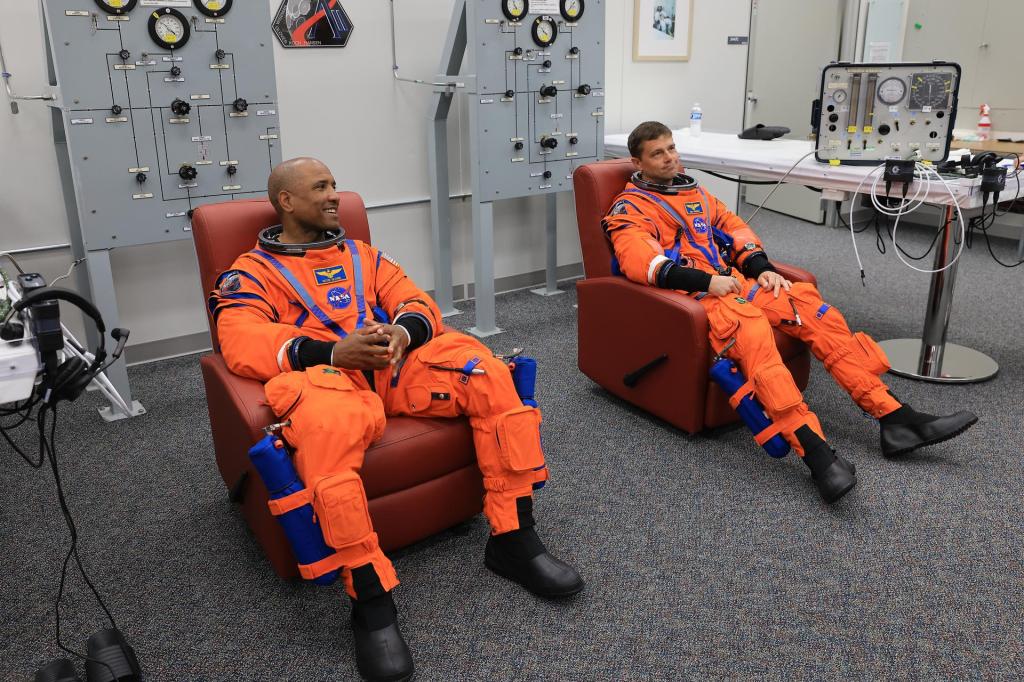
- Ask participants what challenges astronauts might face when they are wearing bulky spacesuits and thick gloves. How can robots aid with these challenges?
- Ask participants what function or purpose robots might serve on or near the Moon. What work will they be performing, or how could they assist with different tasks?
- Show participants the task boxes and explain the challenge. Teams will be designing a new multi-tool with interchangeable parts to aid robots with various tasks. The tool must have at least two interchangeable heads, and they can only use the materials that have been provided.
- Tasks might include tightening a screw, moving an object, or collecting at least two differently sized objects. The multi-tool must have at least two different interchangeable heads that can be easily changed.
- Allow participants to explore the materials they will use to build their new multi-tool. They will work in teams and collaborate, noting suggestions from all members of the team.
- Teams will sketch their designs, which must be approved by the educator (for safety).
- Teams will build their approved multi-tool device system using the materials provided.
- Teams will test their device using the task boxes. Participants will record observations and answer challenge questions.
- To share their multi-tool with others, teams should develop an instructional manual for the tool using their choice of media (e.g., poster, brochure, digital presentation, notebook).
Challenge Questions
-
- What were some difficulties your team faced during the initial design and build process? How did you overcome them?
- Were you surprised by the performance of your tool? Explain.
- How were you able to improve your tool during the redesign phase? What design changes did you make? How did these changes improve your tool’s performance?
Extension
-
- Explore NASA’s Micro-g NExT challenge to see how university students compete in this multi-tool challenge. (NExT stands for Neutral Buoyancy Experiment Design Teams.
- Give participants a size constraint, such as a small box or tube that their tool, as well as all its attachments, can fit in to be packed away for launch. Students must design their tools to be assembled, unfolded, or extended for use
- Have an object of a certain mass (e.g., golf ball, small weight) that the students’ tool must be able to hold without dropping.
- Have teams share the tool they invented with other classes or grade levels.
Career Connection
Developing new technologies with robotics is an emerging field of study. The use of robotics in space requires a team of people with diverse expertise and specialized skills working together to develop the technology necessary to enable communication between the robot, astronauts, and Earth. Below are a couple of examples of the types of careers that will help in this effort:
-
- Robotics careers develop, implement, and maintain technologies that deploy robotics. These types of careers focus on programming and smart manufacturing to ensure everything operates safely and efficiently.
- Network Systems and Cybersecurity careers focus on establishing and managing communication networks and protecting them from cyber threats.
Related Resource
Have questions about the RoboTools engineering design challenge? NASA Education Coordinator Michele Hooks answers some of the more common questions teachers may have before leading their students through this STEM activity.