
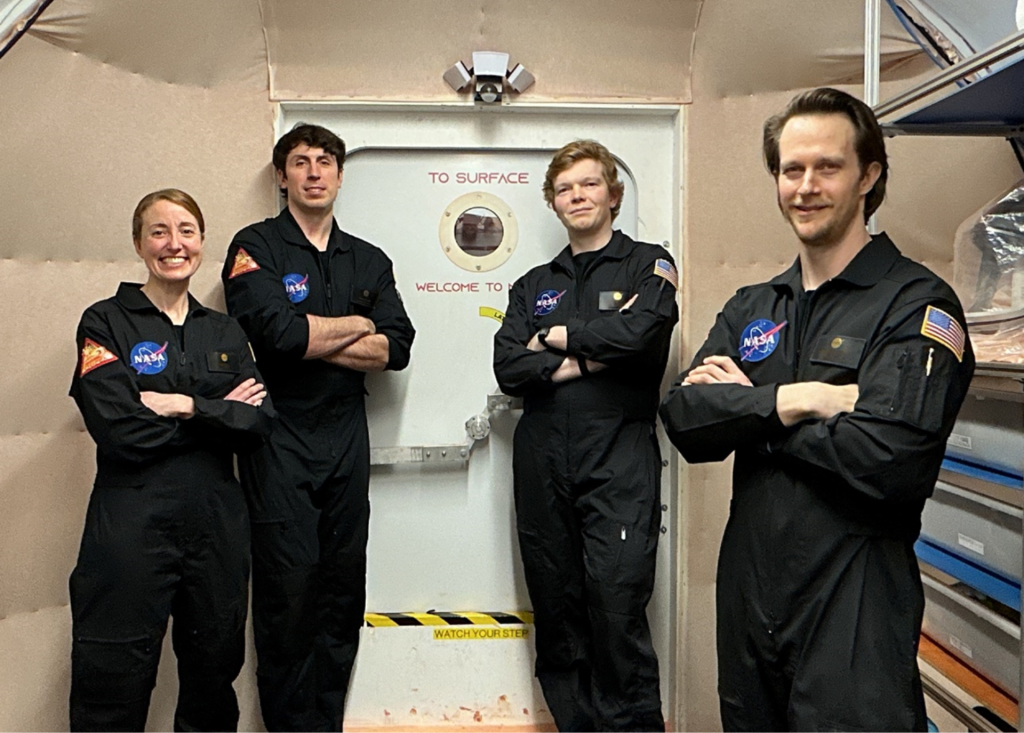



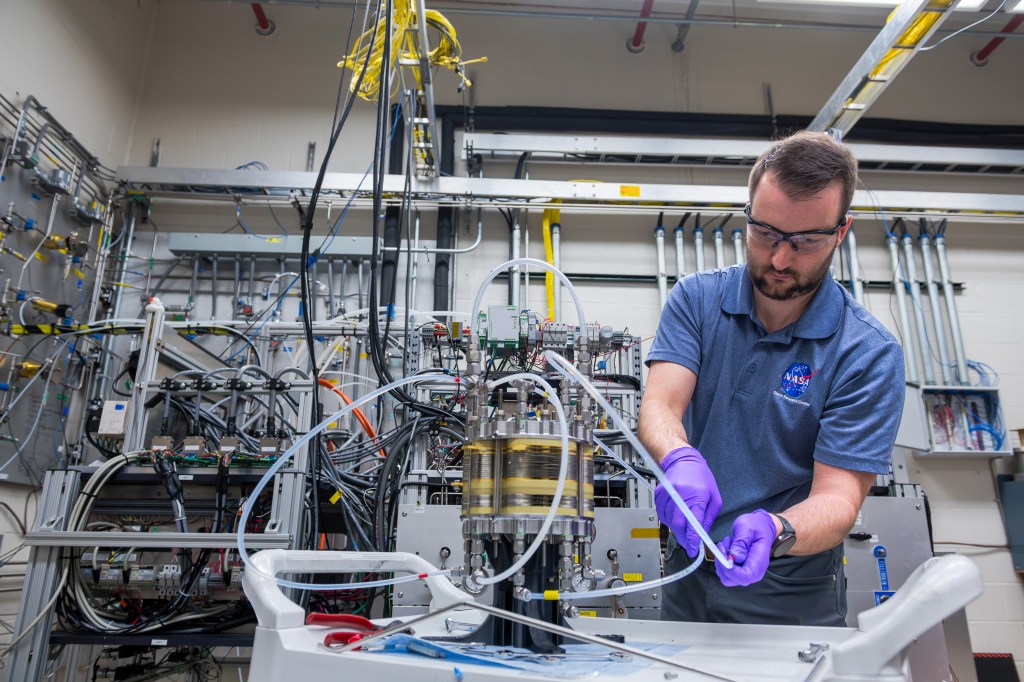
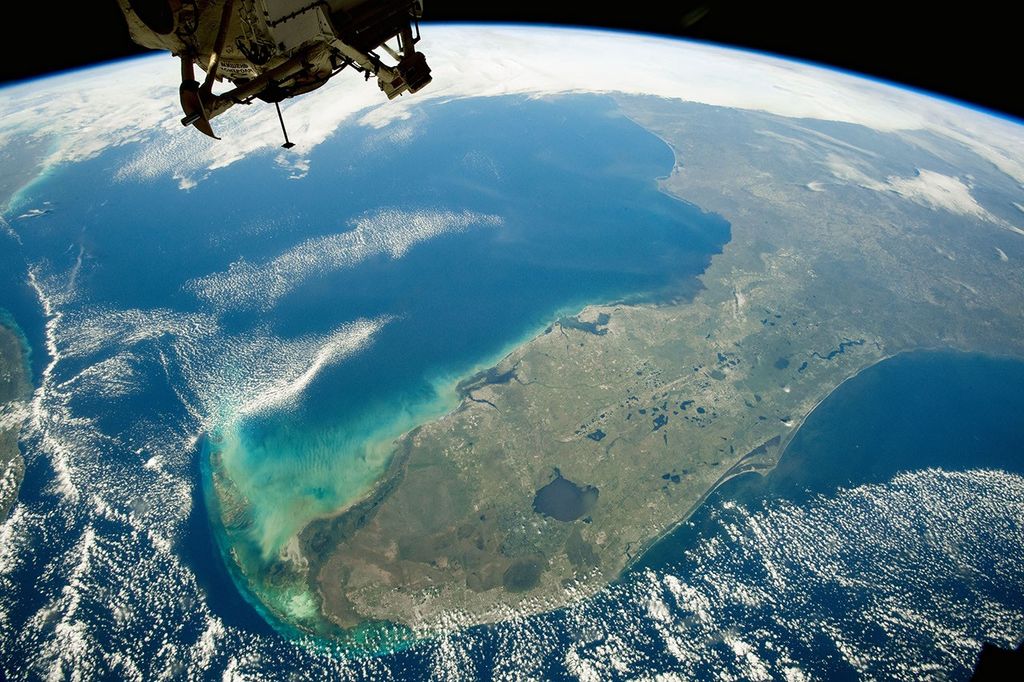
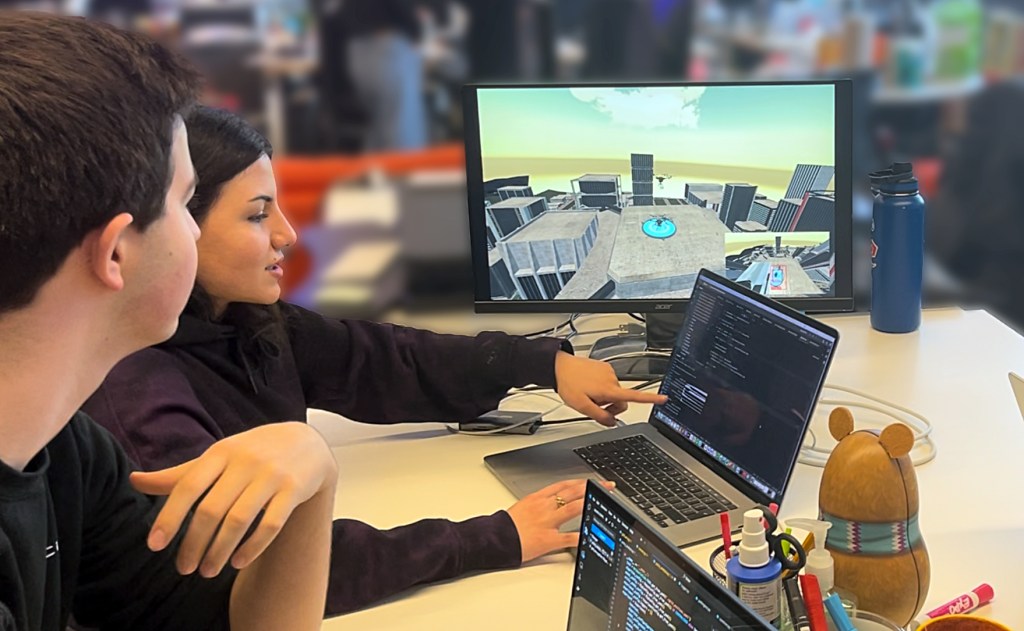



NASA’s Langley Research Center in Hampton, Virginia, made great strides in space technology, earth science, and aeronautics missions in 2019. The big news of the year was the announcement of the agency’s Artemis program, and the goal of sending the first woman and next man to the moon by 2024 to begin sustainable operations. Langley had a big role in this; however, our commitment to improving the lives of Americans through all of our mission areas remained as strong as ever. Here are some of the highlights from 2019.
Space Technology Takes Big Steps Forward in 2019
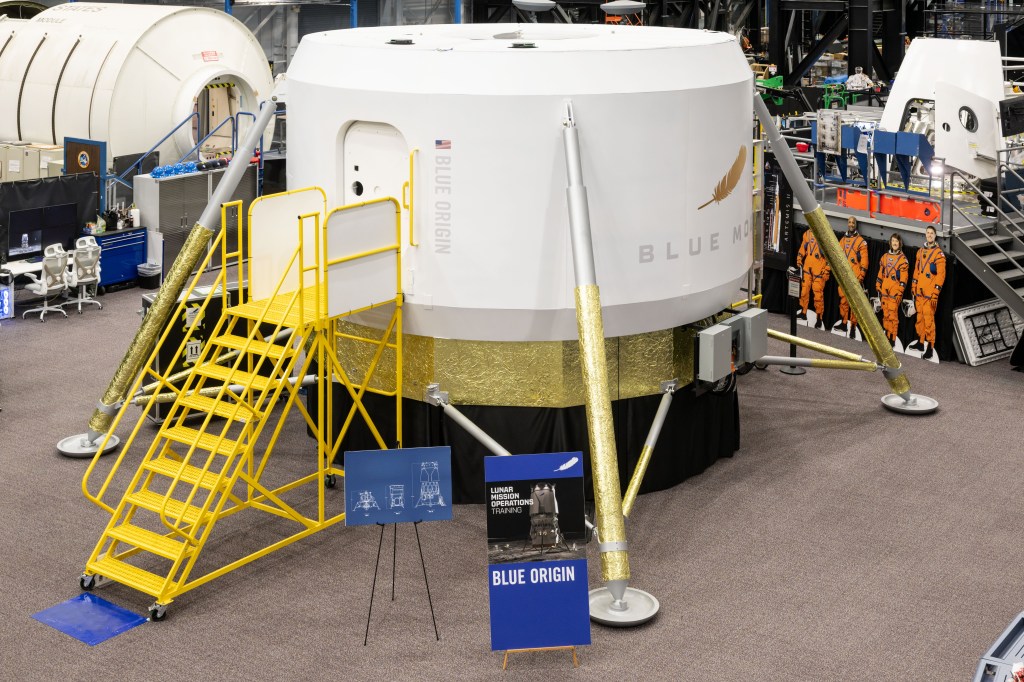
With NASA’s return to the Moon via the Artemis program, Langley has been at the heart of key developments in sending the next man and first woman to the Moon and further toward Mars. The year was capped off with Artemis Day, where Langley took part in a celebration and showcased technologies, from space radiation protection to the Space Launch System, were highlighted at the marquee event.
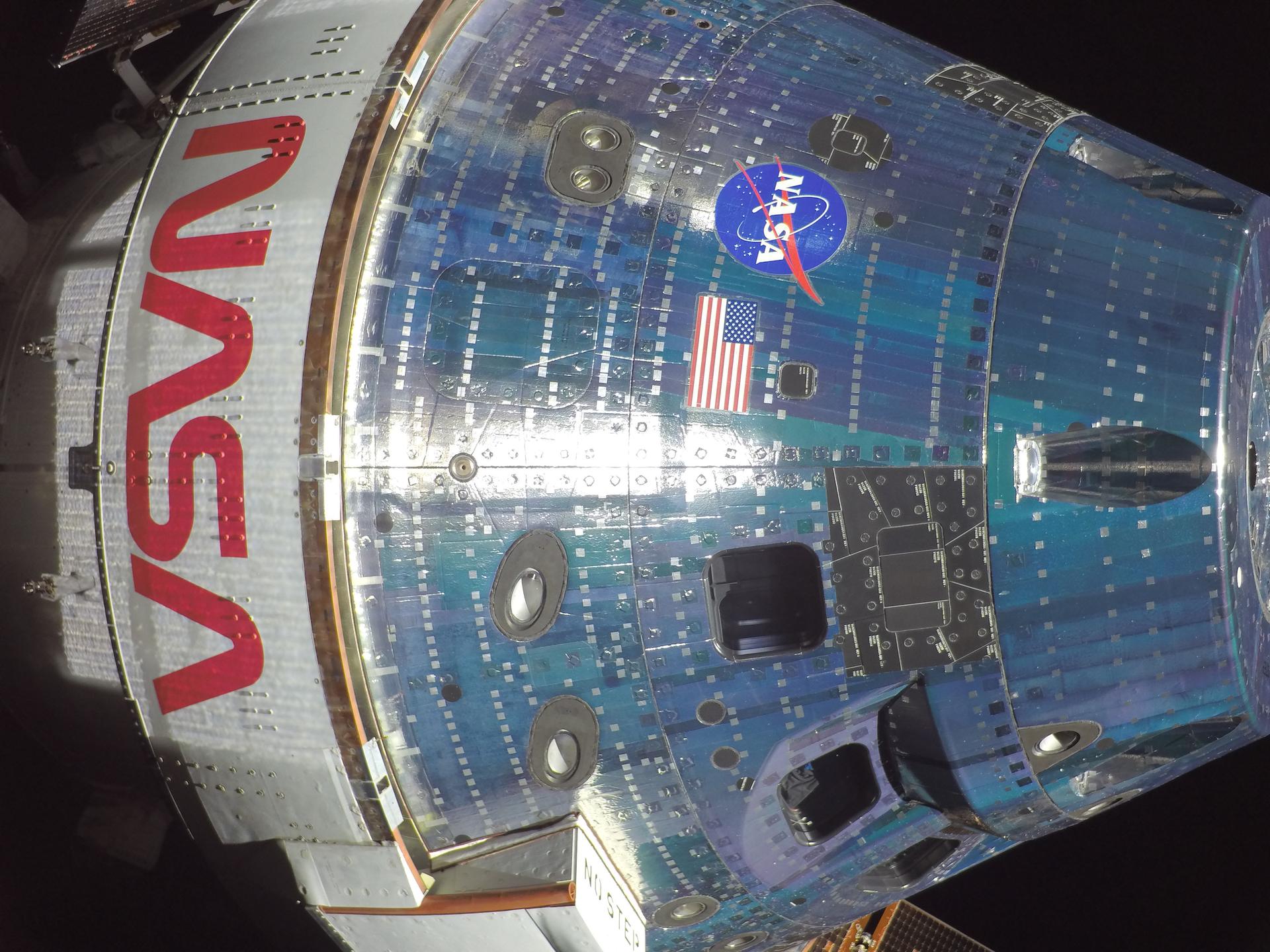
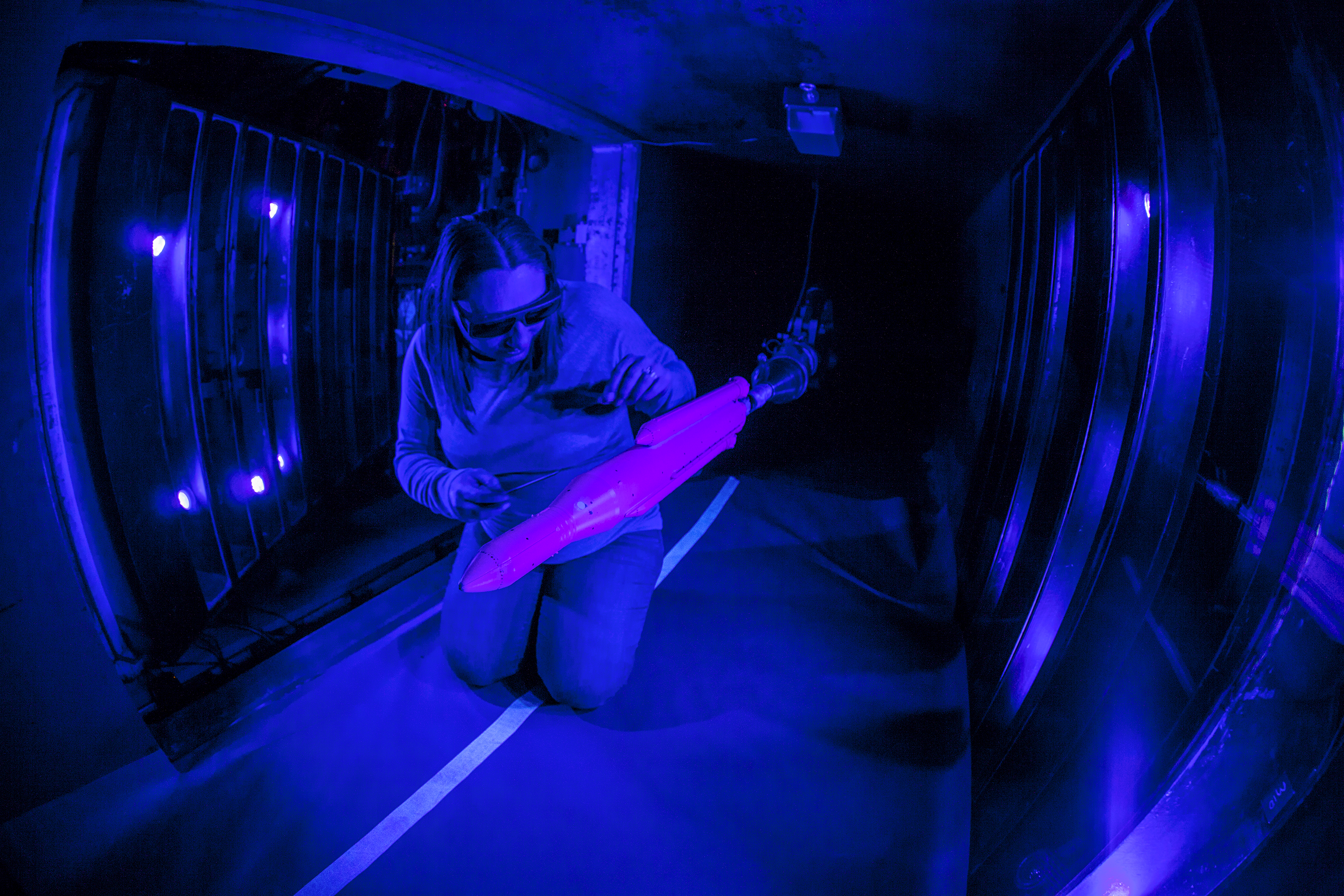
The Space Launch System will be the most powerful rocket the agency has ever built and Langley has its fingerprints on the technology. Langley constructed barrels for the Mass Simulator for Orion that were sent to NASA’s Kennedy Space Center in Florida for further testing. Scaled models of the SLS were tested at Langley’s wind tunnel facilities to understand changing pressures exerted on the rocket during a launch and for lift-off conditions. Regarding Orion, the exploration vehicle that will carry the crew to space on the SLS, testing proved fruitful this year with Navigation Doppler Lidal undergoing development and being put through its paces to make sure its measurements are correct for safe landings.
Space technology looks to the future, and that includes nurturing and developing the next generation of talent for the agency. Langley hosted to the Revolutionary Aerospace Systems Concepts – Academic Linkage Special Edition (RASC-AL): Mars Ice Challenge, where university teams simulate drilling for water on Mars – a key factor in creating a sustained presence on the Red Planet. A team from West Virginia University won this year’s challenge. Local high schoolers also contributed to space – notably to the International Space Station via the HUNCH program. They created crew training single stowage lockers that are set to be used aboard the ISS soon.
While looking forward, NASA had a chance to reflect back on its earlier Moon missions with the 50th anniversary of the Apollo missions. Langley is home to the historic gantry, where astronauts like Neil Armstrong and Buzz Aldrin trained before going to the Moon. An astronaut on the fated Apollo 13 mission, Fred Haise, spoke about his experiences to a captivated Langley audience.
Earth Science: Exploring Our Planet
An orbiting instrument called Tropospheric Emissions: Monitoring of Pollution, or TEMPO, drew closer to launch. Ball Aerospace completed the instrument and Maxar Technologies won a contract to host it on a commercial platform. TEMPO will make hourly measurements of atmospheric pollutants and form part of a global air-quality constellation of similar satellites over Europe and Asia.
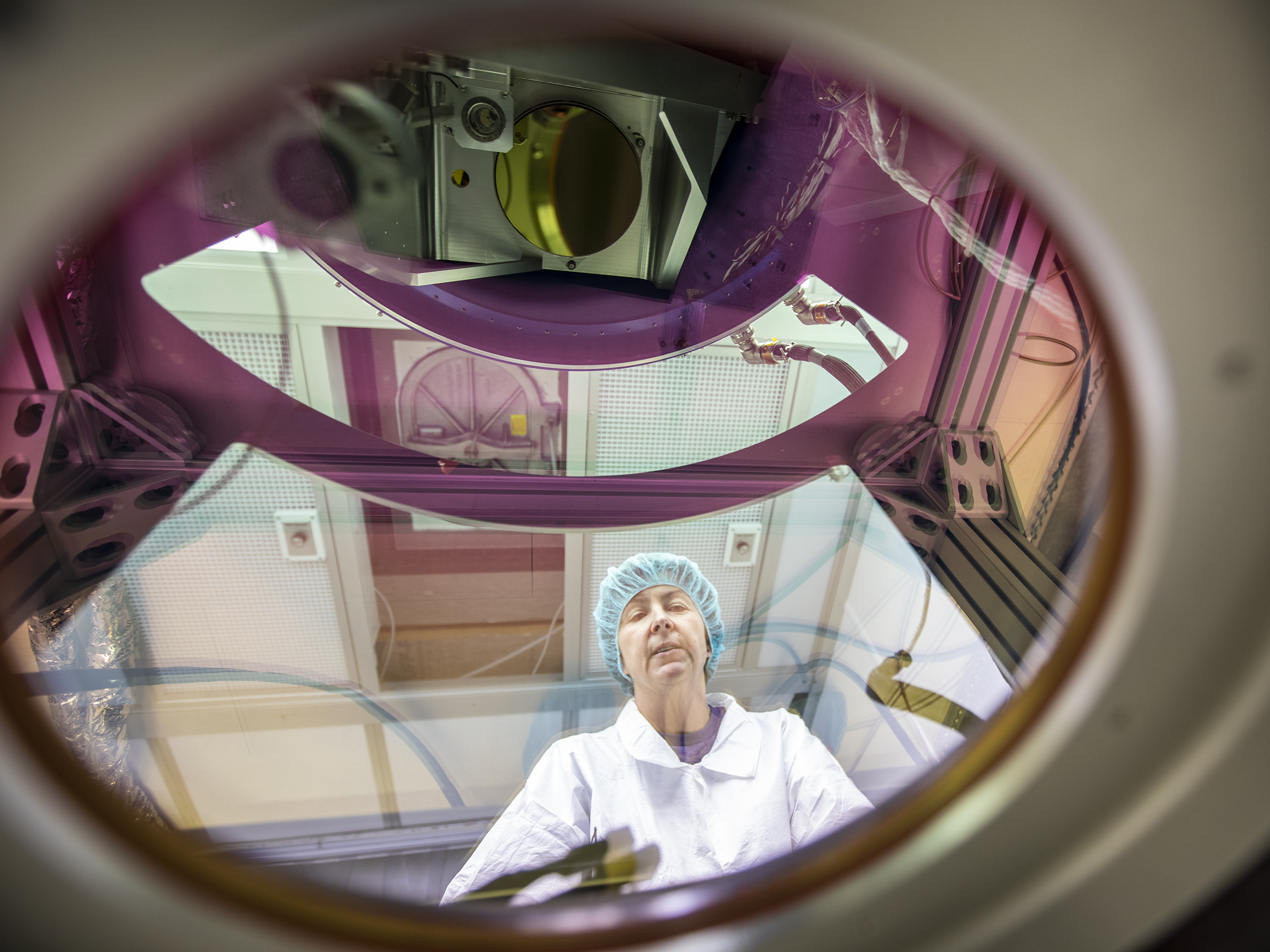
Doppler Aerosol Wind Lidar (DAWN), an airborne instrument that profiles wind speed and direction by using pulsed lasers at varying scan angles to detect the movement of atmospheric aerosols such as dust or sea salt, underwent successful field testing during an airborne science campaign that spanned from the Pacific coast to Hawaii.
Speaking of airborne campaigns, Atmospheric Carbon and Transport-America, or ACT-America, conducted its fifth and final flight campaign to study how weather moves carbon dioxide and methane through the atmosphere over the eastern part of the U.S. Hot on its heels, a mission called Fire Influence on Regional to Global Environments Experiment – Air Quality, or FIREX-AQ, studied what happens to smoke from wildfires and prescribed burns as it rises and gets transported downwind. FIREX-AQ is a partnership between NASA and the National Oceanic and Atmospheric Administration.
While we were excited to complete new instruments and start new campaigns, the center also celebrated an important earth science milestone. Langley marked the 25th anniversary of the Lidar In-space Technology Experiment (LITE), the first Earth-observing lidar in space. Launched on space shuttle Discovery (STS-64) in September of 1994, LITE changed the way scientists see Earth’s atmosphere and laid the groundwork for future lidar missions.
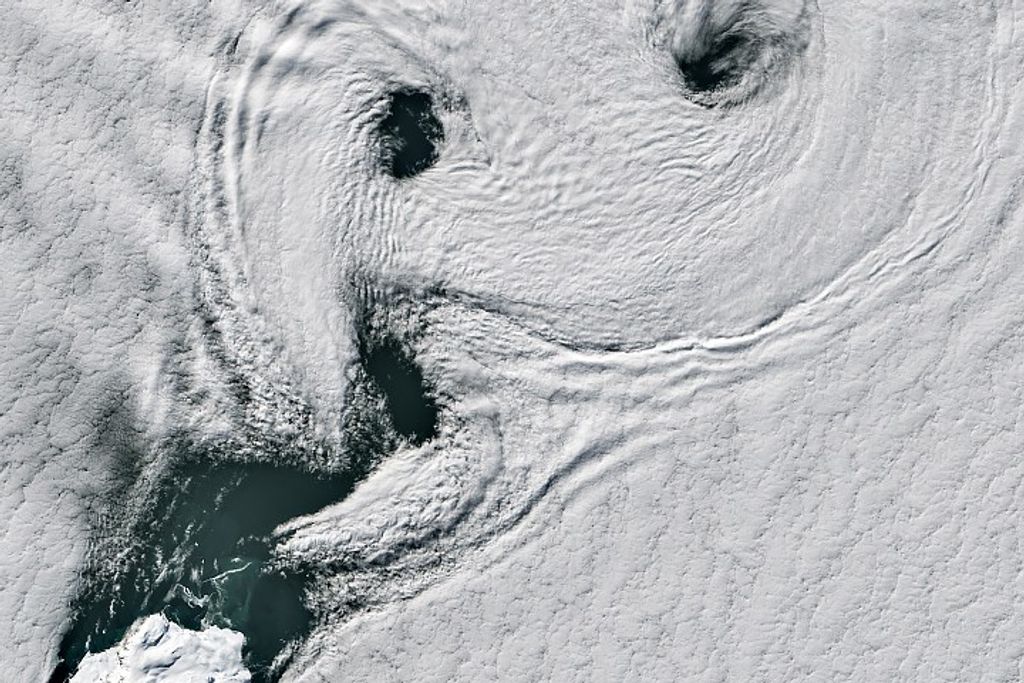
Proving that everyone has a role to play in earth science, for the second consecutive year, NASA and the GLOBE Program asked citizen scientists to share their cloud observations. These observations help scientists working with a suite of satellite instruments known as the Clouds and the Earth’s Radiant Energy System (CERES) differentiate between snow and clouds in some satellite images. The challenge brought in more than 45,000 observations from citizen scientists in more than 17,000 locations in 93 countries on every continent — including Antarctica.
Thinking outside of the box, researchers made novel use of the Cloud-Aerosol Lidar and Infrared Pathfinder Satellite Observations (CALIPSO) satellite to study the massive vertical migration pattern of tiny ocean animals, including krill and small squid. CALIPSO was designed to study atmospheric phenomenon.
Aeronautics Takes Flight
Langley’s aeronautics team reached several major milestones in 2019 in its efforts to enable commercial supersonic air travel over land, electric-powered flight, urban air mobility, and other advances in aviation technology.
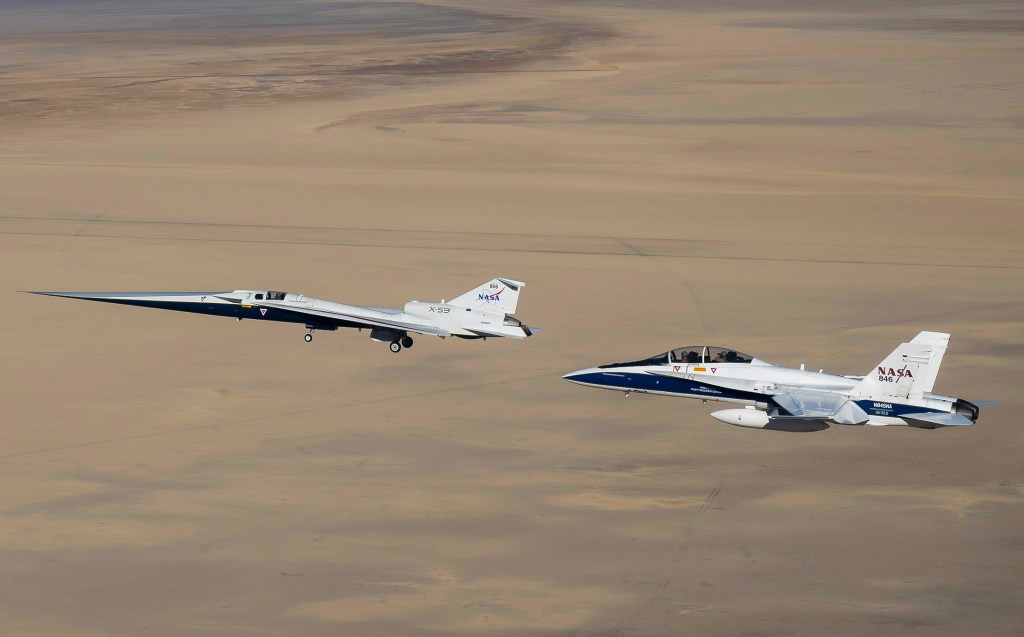
In August, NASA Langley tested the X-59 QueSST’s (short for Quiet SuperSonic Technology) eXternal Vision System, a forward-facing camera and display system that lets the pilot see the airspace in front of him or her.
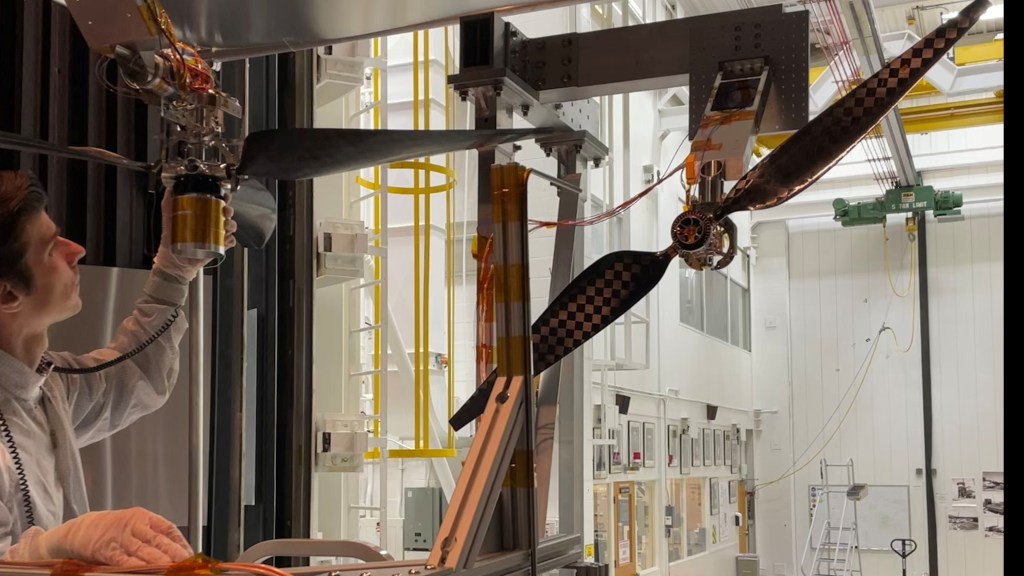
NASA’s research into electric-powered flight involving the X-57 Maxwell made headlines throughout the year. Researchers at Langley helped develop the electric motors, batteries and instrumentation technologies that will pave the way for future cleaner, quieter, electric aircraft.
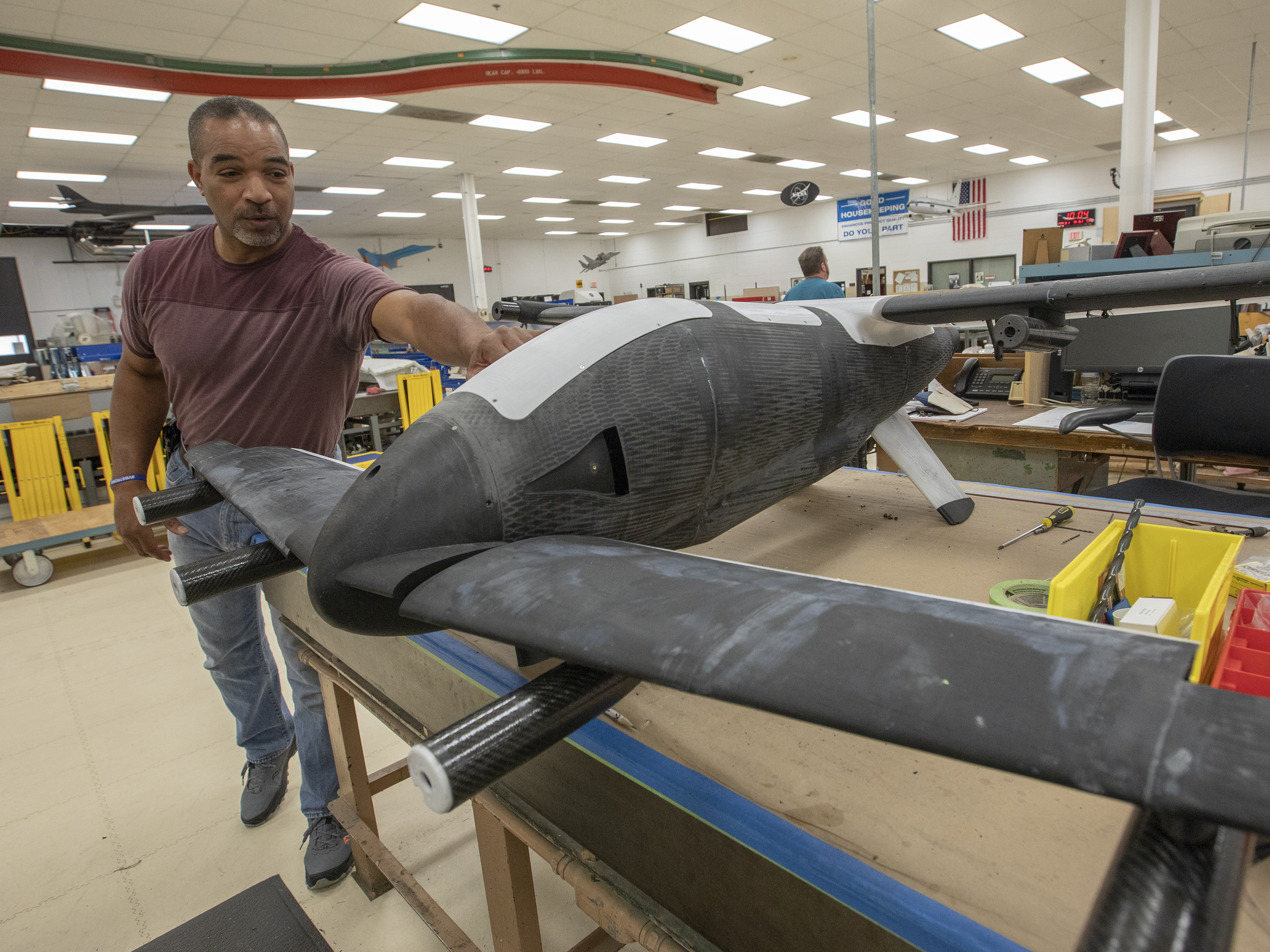
Throughout the year, NASA Langley also continued other avenues of research to advance aviation technology. Partnering with academia, industry and other government agencies, researchers studied composite materials used in aerospace construction. Their focus was reducing the time it takes to develop and certify composite materials and structures and after a five year study the project held its Final Review in October.
Langley researchers also assisted the Federal Aviation Administration with the intentional crash of a Fokker F-28 mid-size transport aircraft at the Landing and Impact Research Facility. The test enabled researchers to gather the needed data in order for the FAA to pursue new guidelines in transport-category aircraft crashworthiness.
No Time to Slow Down
The progress of 2019 paved the way for more advances to come in 2020. NASA Langley will continue work to make the Artemis missions a success in furtherance of human spaceflight to Mars, to understand the intricacies of our home planet, and to revolutionize autonomous flight and commercial air travel.