
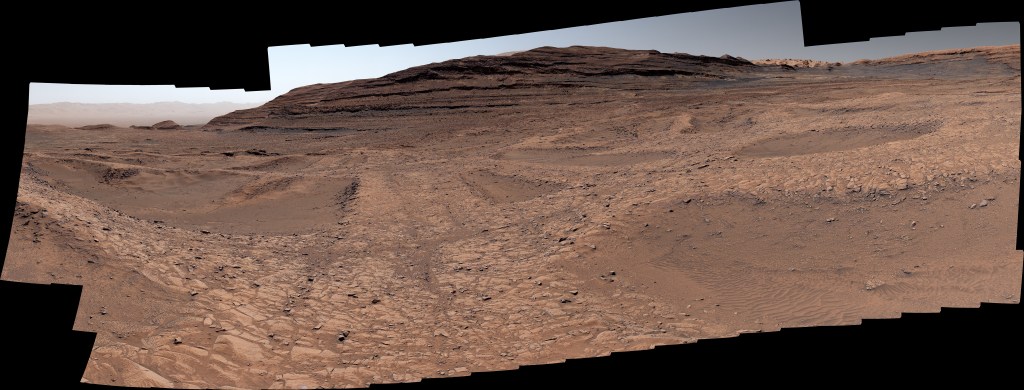
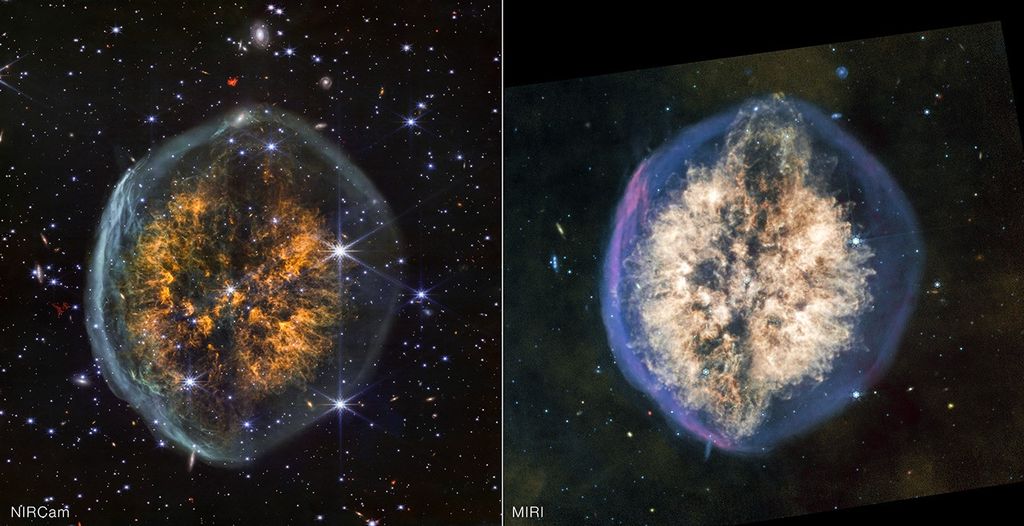
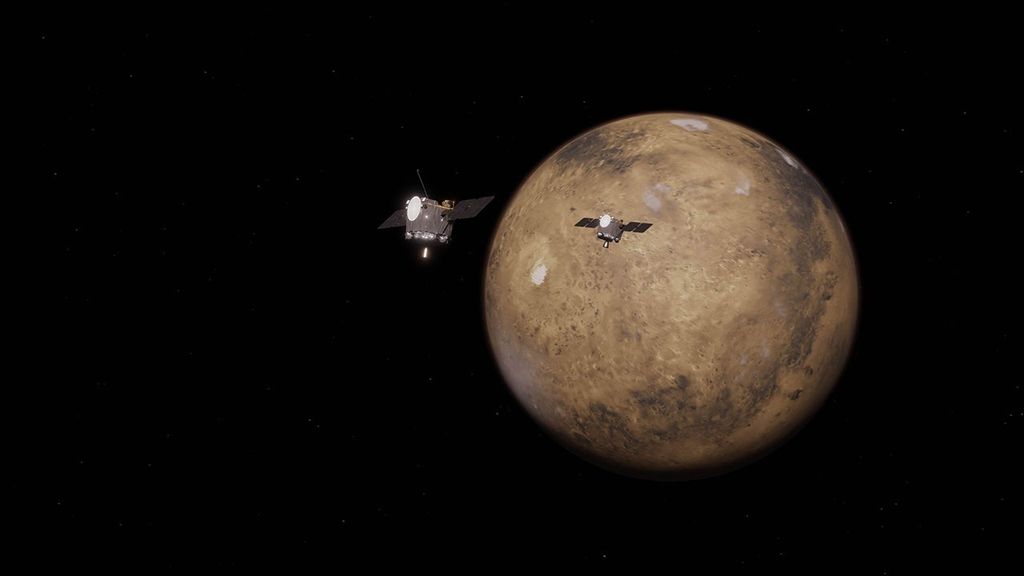
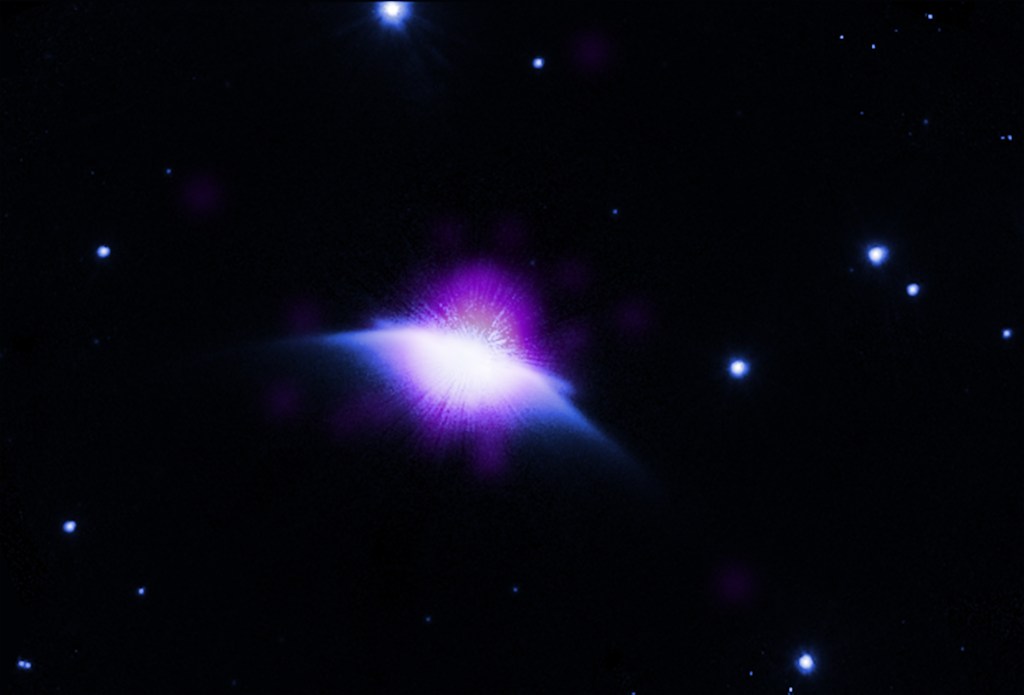
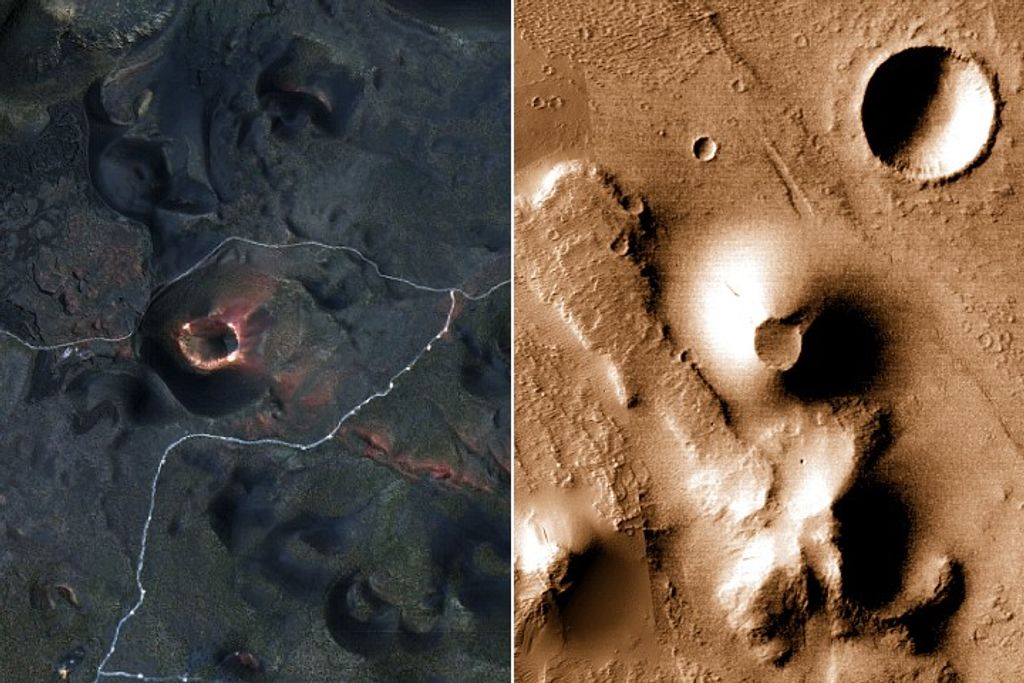
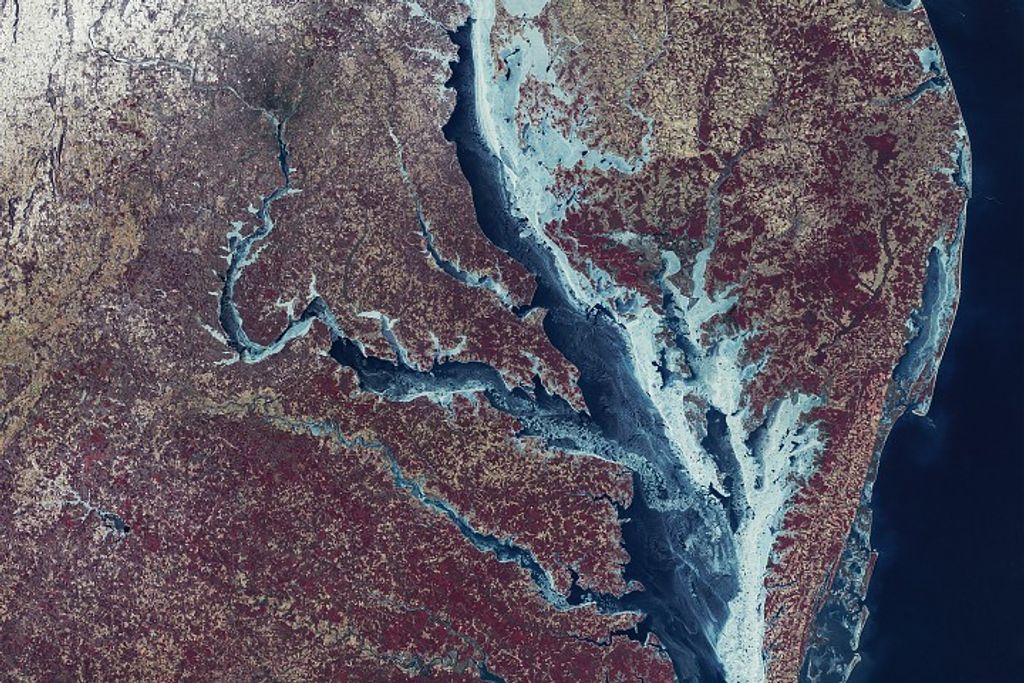
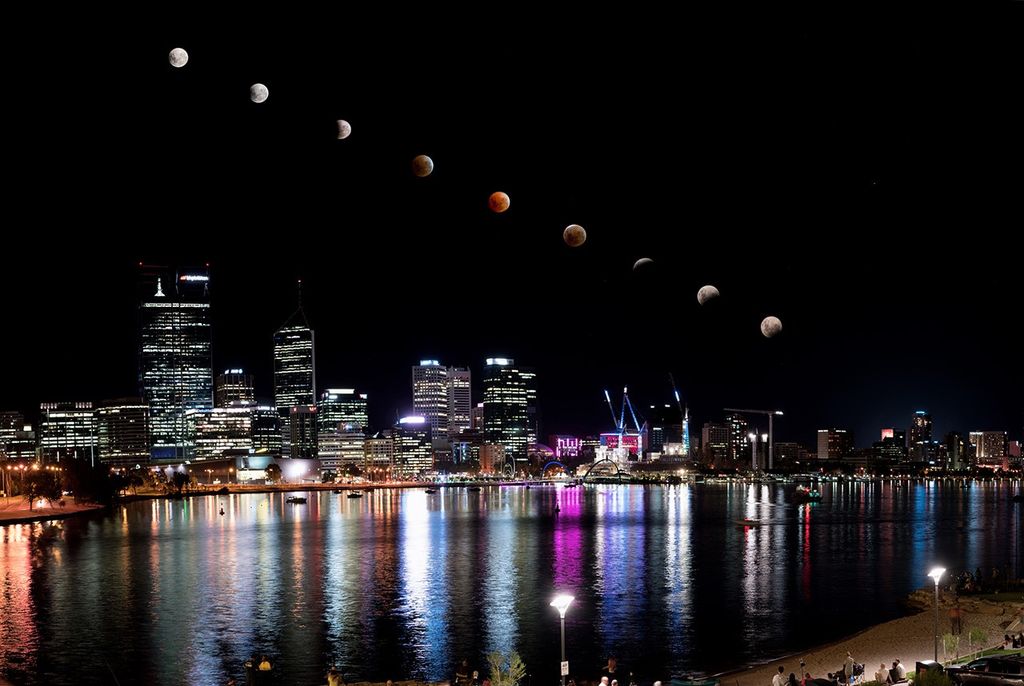
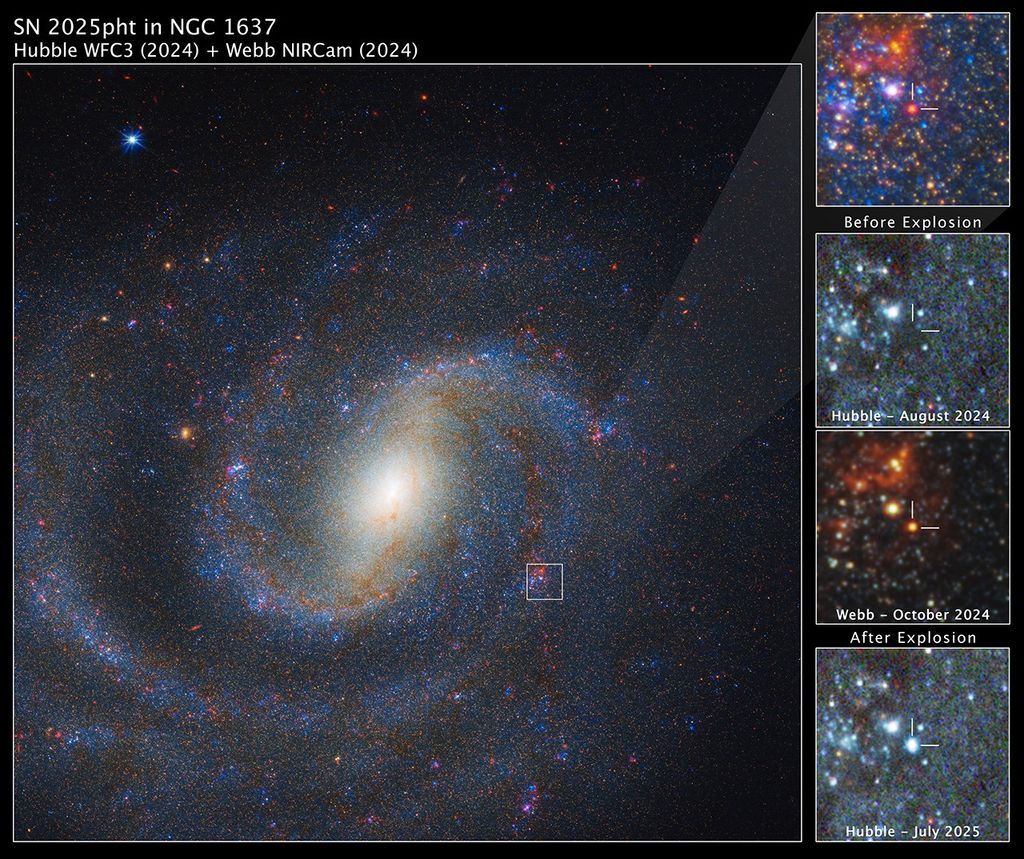


When the Hubble Space Telescope rocketed into orbit aboard the Shuttle Discovery on April 25, 1990, the world of astronomy was forever changed for the better. The four images above only begin to describe Hubble's ability to amaze with both beauty and science.
Clockwise from top left:
Helix Nebula: In 2002, Hubble caught this dizzying look down a trillion-mile-long tunnel of glowing gases. Combined with a wide view from a ground telescope, it's one of the largest and most detailed celestial images ever made.
Close Encounter with Mars: Polar white contrasts with rusty surface terrain in this August 2003 image, taken when the red planet was just 35 million miles from Earth, its closest approach in 60,000 years.
Eagle Nebula: This 1995 photo of eerie, dark pillar-like structures has appeared on magazine covers, postcards and computer desktops worldwide. The pillars are actually columns of cool interstellar hydrogen gas and dust that serve as incubators for new stars.
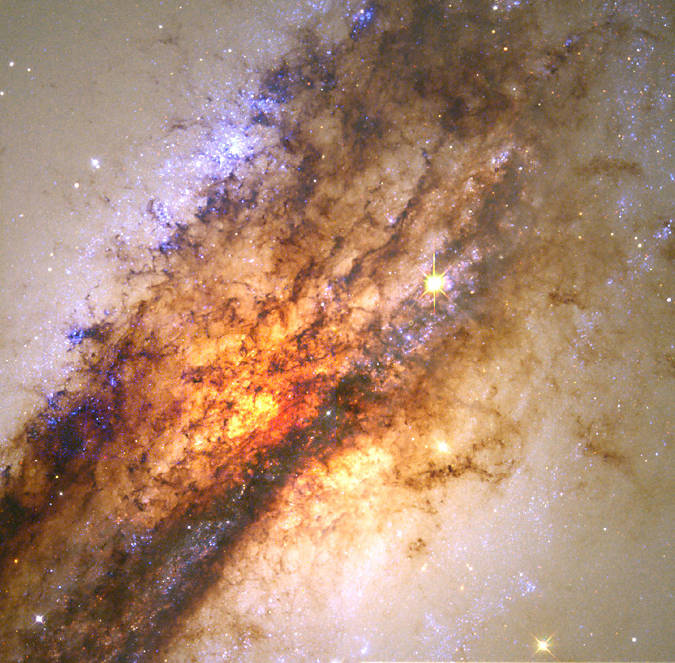
Galactic Cannibalism: A massive black hole hidden at the center of nearby galaxy, Centaurus A, feeds on a smaller galaxy in a spectacular collision.
Image Credit: NASA/ESA/STScI -- from HubbleSite
+ Full Resolution Image of Helix Nebula
+ Full Resolution Image of Mars
+ Full Resolution Image of Eagle Nebula