



Stennis is…
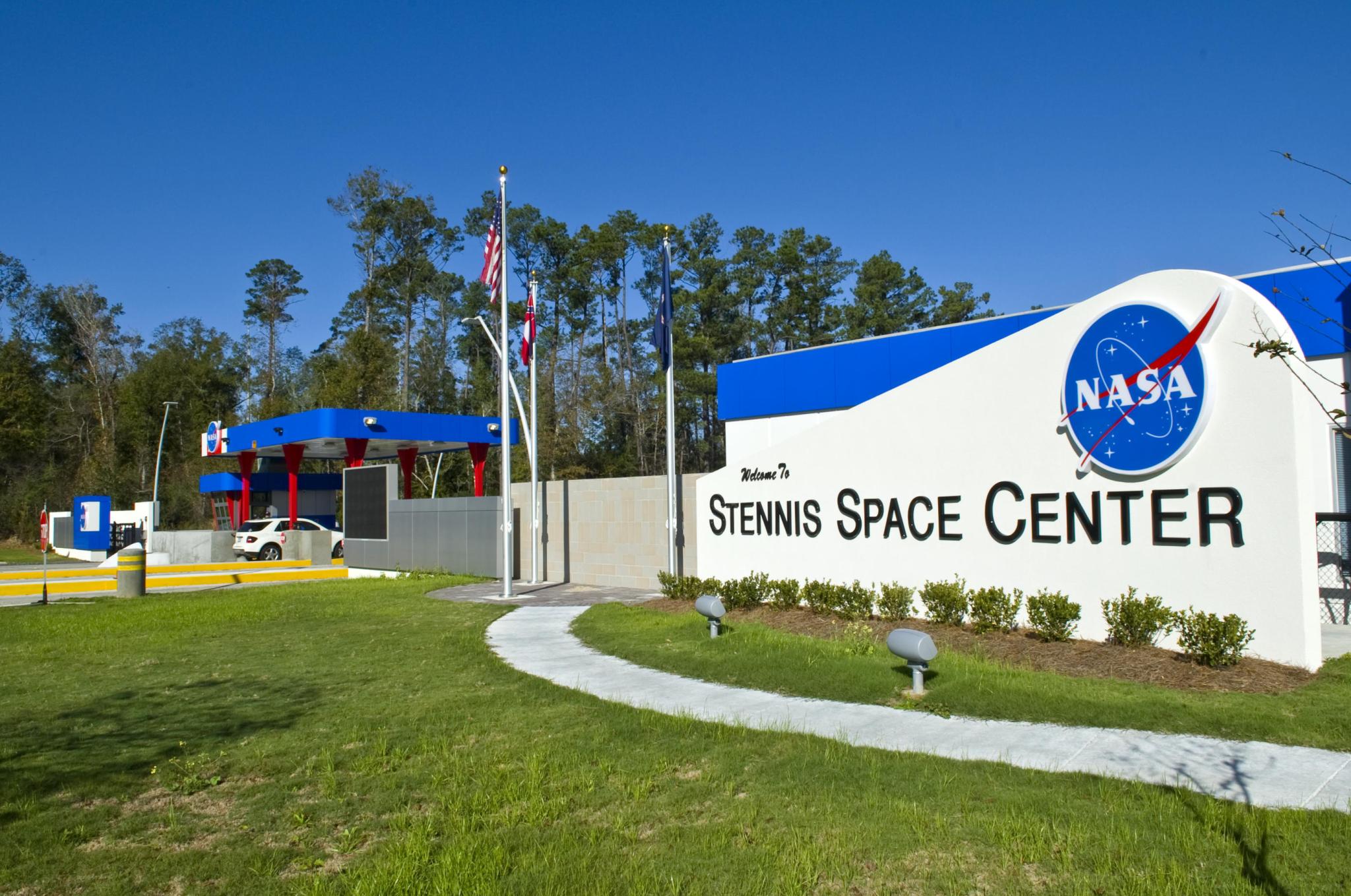
John C. Stennis Space Center in south Mississippi is one of 10 NASA field centers in the United States.
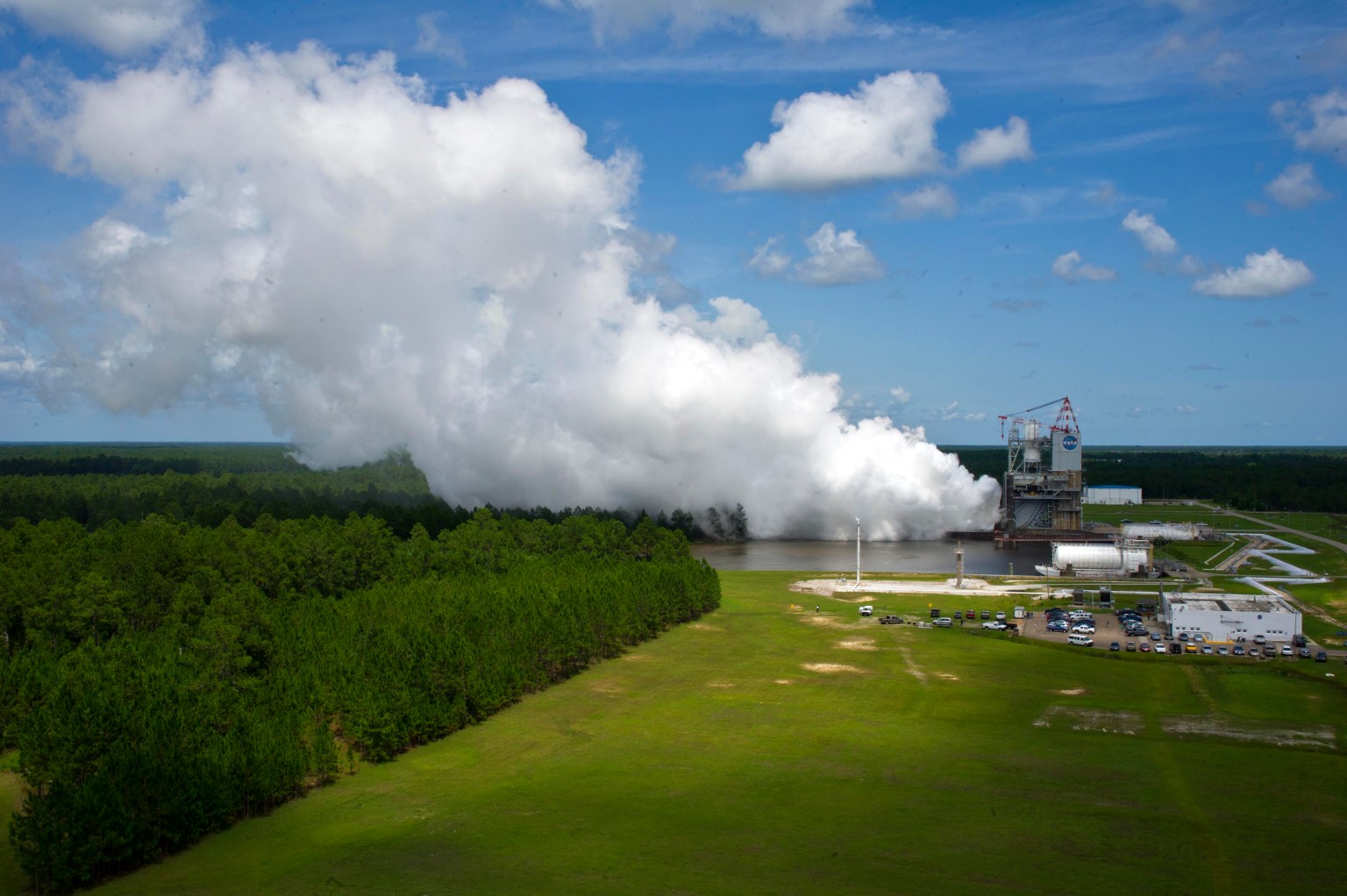
… the nation’s premier rocket engine test facility
From the Apollo Program to the Space Shuttle Program, and now the Space Launch System (SLS), Stennis Space Center has been there every step of the way, powering the nation’s human space program as NASA continues its mission to explore the secrets of the universe for the benefit of all.
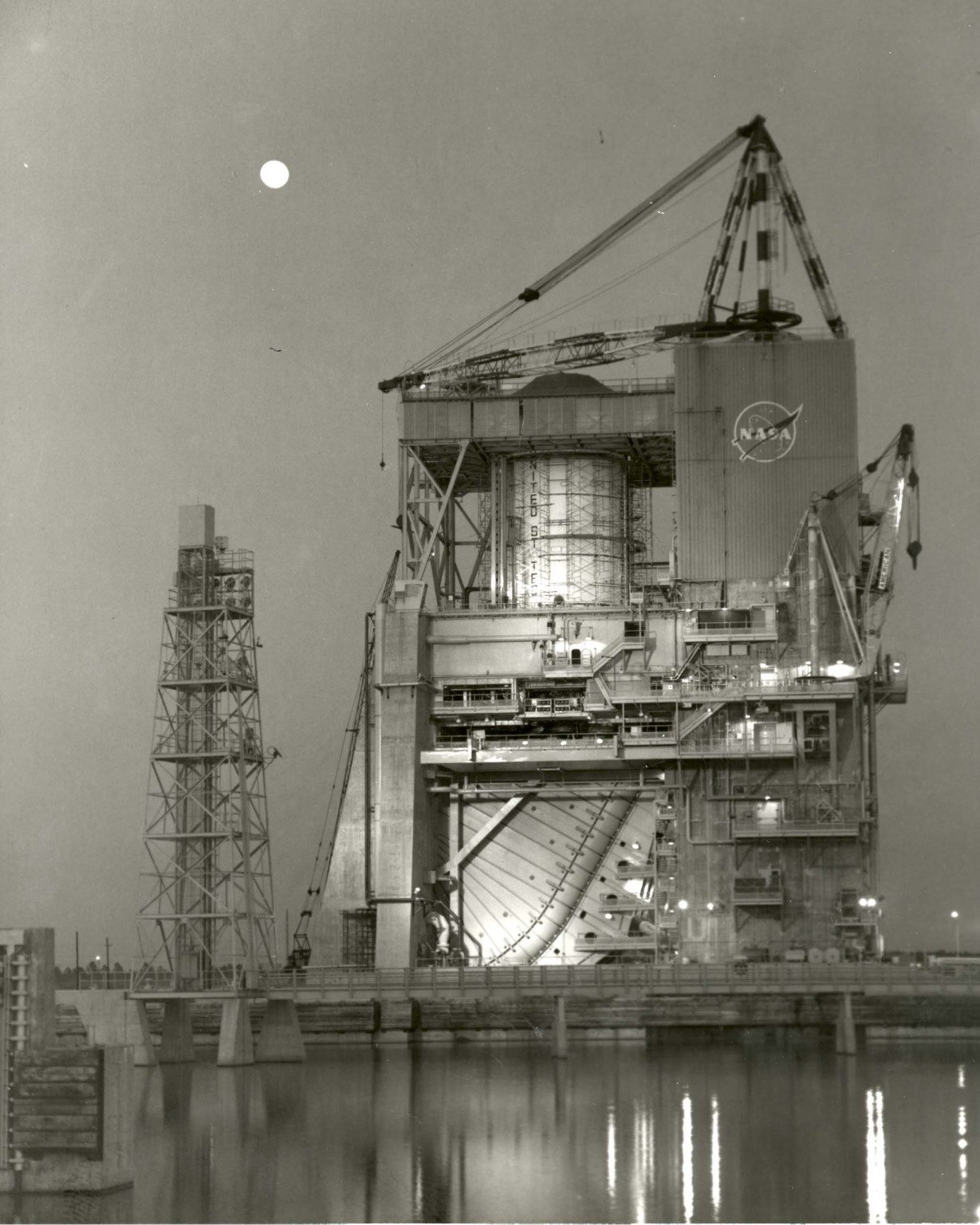
Stennis tested 27 Saturn V rocket stages during the Apollo Program, including those that carried the first humans to the surface of the Moon from 1969 to 1972.
It conducted 2,307 space shuttle main engine hot fires from 1975 to 2009 and tested every engine that powered 135 shuttle missions to space.
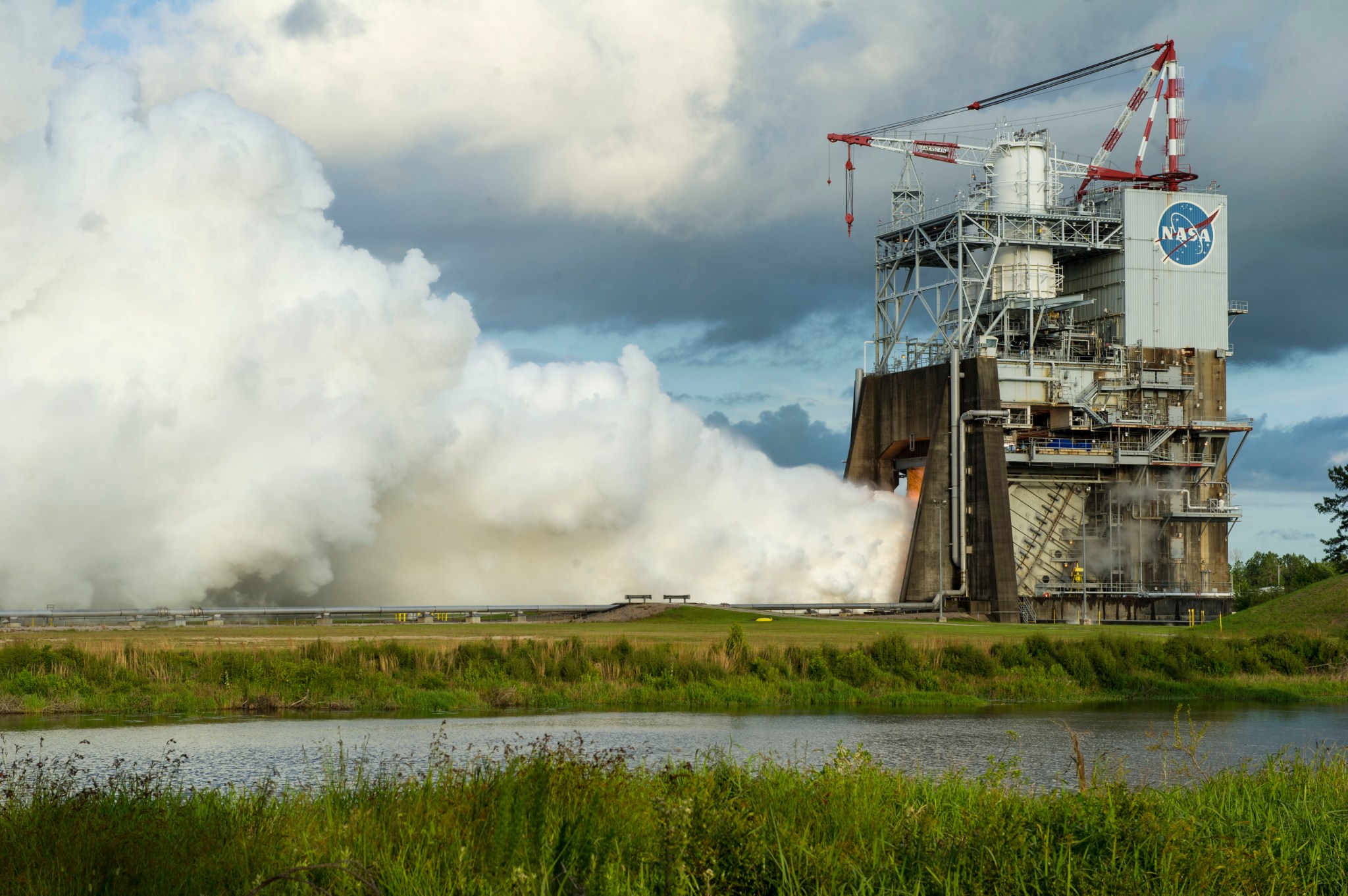
Stennis also is the lead center to manage all NASA propulsion test capabilities and assets. The site now is testing RS-25 engines that will send the world’s most powerful rocket, SLS, on Artemis missions to the Moon and on eventual flights to Mars.
… the second largest of 10 NASA centers in America
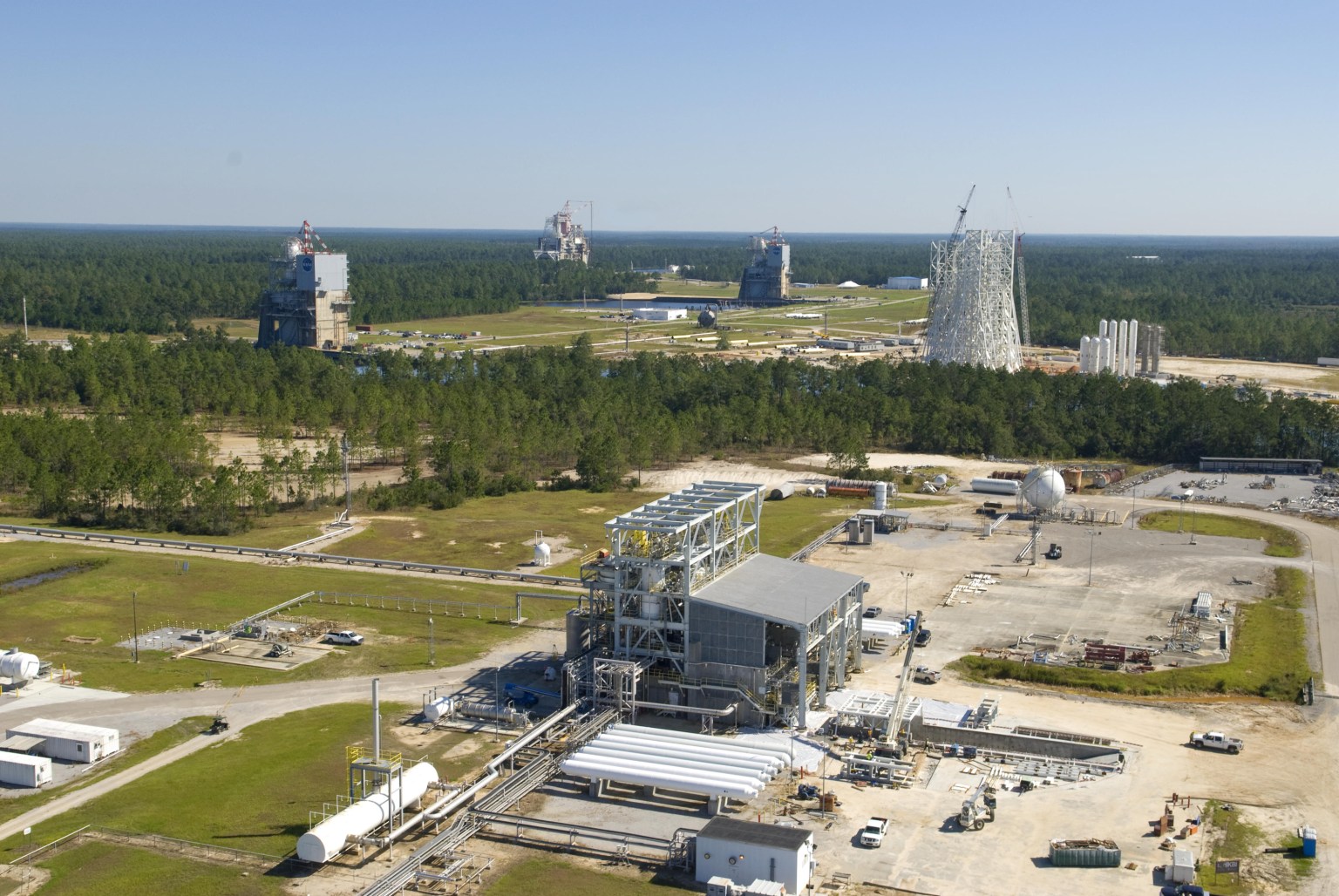
Stennis is located on more than 138,000 acres of land, making it the second largest of 10 NASA centers in the United States in terms of geographic size. This area includes a 13,800-acre “fee area and a 125,000-acre buffer zone, which is considered a national asset.
All Stennis facilities and test structures are in the “fee” area, with the surrounding buffer zone extending in all directions in a 9-mile radius. The buffer zone allows the site to operate year-round with little-to-no interruption of area businesses and residents during test operations.
The location of Stennis, along with the versatile testing infrastructure, provides a secure, flexible work environment and facilitates a variety of testing needs, both for NASA and commercial partners.
… a unique federal city home to about 40 agencies
Stennis continues to evolve since the early days of testing in the 1960s, transforming into a unique federal city home to about 40 federal, state, academic, private, and technology-based tenants and 5,000-plus employees. If counted as a single workforce, Stennis Space Center would rank as one of the Top 10 largest businesses in the state of Mississippi.
Within the federal city framework, resident agencies pursue individual missions while sharing in overall operating costs for the center. The shared concept allows the agencies to direct more funding to individual missions, making Stennis a paradigm of operating efficiency.
… an economic engine for the Gulf Coast region
With its effective cost-sharing philosophy, versatile test facilities, and highly skilled and diverse workforce, Stennis is a model of government efficiency that provides American taxpayers positive returns on their investment.
The site serves as a powerful economic engine for local economies in the Gulf Coast region. According to Mississippi State University studies, Stennis contributes as much as $1 billion a year to the economies of Hancock, Harrison, and Pearl River counties in Mississippi and St. Tammany Parish in Louisiana – all located within a 50-mile radius.
The site also serves as a seedbed for cutting-edge technology development, helping to instill an entrepreneurial spirit in the region and attract new industry to the area. In addition, Stennis employees positively impact their local communities in such areas as education, civic engagement and leadership, and racial and cultural integration.
… bottom line – a treasure for both Mississippi and the nation.
Stennis Space Center Virtual Tour
Go on a behind-the-scenes virtual tour of John C. Stennis Space Center, America’s largest rocket engine test facility, to see how we helped to power NASA’s human spaceflight programs and more!
Learn More about Stennis Space Center Virtual Tour