








NASA Space Apps Challenge
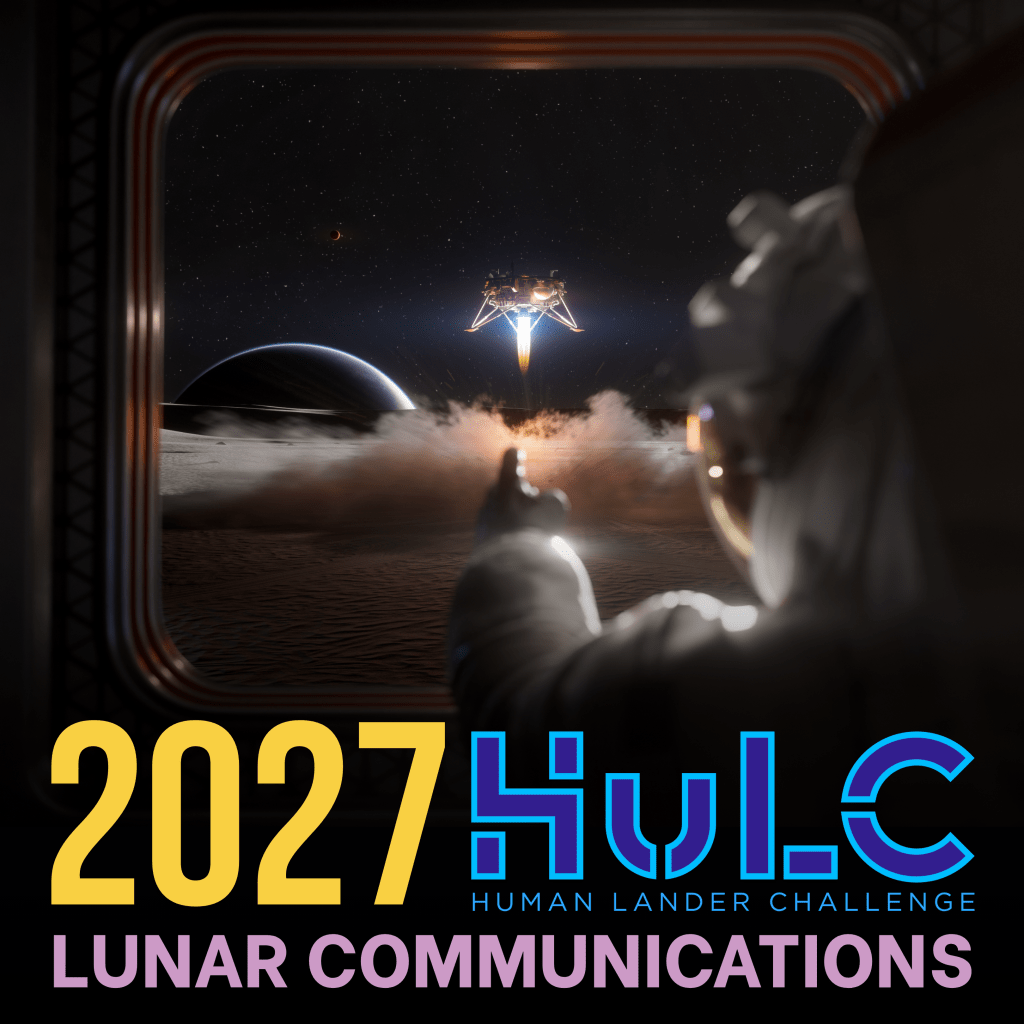
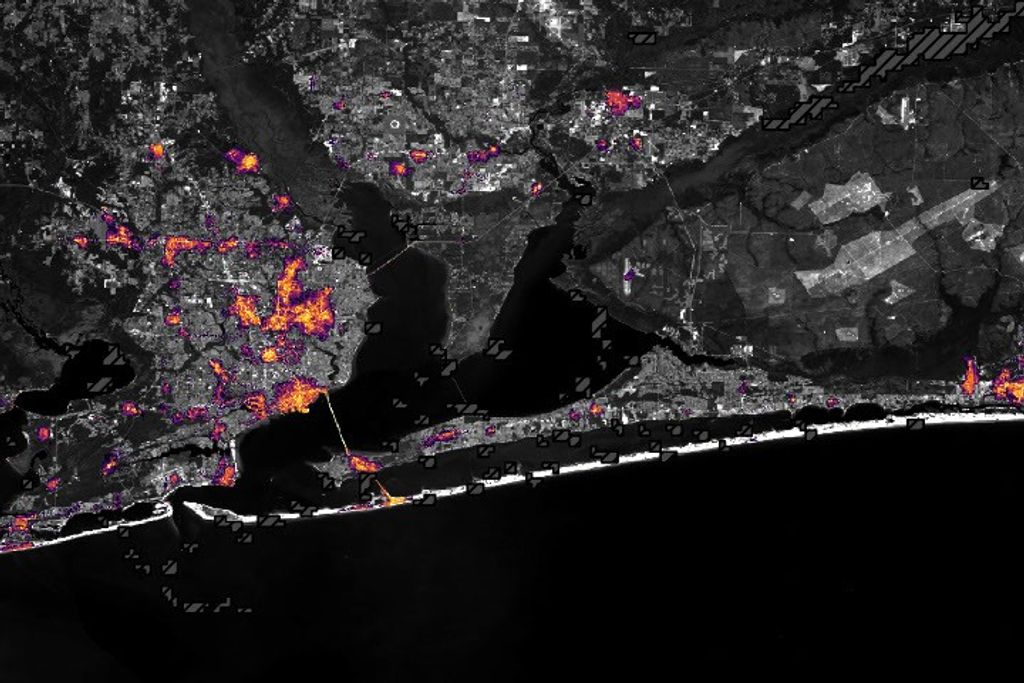
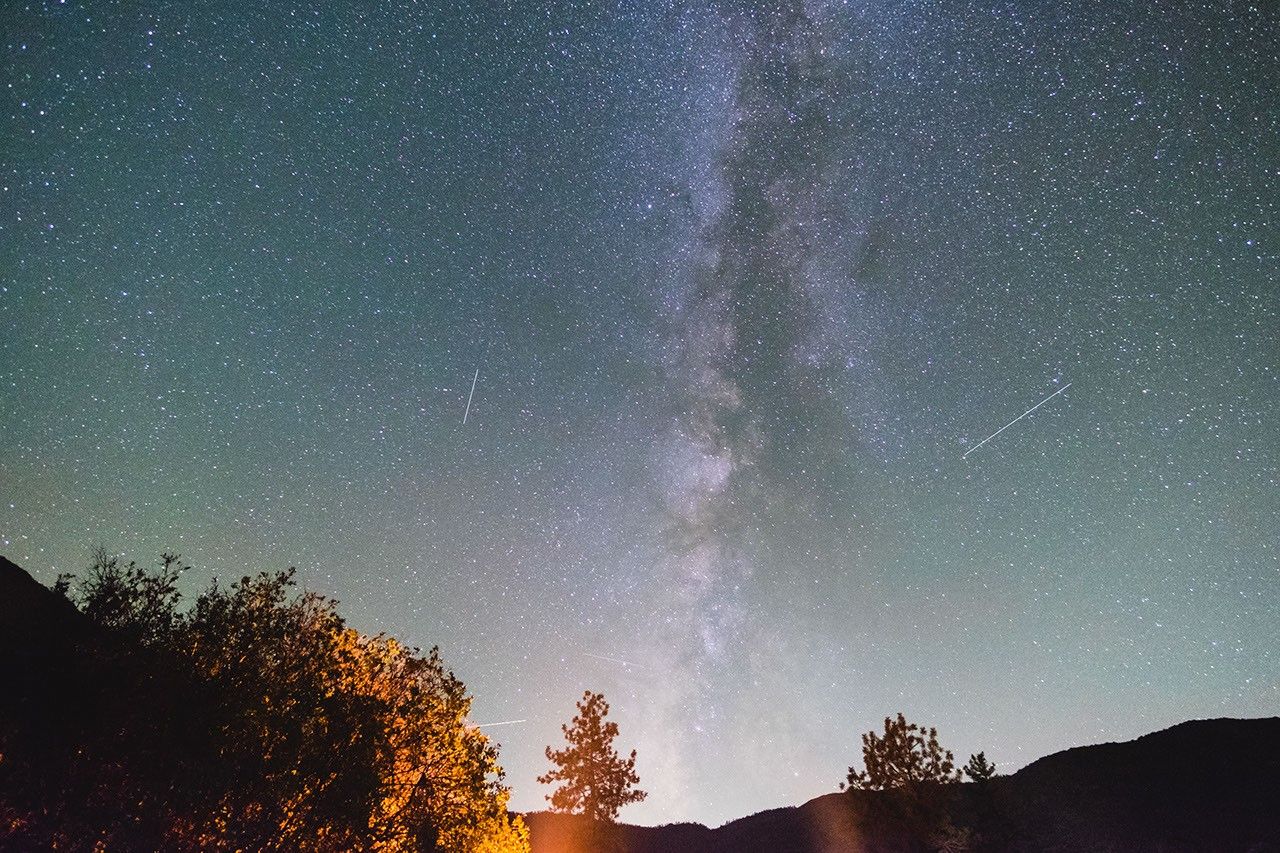
Registration is open for the 2026 NASA Space Apps Challenge, a two-day global event on Saturday, Nov. 14 and Sunday, Nov. 15, where teams work to create solutions inspired by the agency’s most ambitious exploration goals and making use of the agency’s free and open data.
Register Now about NASA Space Apps Challenge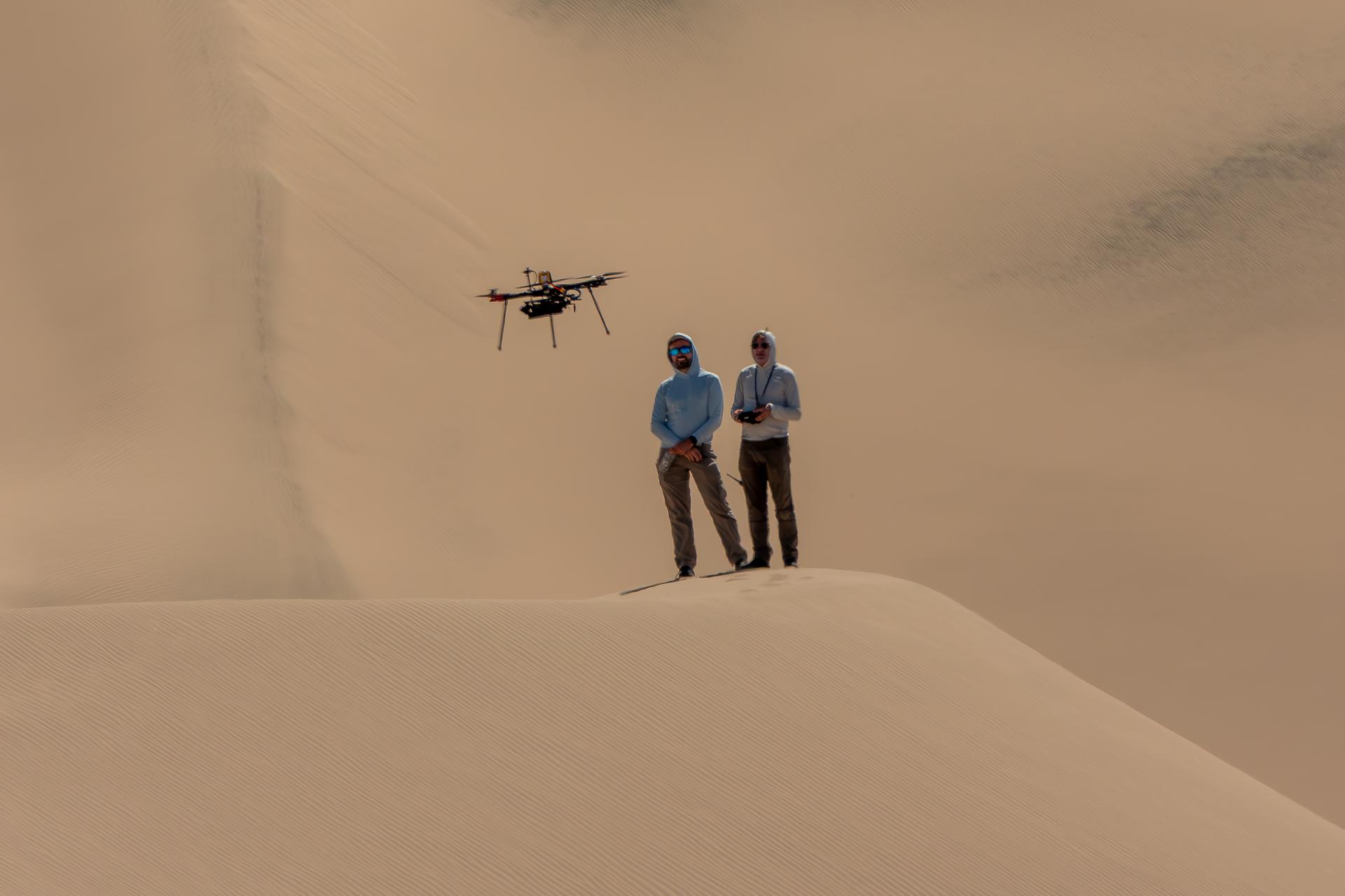
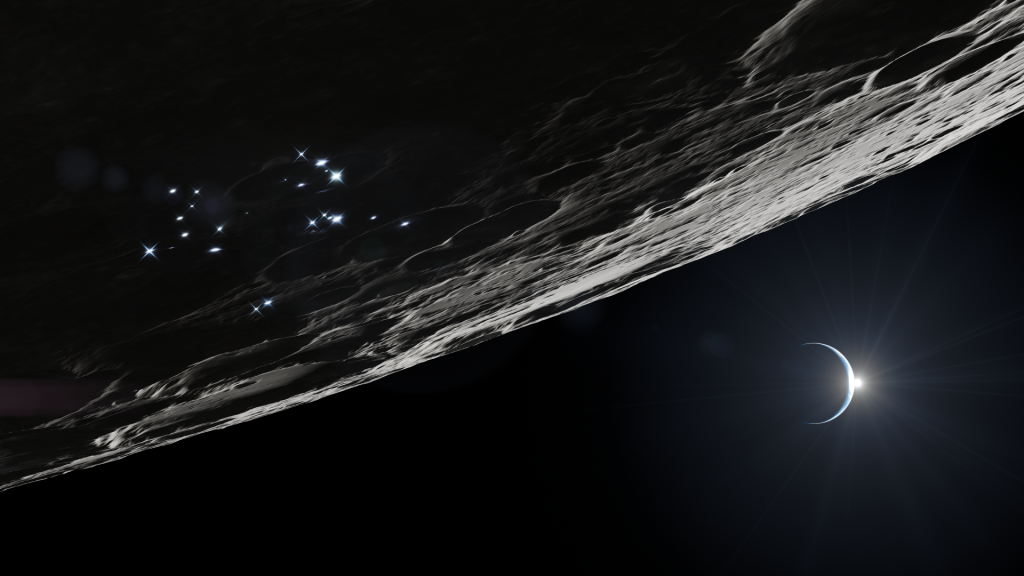
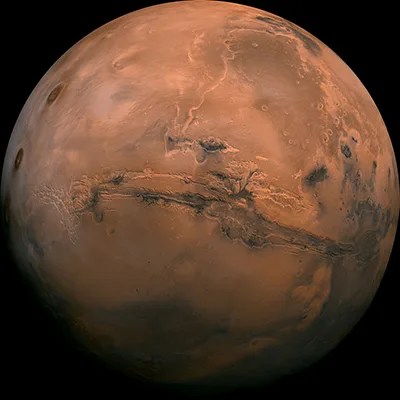
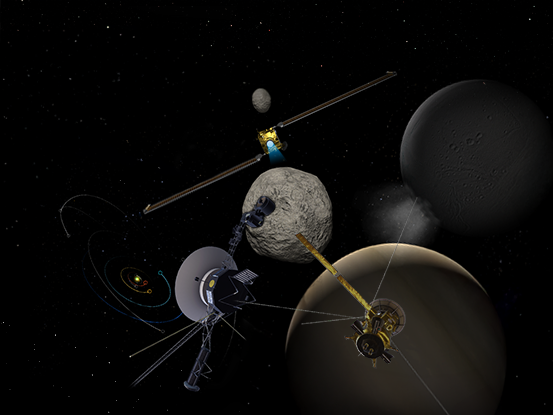
Solar System Exploration

Today
Image Of The Day
Artemis II Heat Shield After Splashdown
Shortly after Artemis II splashdown on April 10, 2026, U.S. Navy divers captured underwater imagery of the Orion spacecraft’s heat shield.

More NASA Images

Explore the Universe from your Inbox
Stay up-to-date on the latest news from NASA–from Earth to the Moon, the Solar System and beyond.
We will never share your email address.
Two-Day Aerospace Festival
MAX POWER
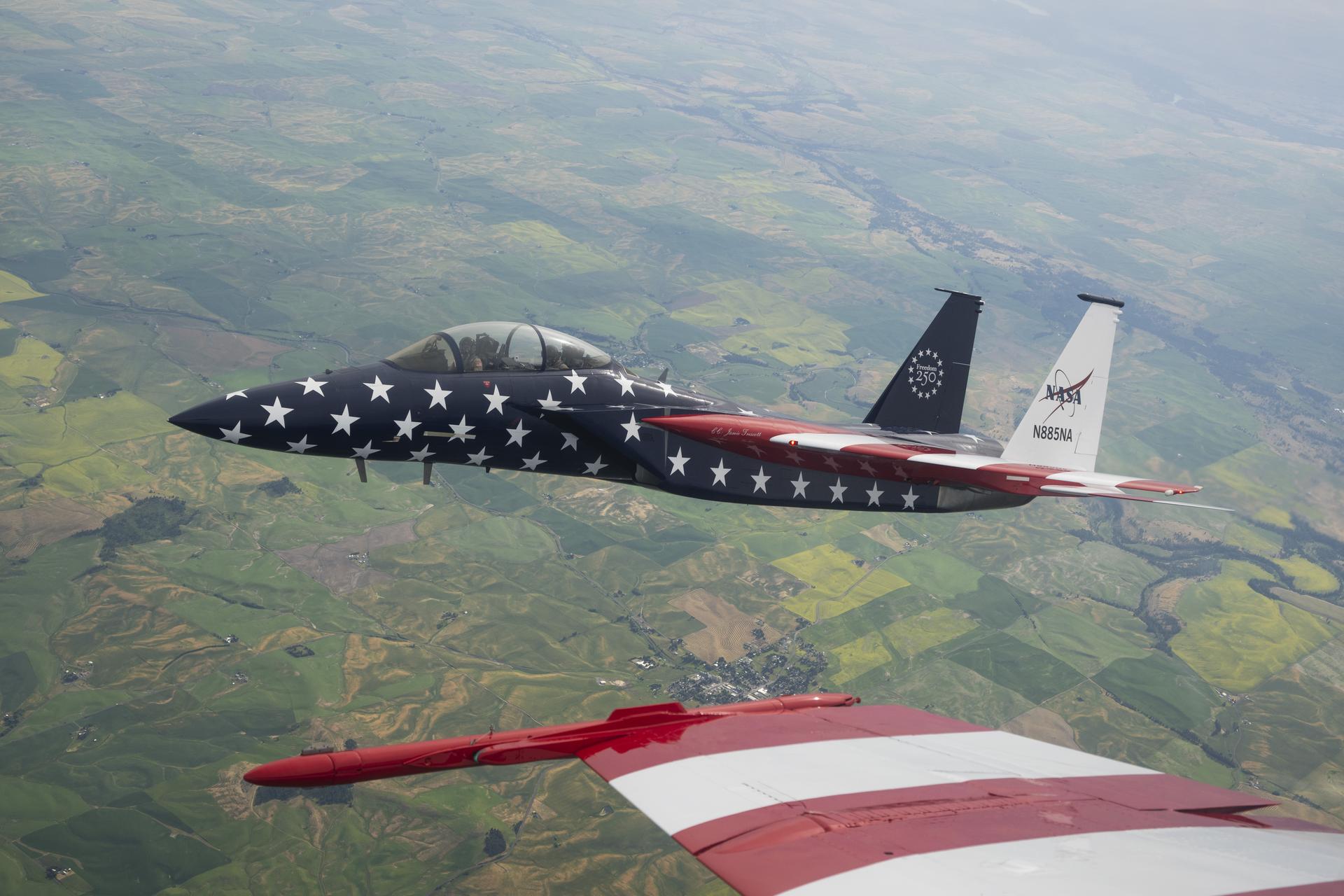
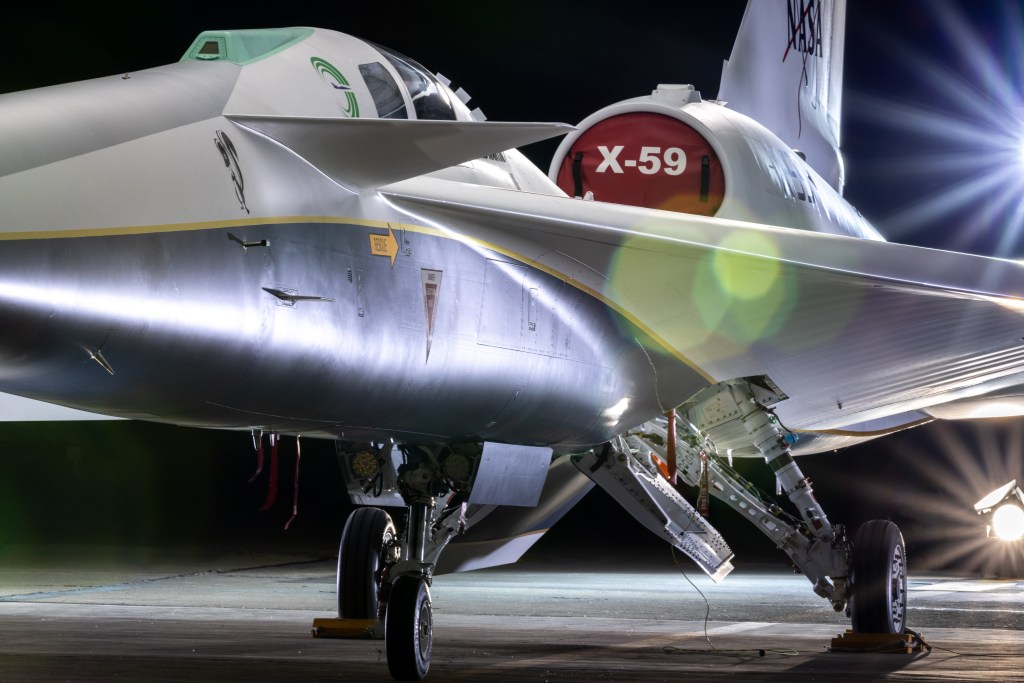
Celebrate the spirit of American innovation at MAX POWER—an exposition of air and space technologies at Kennedy Space Center in Florida, Nov. 7-8.
The two-day event will feature immersive experiences for all ages to enjoy, including air shows, technology demonstrations, spaceflight hardware, military aircraft, and behind‑the‑scenes access to America’s spaceport.
In collaboration with Air Dot Show, UP Summit, Space Florida, Delaware North, and Purpose Entertainment, MAX POWER blends history, exploration, and the cutting edge of aerospace into an unforgettable experience.