






NASA's free "Earth-Now" Apple and Android app immerses users in dazzling visualizations of near-real-time global climate data from NASA's fleet of Earth science satellites.

Fly alongside NASA's Earth-observing satellite fleet in this interactive.
NASA's 2013 HS3 mission will investigate whether Saharan dust and its associated warm and dry air, known as the Saharan Air Layer favors or suppresses the development of tropical cyclones.
Landsat 8 is operational and producing more than 400 images per day, adding to the deep archive collected since 1972.
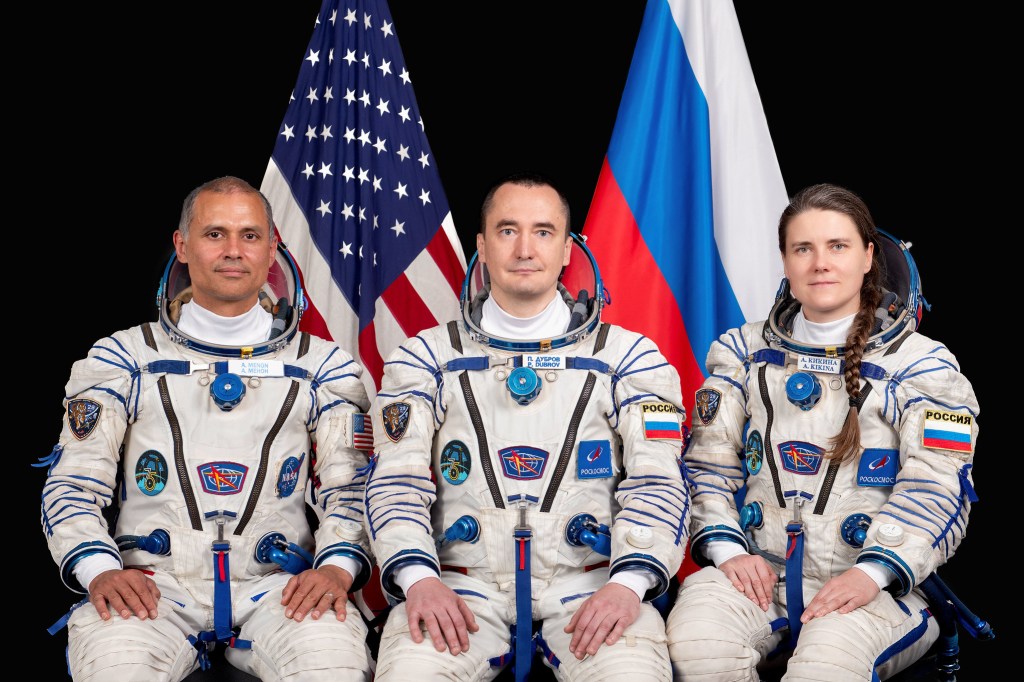
Astronaut Dan Burbank recently returned to the Kennedy Space Center and spoke about his experiences during five months aboard the International Space Station.
The early start of the 2013 season appears to be caused by a change in atmospheric “teleconnections,” connections between different layers of the atmosphere that operate over great distances.
Using an innovative satellite technique, NASA scientists have determined that a previously unmapped type of wildfire in the Amazon rainforest is responsible for destroying several times more forest than has been lost through deforestation in recent years.
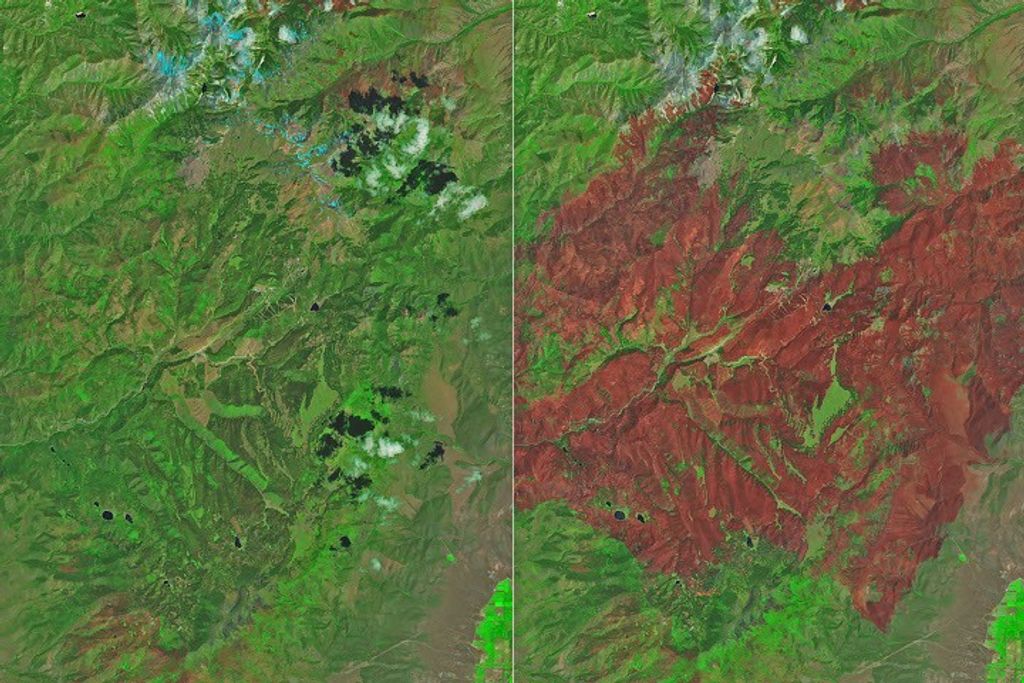
University and NASA researchers predict that the severity of the 2013 fire season will be considerably higher than in 2011 and 2012 for many Amazon forests in the Southern Hemisphere.
06.18.13 - NASA announced Tuesday a Grand Challenge focused on finding all asteroid threats to human populations and knowing what to do about them.
06.13.13 - Ocean waters melting the undersides of Antarctic ice shelves are responsible for most of the continent's ice shelf mass loss, a new study by NASA and university researchers has found.
06.06.13 - NASA aircraft will take to the skies over the southern United States this summer to investigate how air pollution and natural emissions, which are pushed high into the atmosphere by large storms, affect atmospheric composition and climate.
06.04.13 - NASA will host a media teleconference at 1 p.m. EDT, Thursday, June 6, to announce a new airborne science campaign over the southern United States. The campaign will investigate how air pollution and natural emissions affect climate and the atmosphere.
Read the latest issue of The Earth Observer, a bimonthly publication that consolidates NASA Earth science news. The EOS Project Science Office publishes the newsletter. (Issue archive here.)
Thermal infrared imagery of the Southern California desert picks up the invisible water in the farmland around the Salton Sea.