Stars and Stripes in Flight
In the Driver's Seat
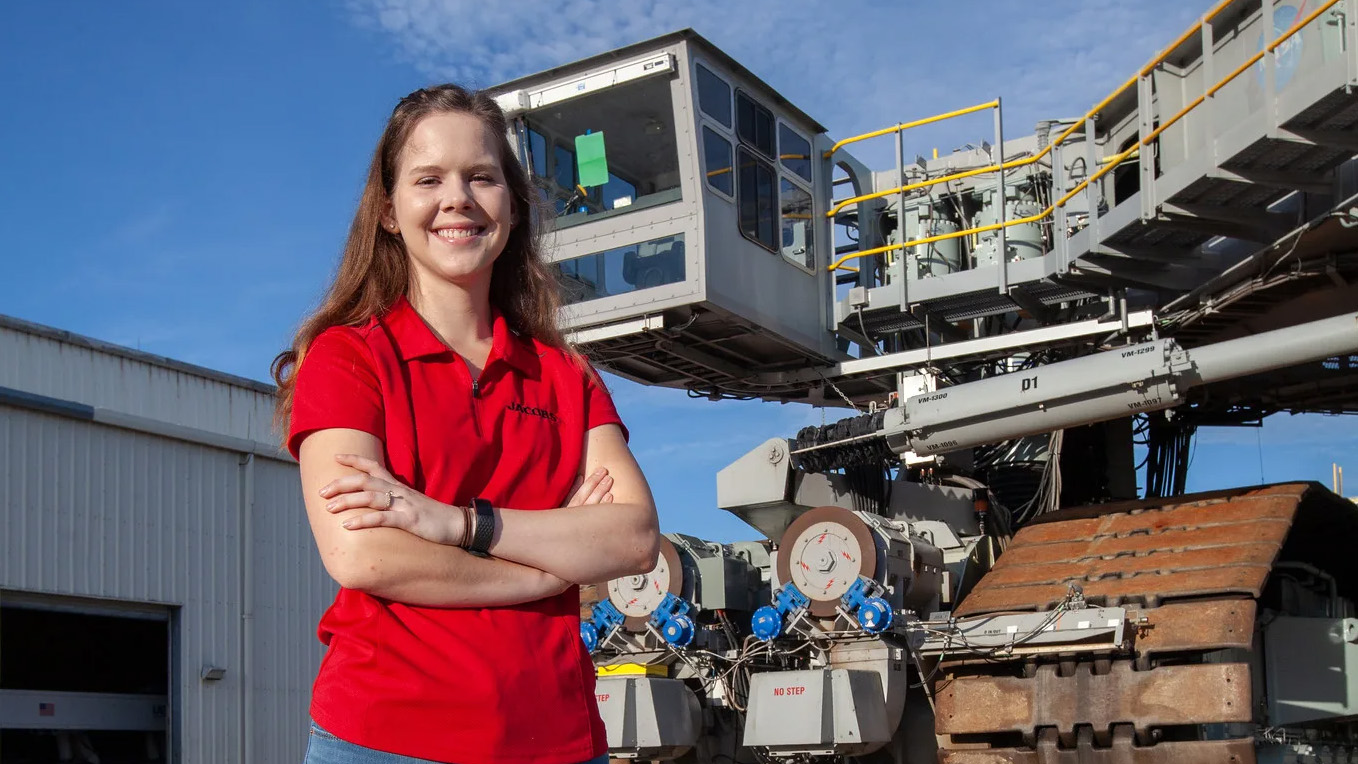
How do you get the 18-million-pound Space Launch System rocket to the launch pad? Very slowly on top of a special vehicle called the crawler! Breanne Stichler is one of the crawler drivers. When the Artemis II mission is ready to launch, she will help get the rocket to the launch pad. It takes the crawler at least eight hours to make the four-mile journey.

Safety First
New Wheels for the Moon
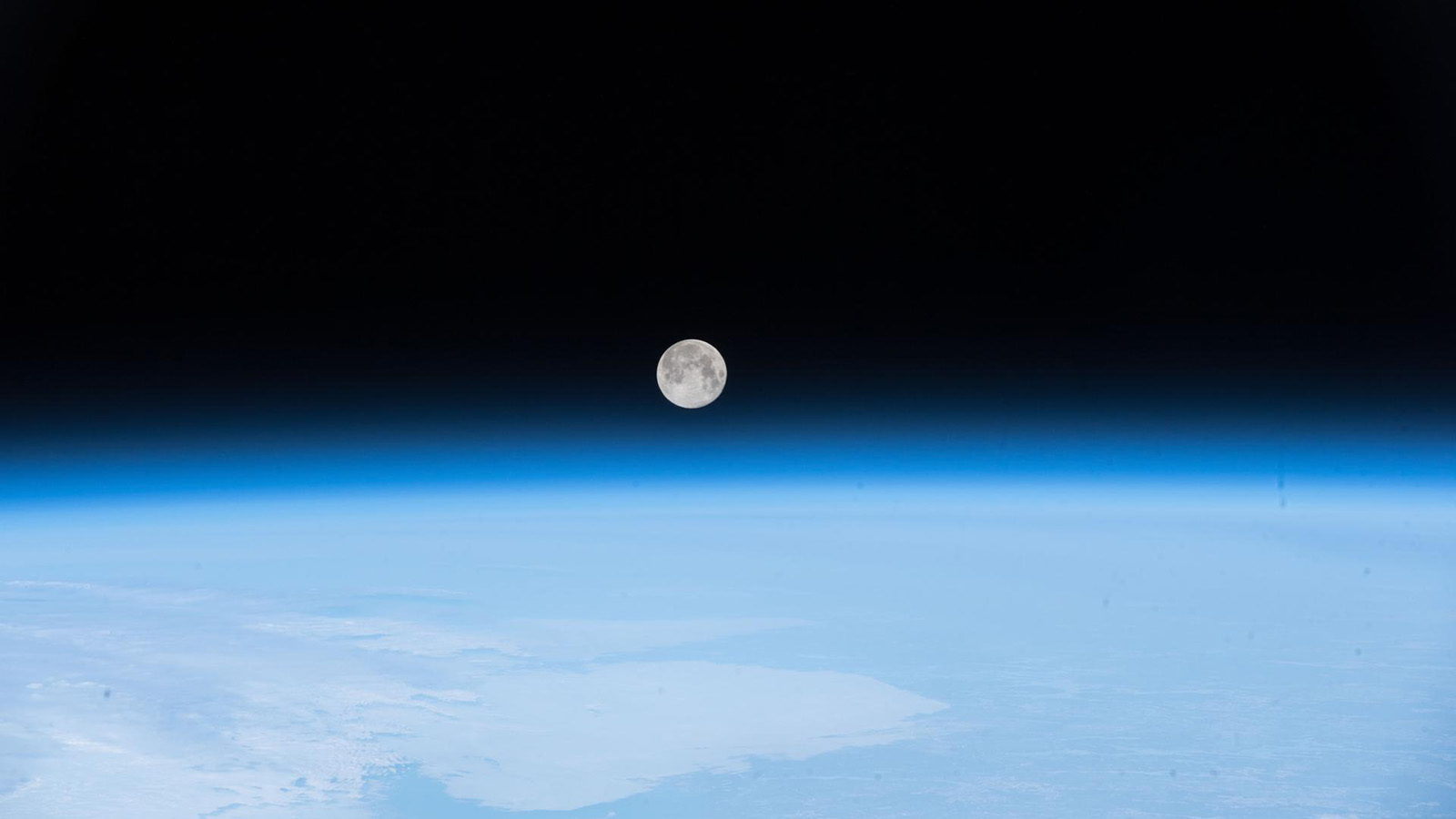
We Are Going Forward to the Moon
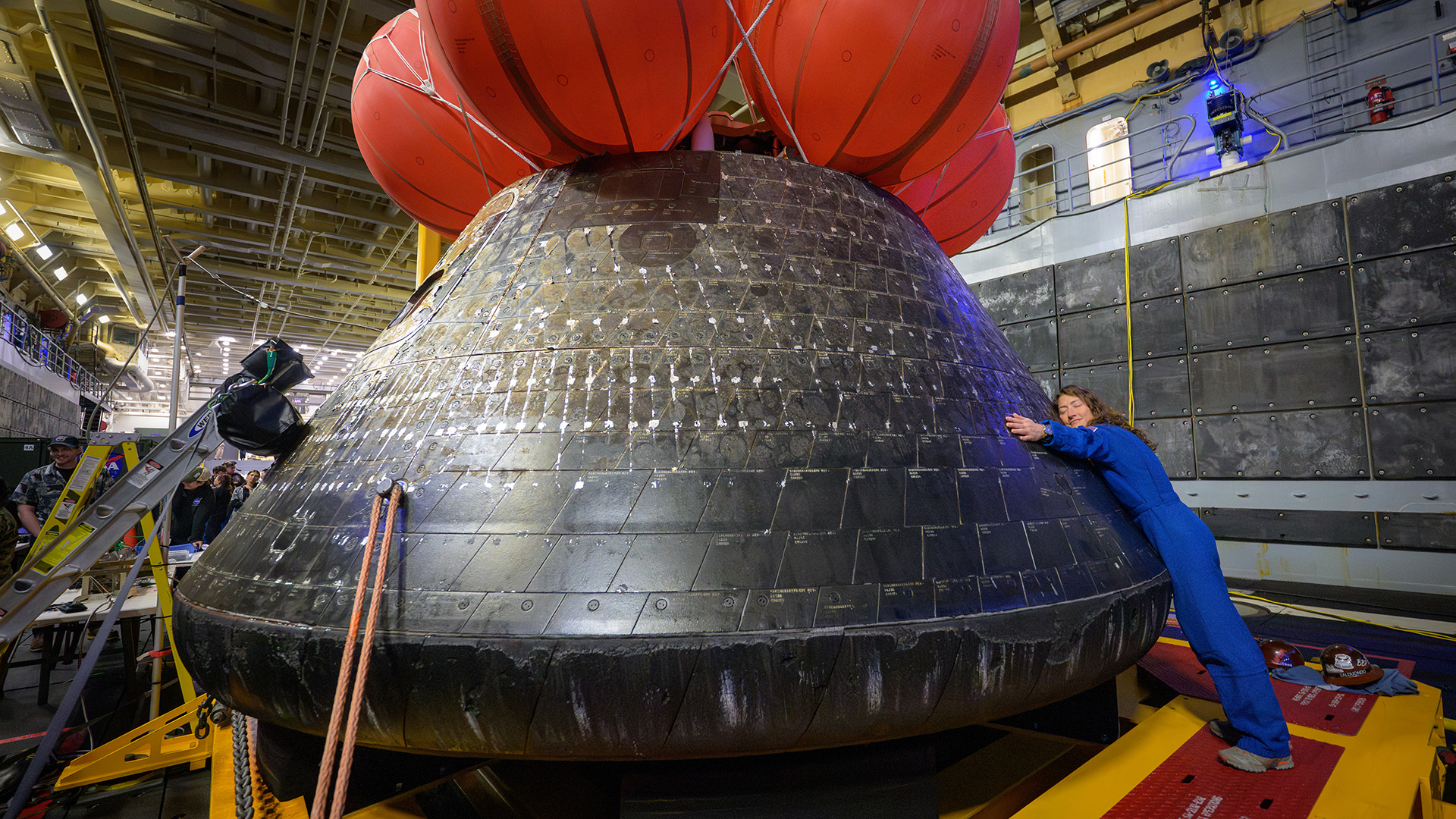
Big Hug
After their journey around the Moon, the Artemis II crew splashed down in the Pacific Ocean near California. A big ship picked them up. It picked up their Orion space capsule, too. Astronaut Christina Koch gave Orion a hug after the safe landing.
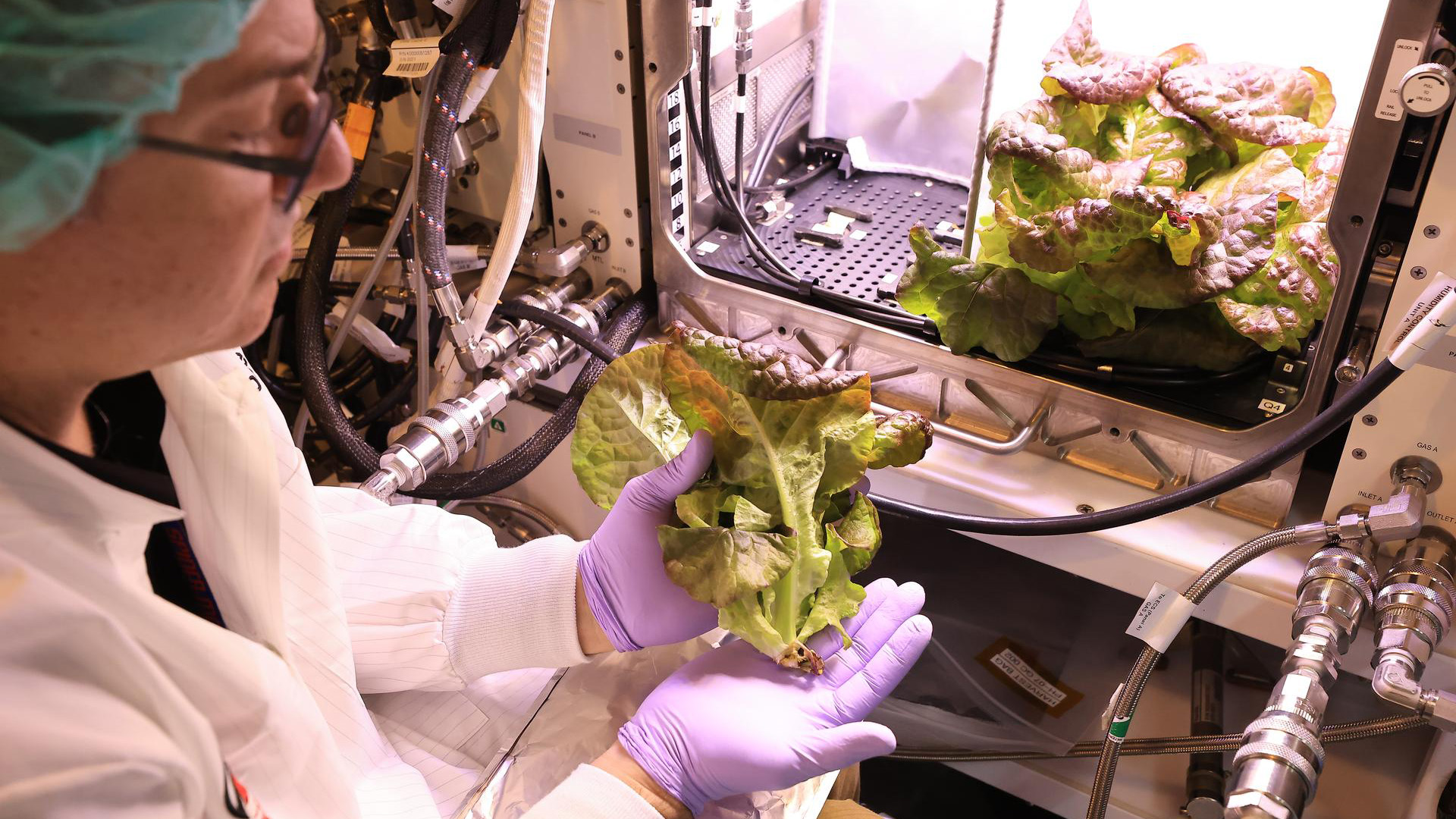
Space Salad

Long Nose, Less Noise

Orion Float Test
This is a full-size model of the Orion spacecraft. NASA used it for testing in the Pacific Ocean. Teams practiced what they will do when the Artemis II mission returns to Earth. That mission will carry astronauts around the Moon and back.
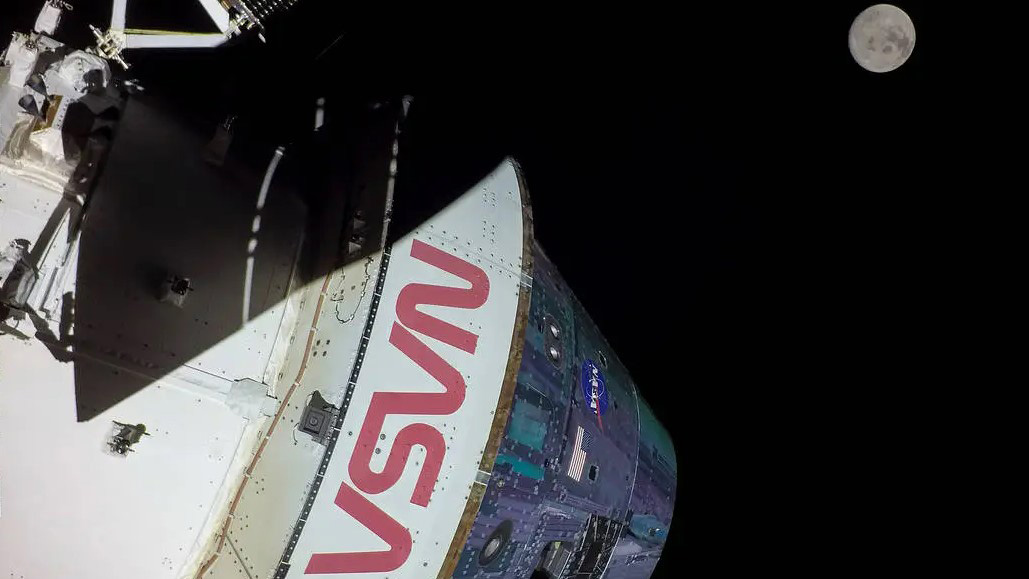
Orion

Floating Fresh Food
Test Pilot Pre-Check

Sweet Treat
Here, Kitty, Kitty
Supersonic Selfie
Soccer in Space
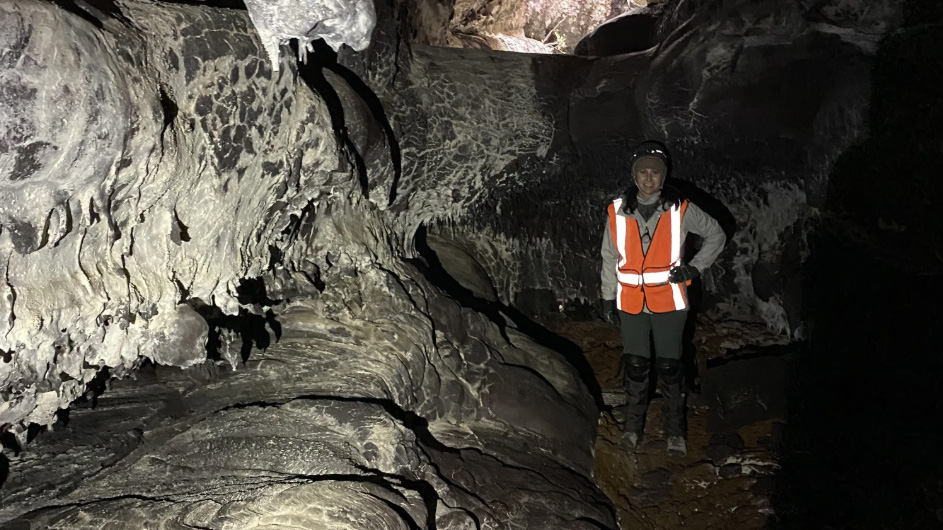
Exploring a Lava Tube
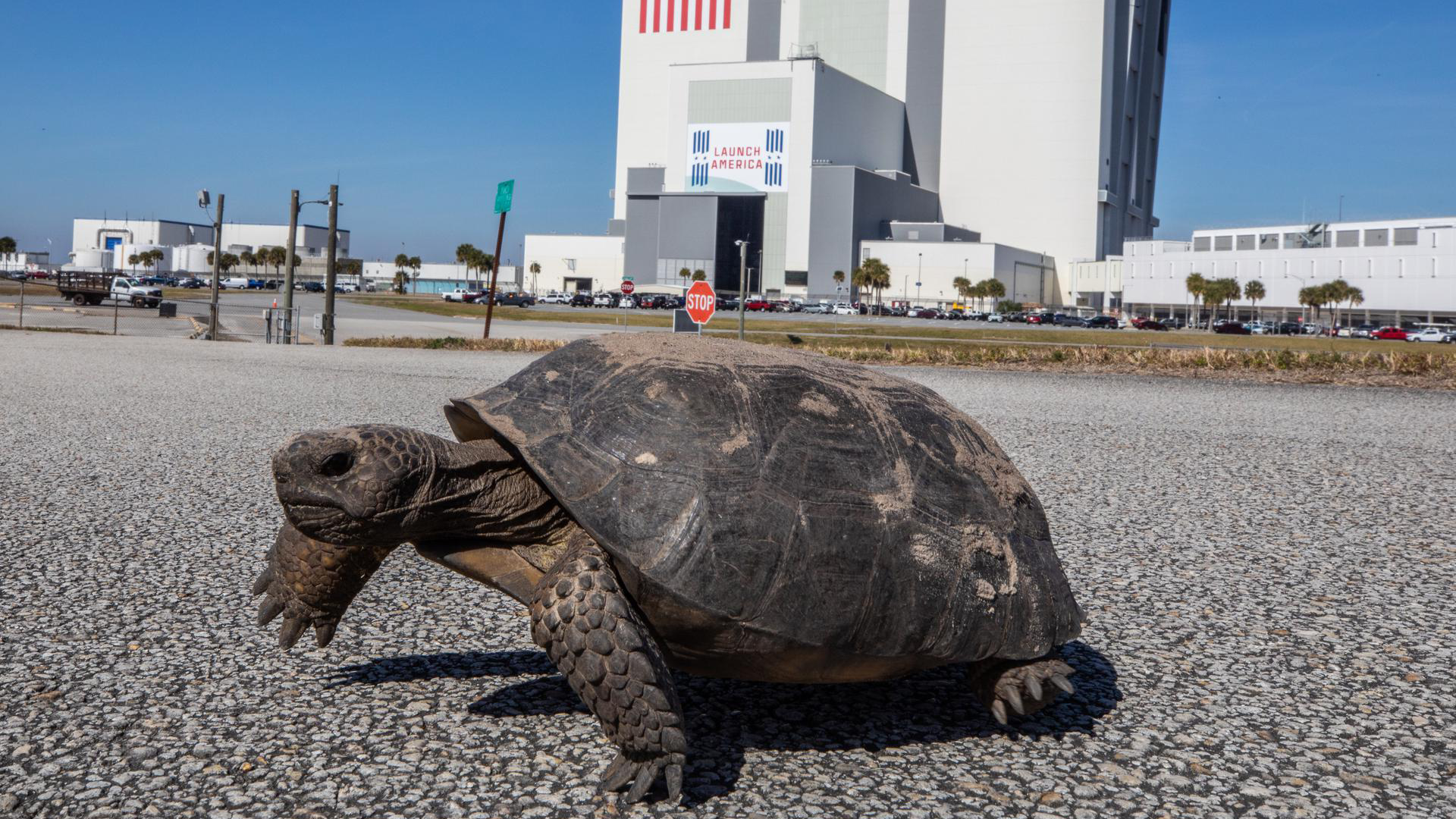
Tortoise Takes a Walk
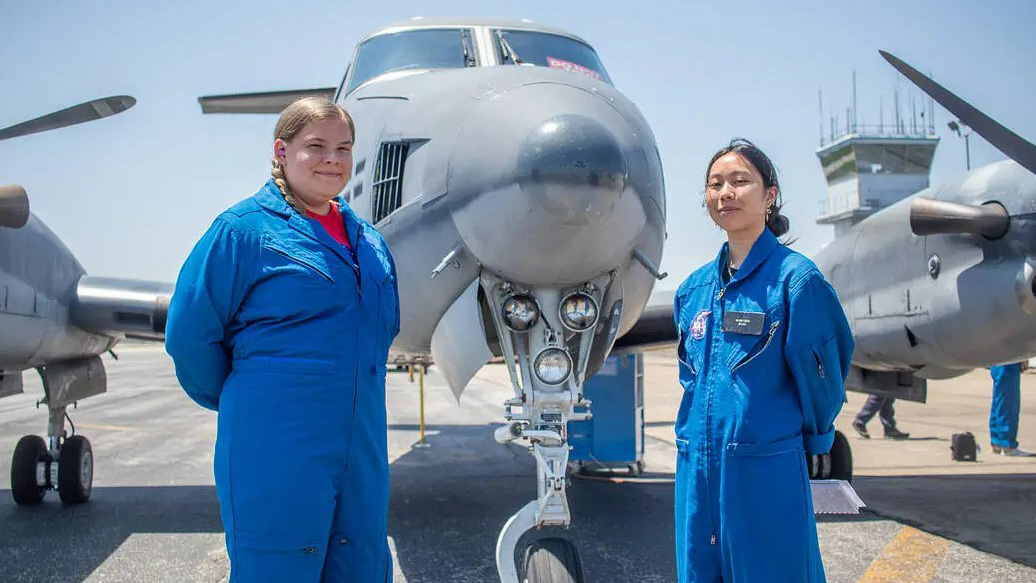
Interns Flying High
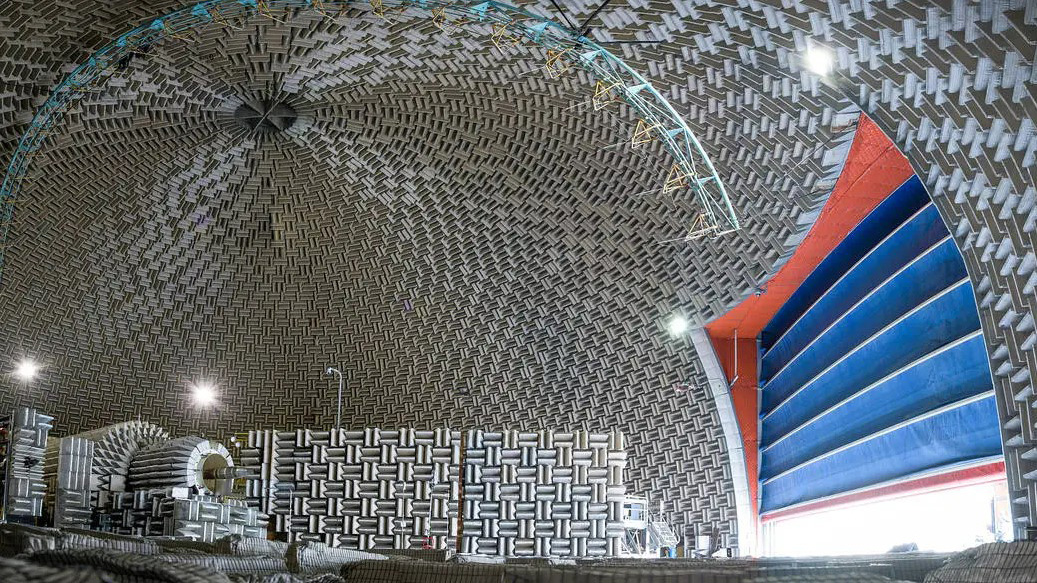
Quiet Dome

Artemis Eclipse
When the Artemis II astronauts flew by the Moon, they saw a very special solar eclipse. The Moon passed between the Orion capsule and the Sun. The astronauts were the only people to see this eclipse.
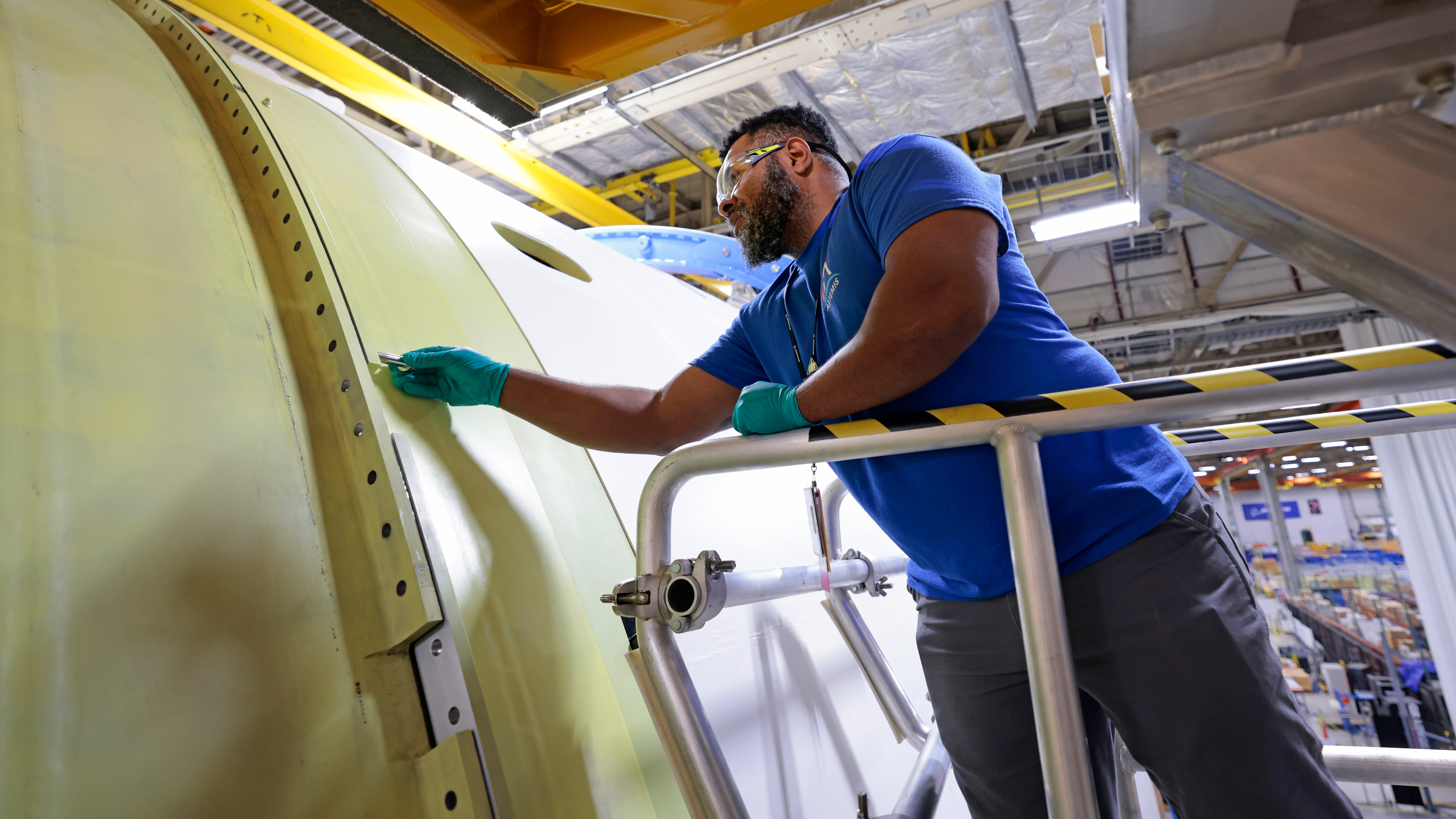
Rocket Construction
Putting together the pieces of a giant rocket is no easy task! This technician at NASA’s Michoud Assembly Facility in New Orleans is making sure the connection is just right. This is where the engine section connects to the rest of the Space Launch System rocket. This rocket will launch astronauts on a mission around the Moon on Artemis II.
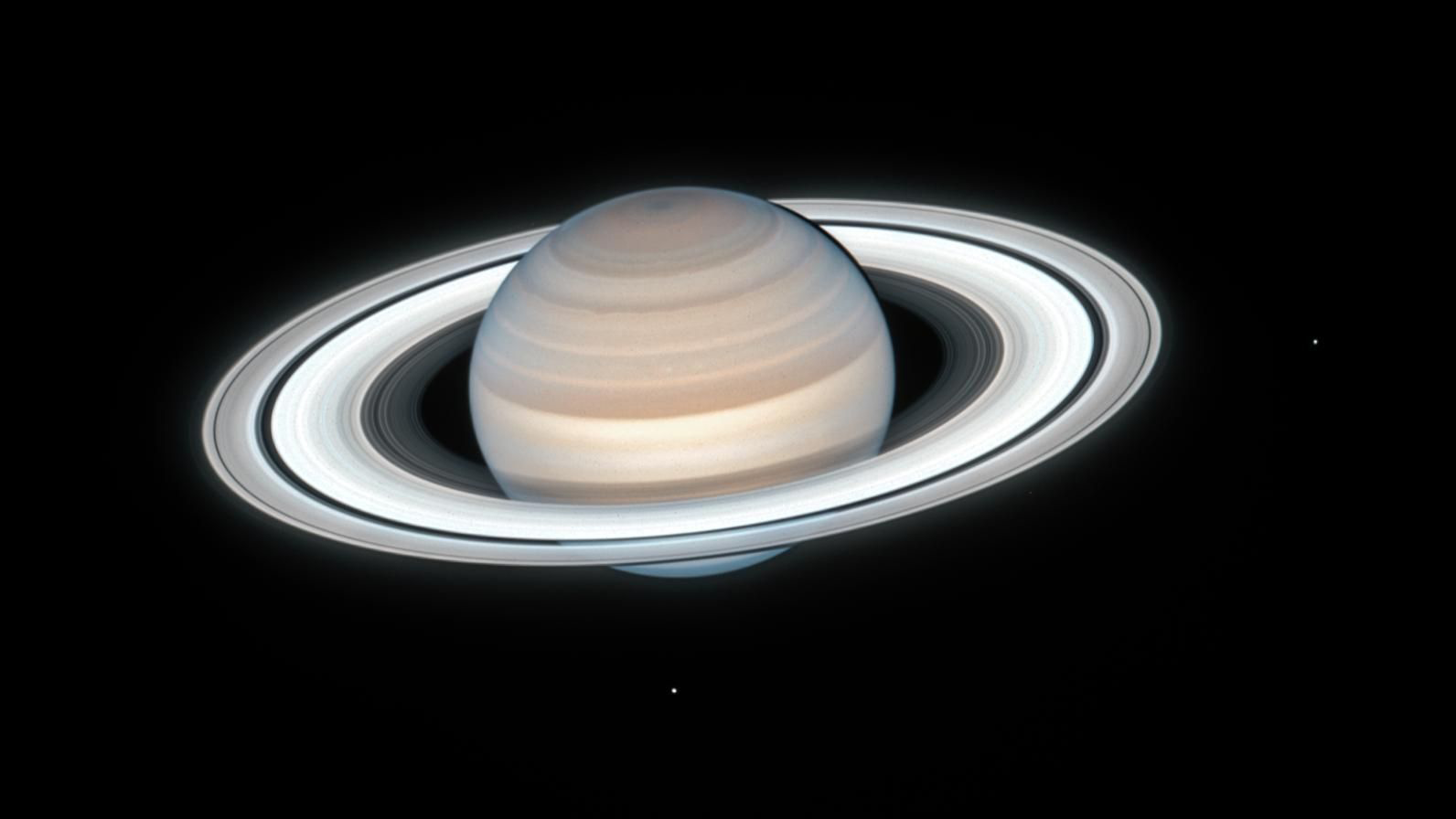
Spotlight on Saturn
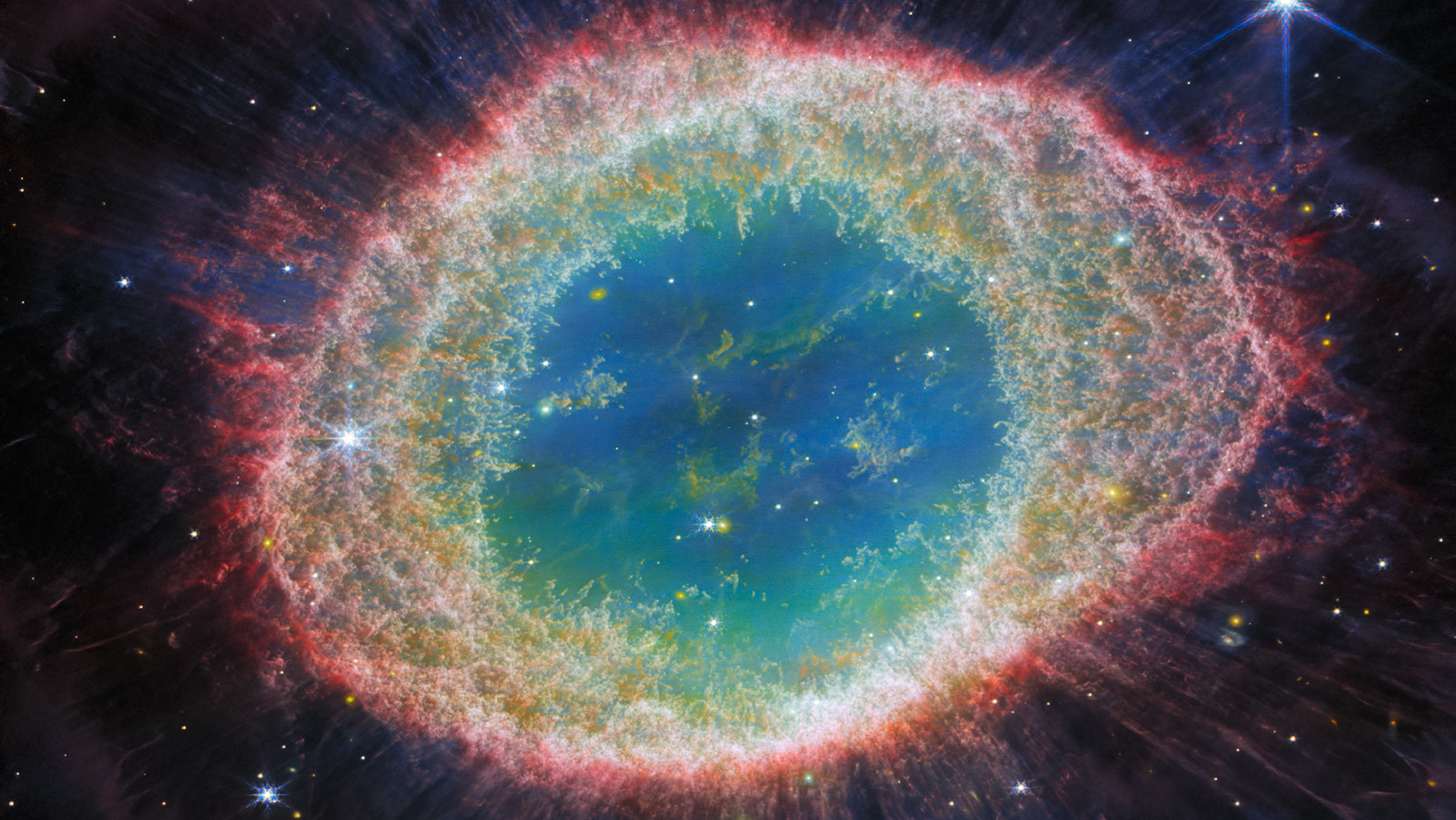
Ring Nebula
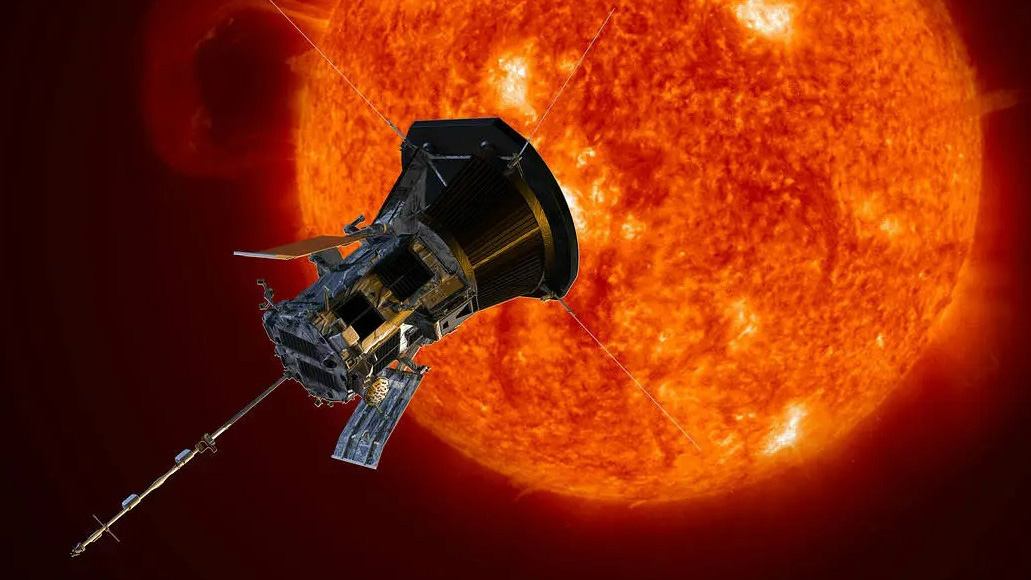
Mission to "Touch the Sun"
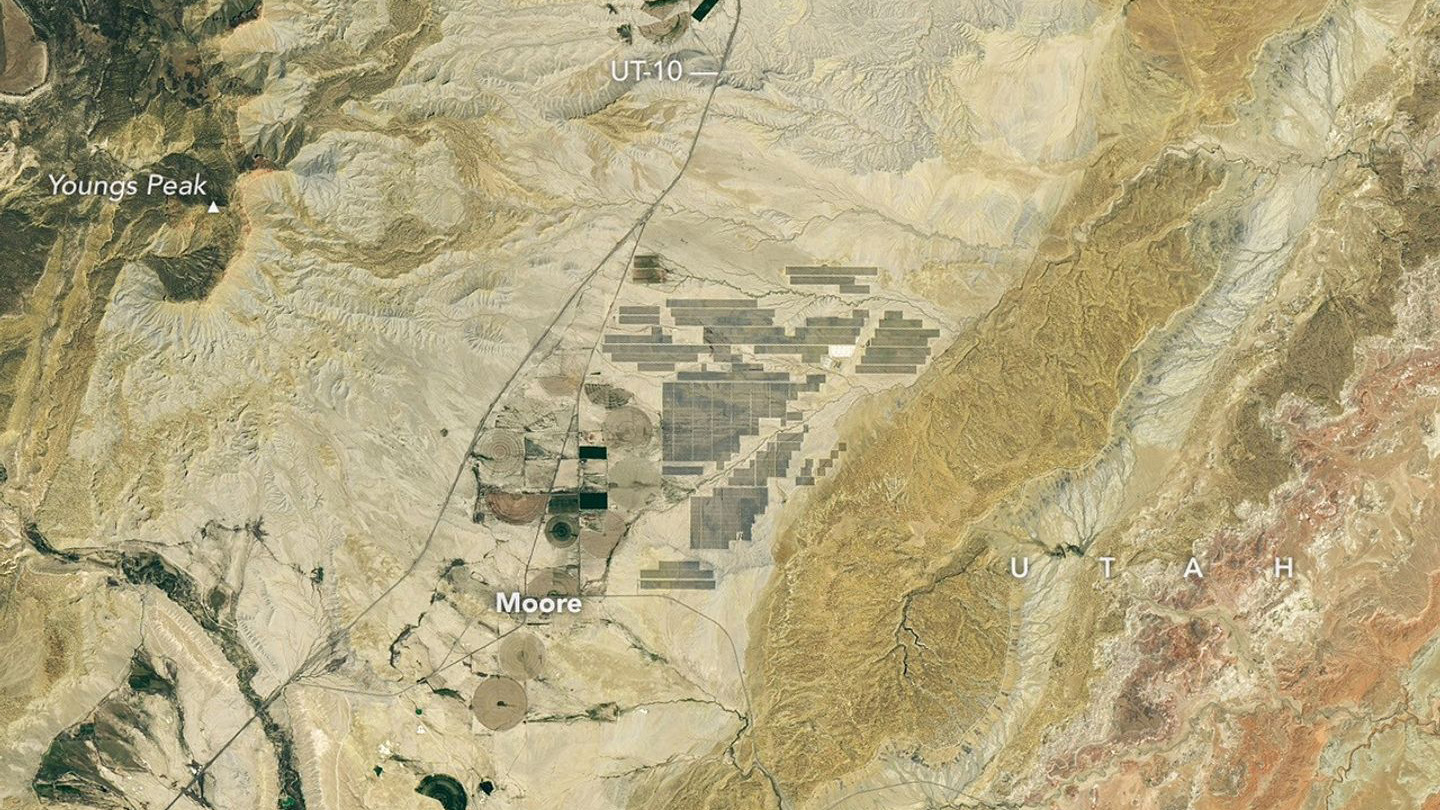
Solar Panel Power
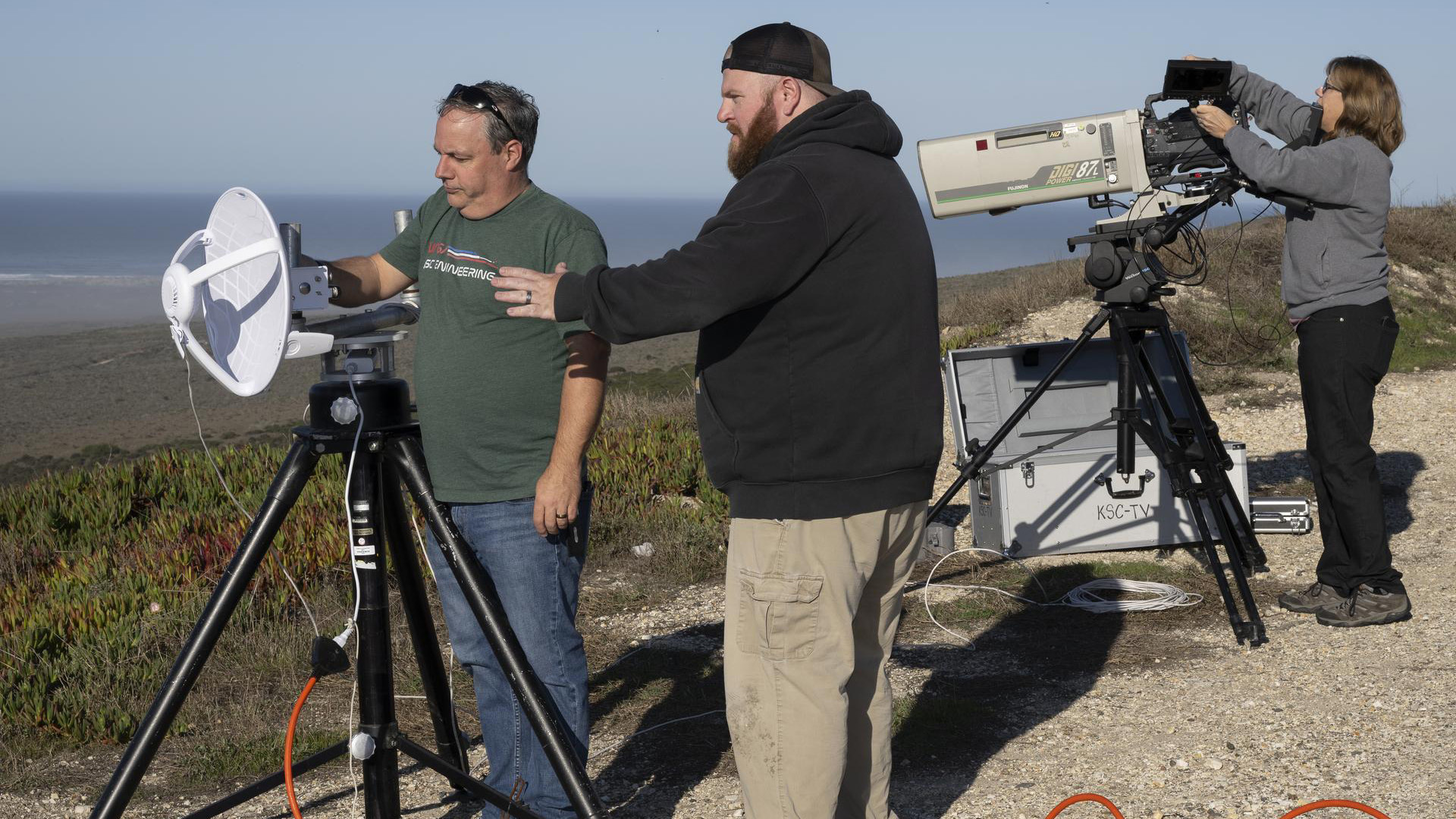
Lights, Camera, Action!
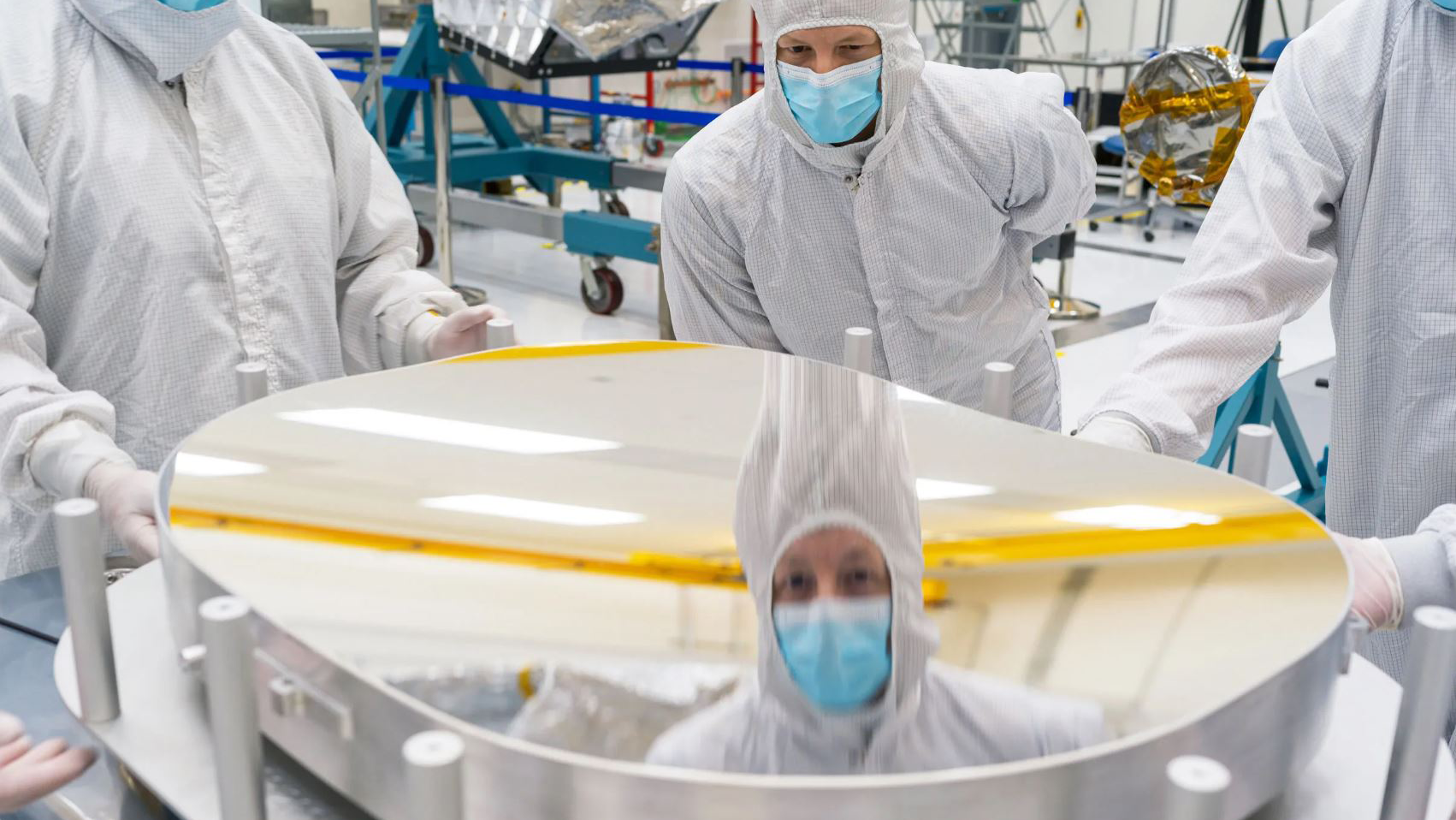
Mirror, Mirror
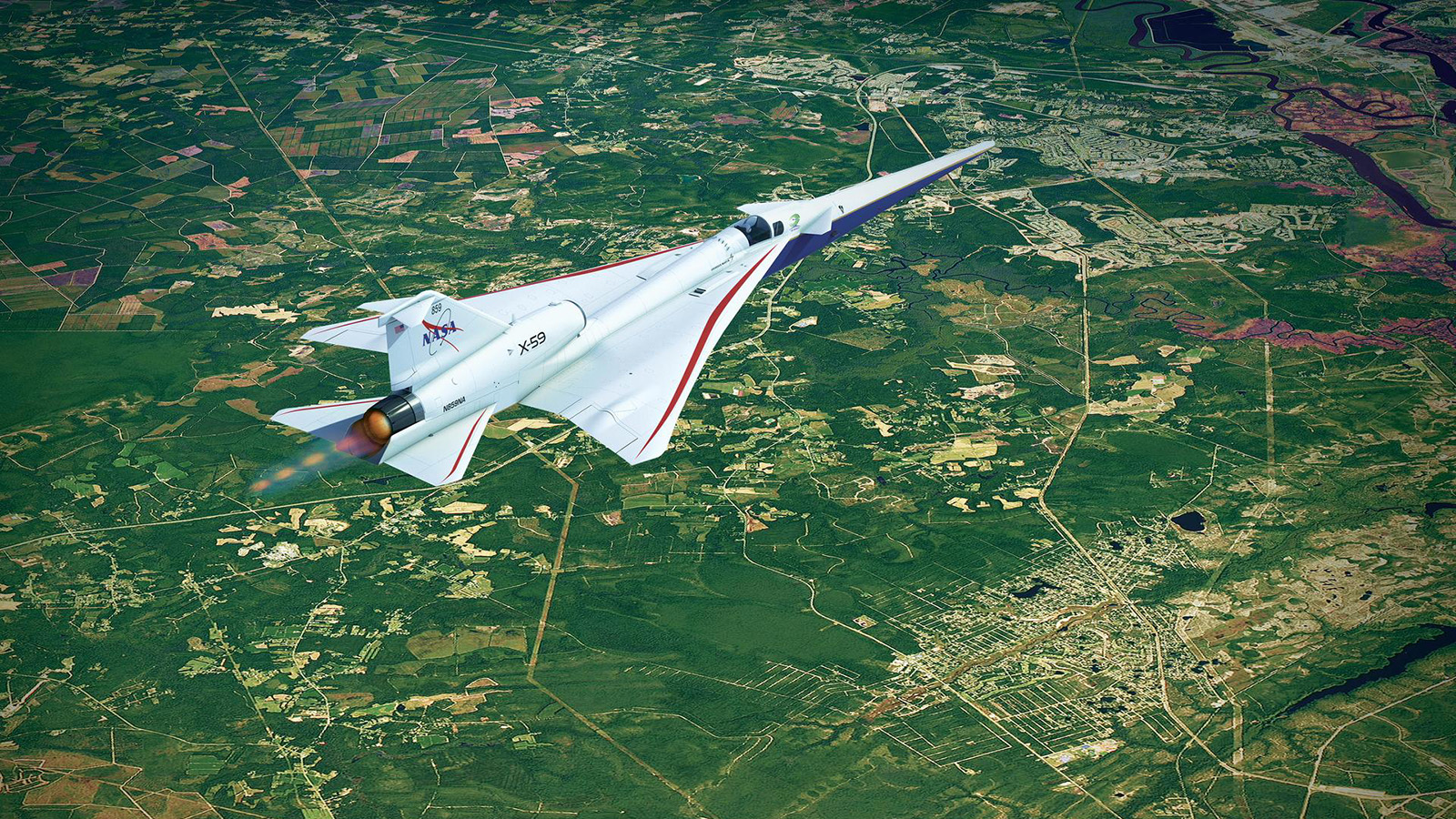
Fast and Quiet

Space Jam
Meet Integrity
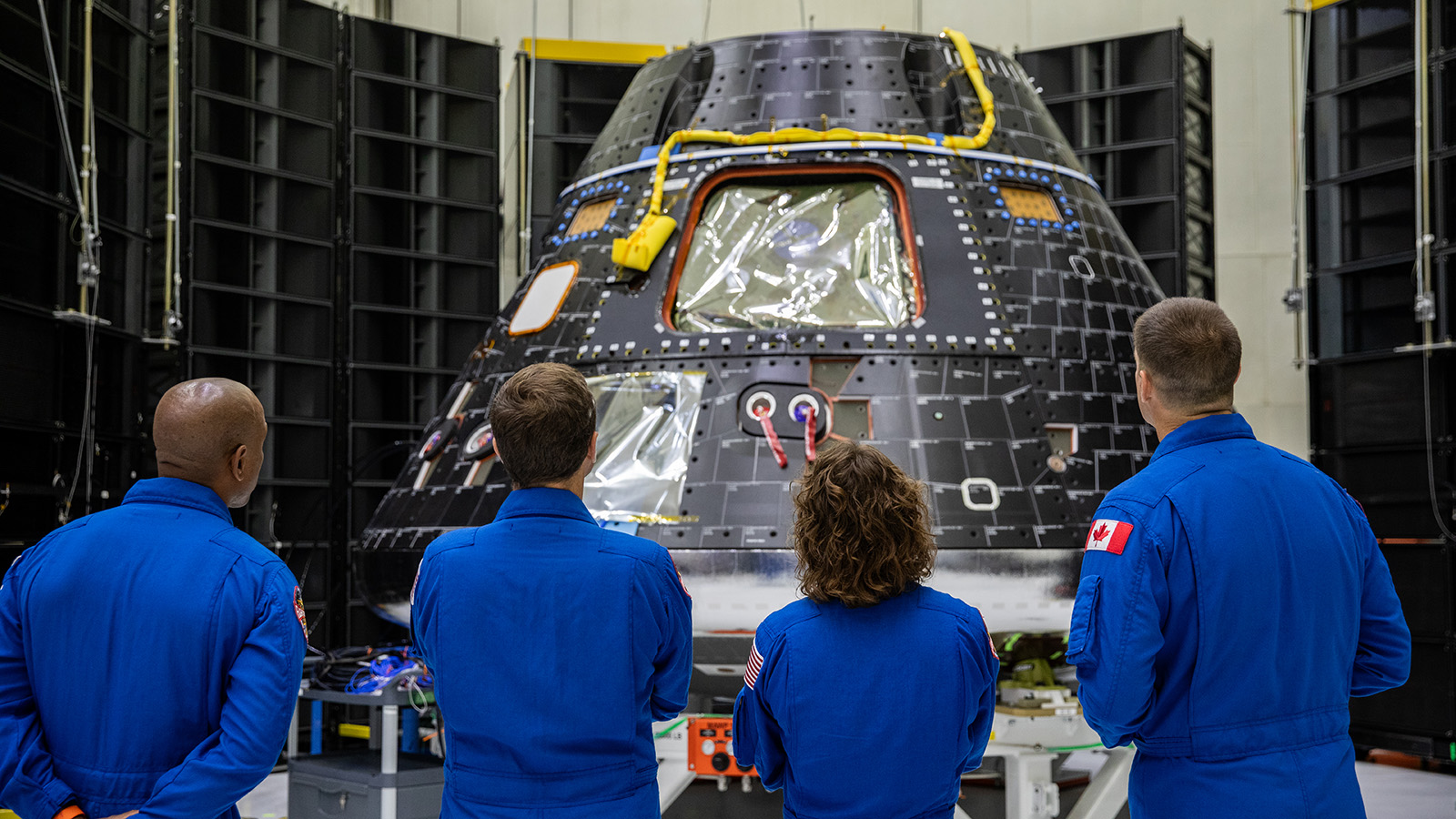
When the Artemis II astronauts fly around the Moon, they will ride inside an Orion spacecraft. The crew named their Orion spacecraft Integrity. The name Integrity reminds them of all the hard work needed for their mission. Thousands of people from around the world worked together on Artemis II.
Lunar Rover Testing
From Arizona to Artemis
Artemis Astronauts
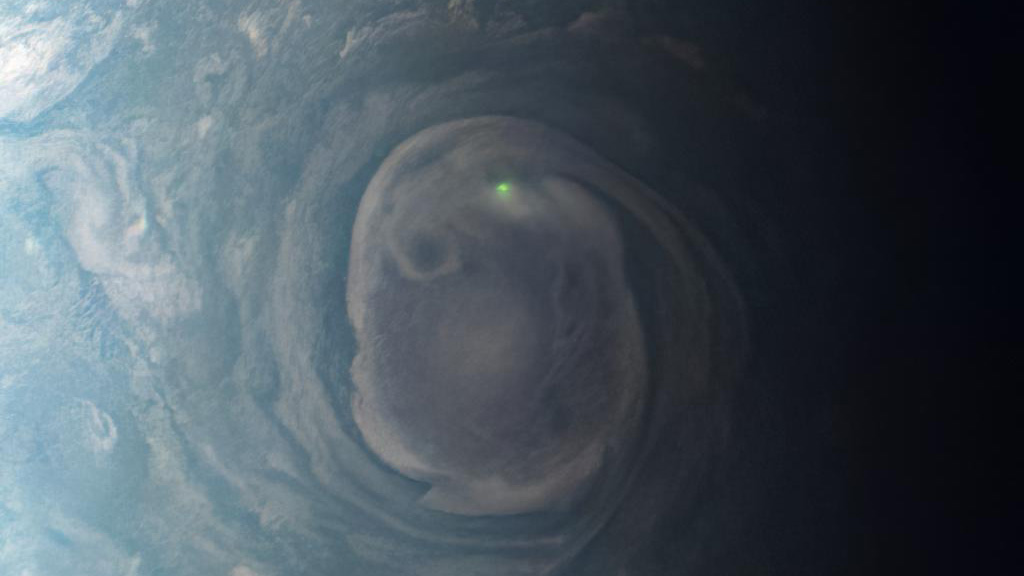
Lightning on Jupiter
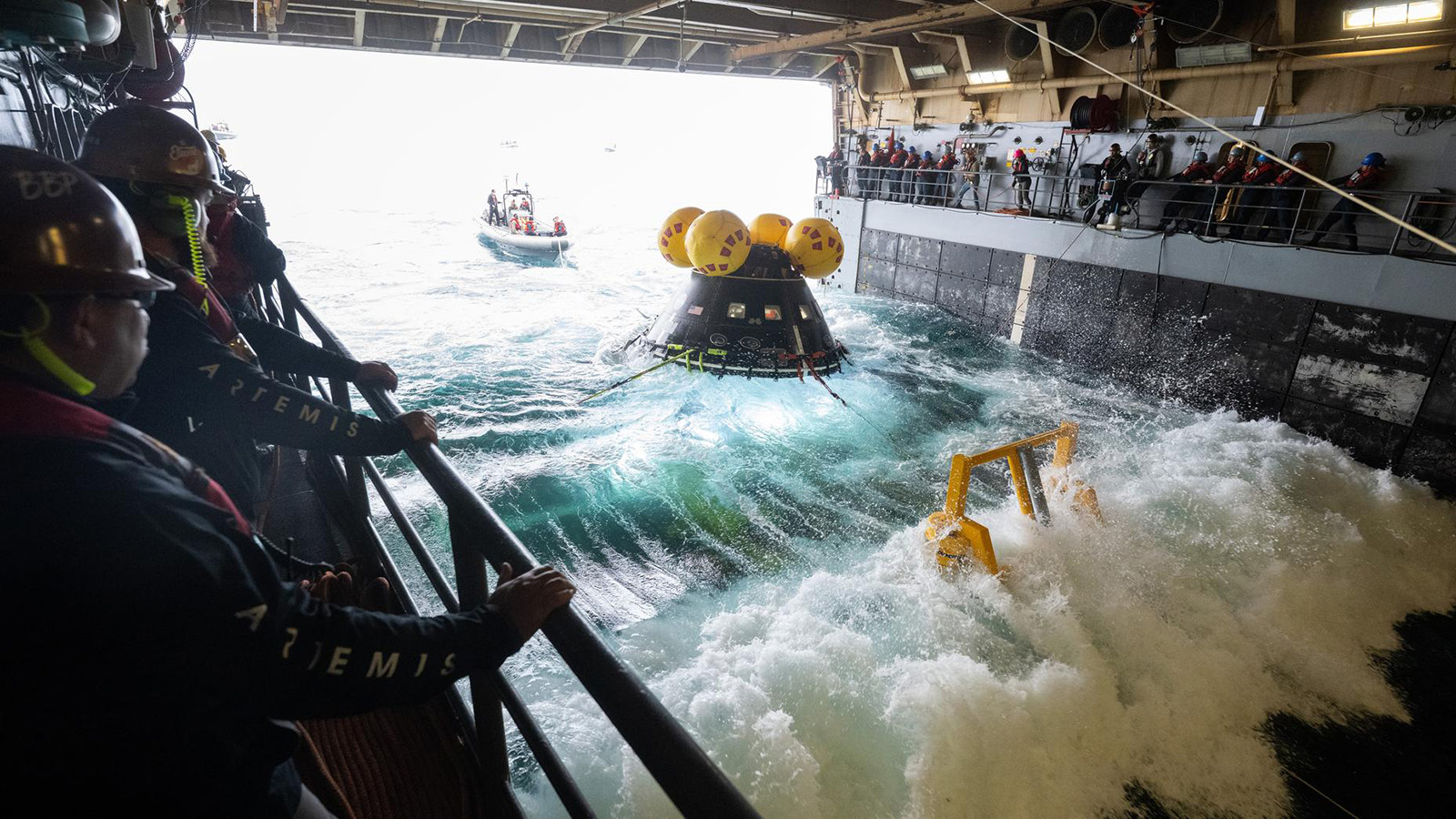
Catch a Wave
When the Artemis II crew returns to Earth, their Orion spacecraft will splash down in the Pacific Ocean near California. To get ready for the mission, the landing and recovery team practiced finding the capsule after landing. They pulled a full-scale replica of the Orion capsule onto a large boat to return it to shore.
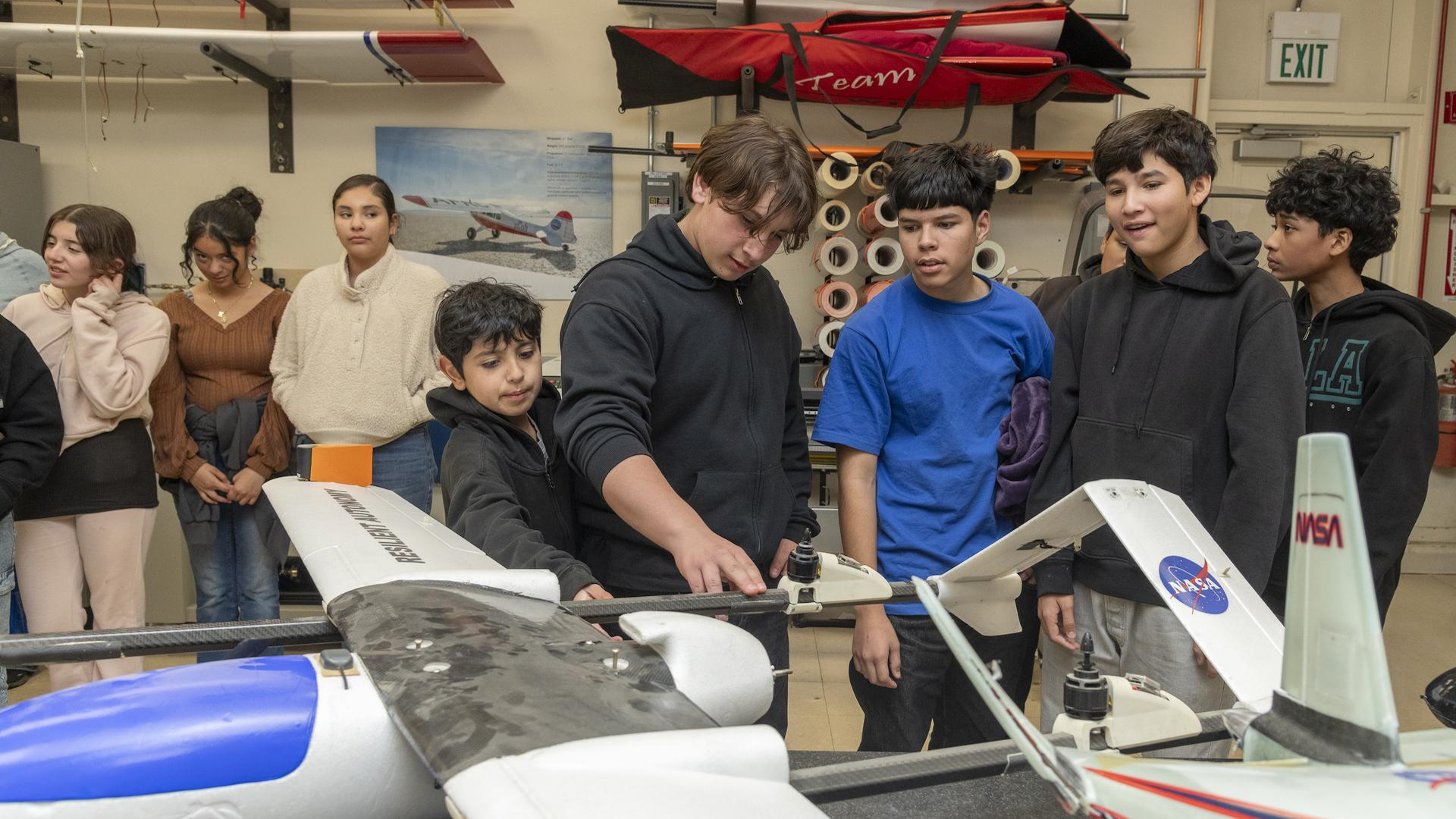
Airplane Show and Tell
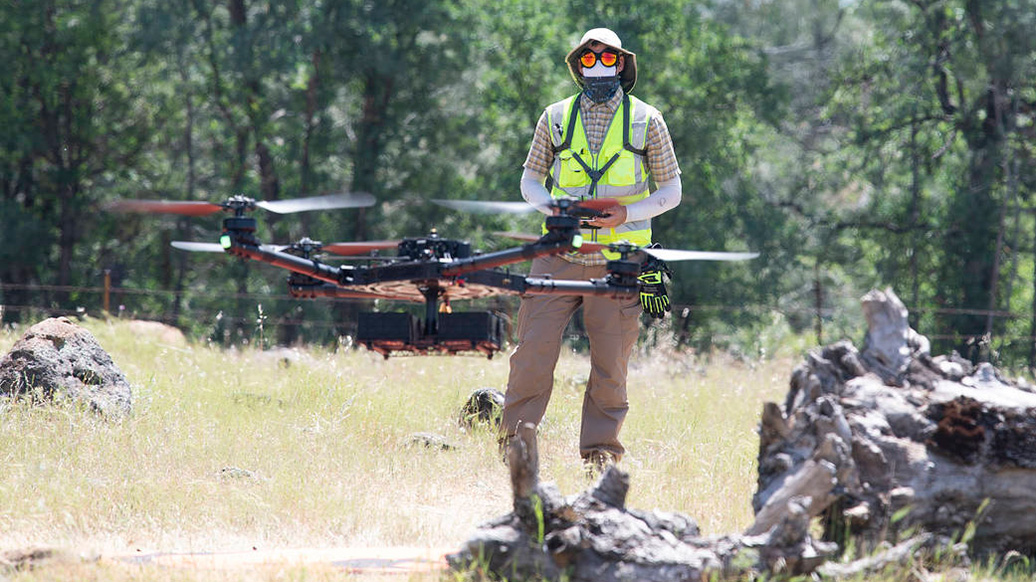
Fighting Wildfires With Drones
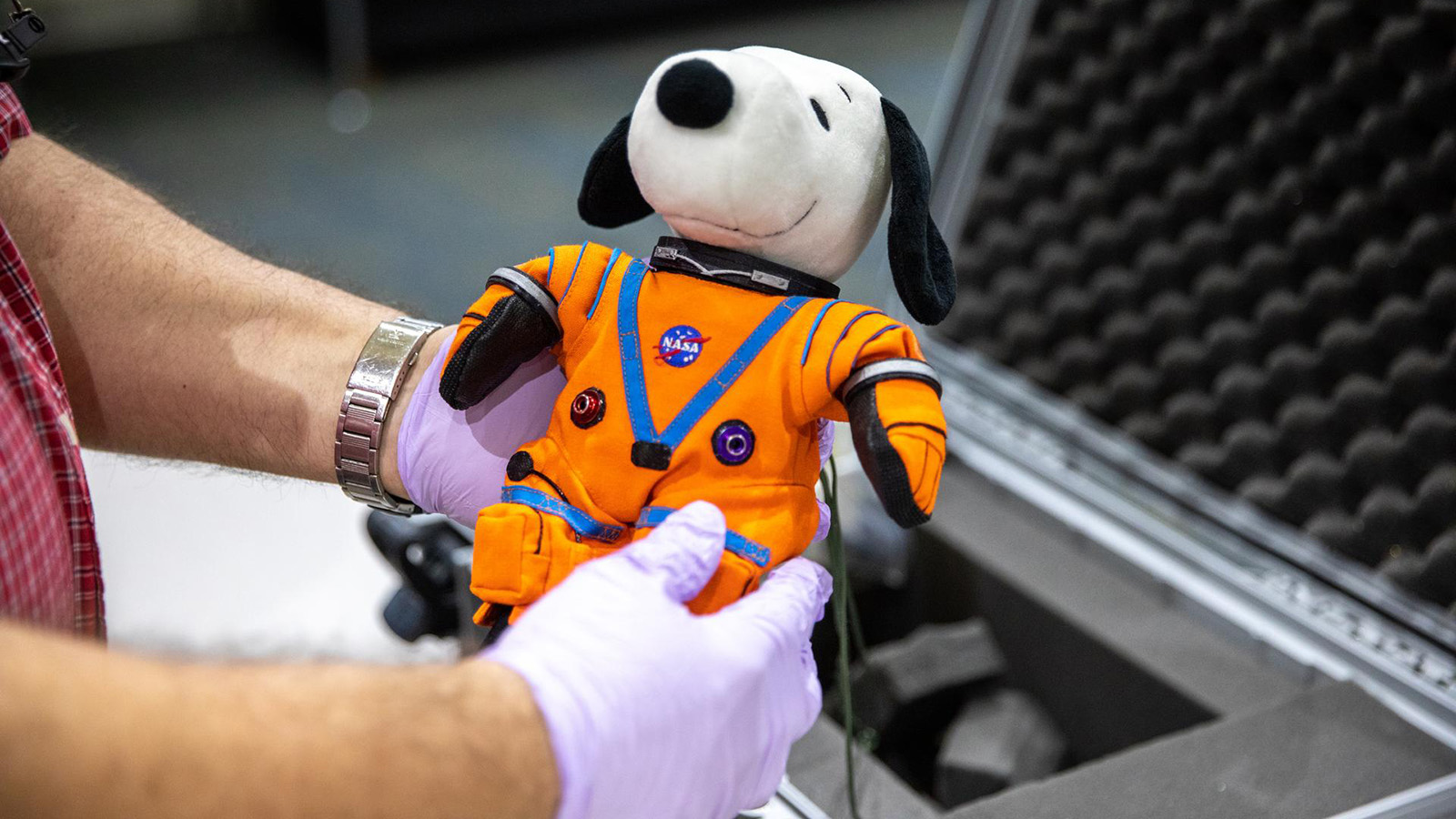
Snoopy in Space
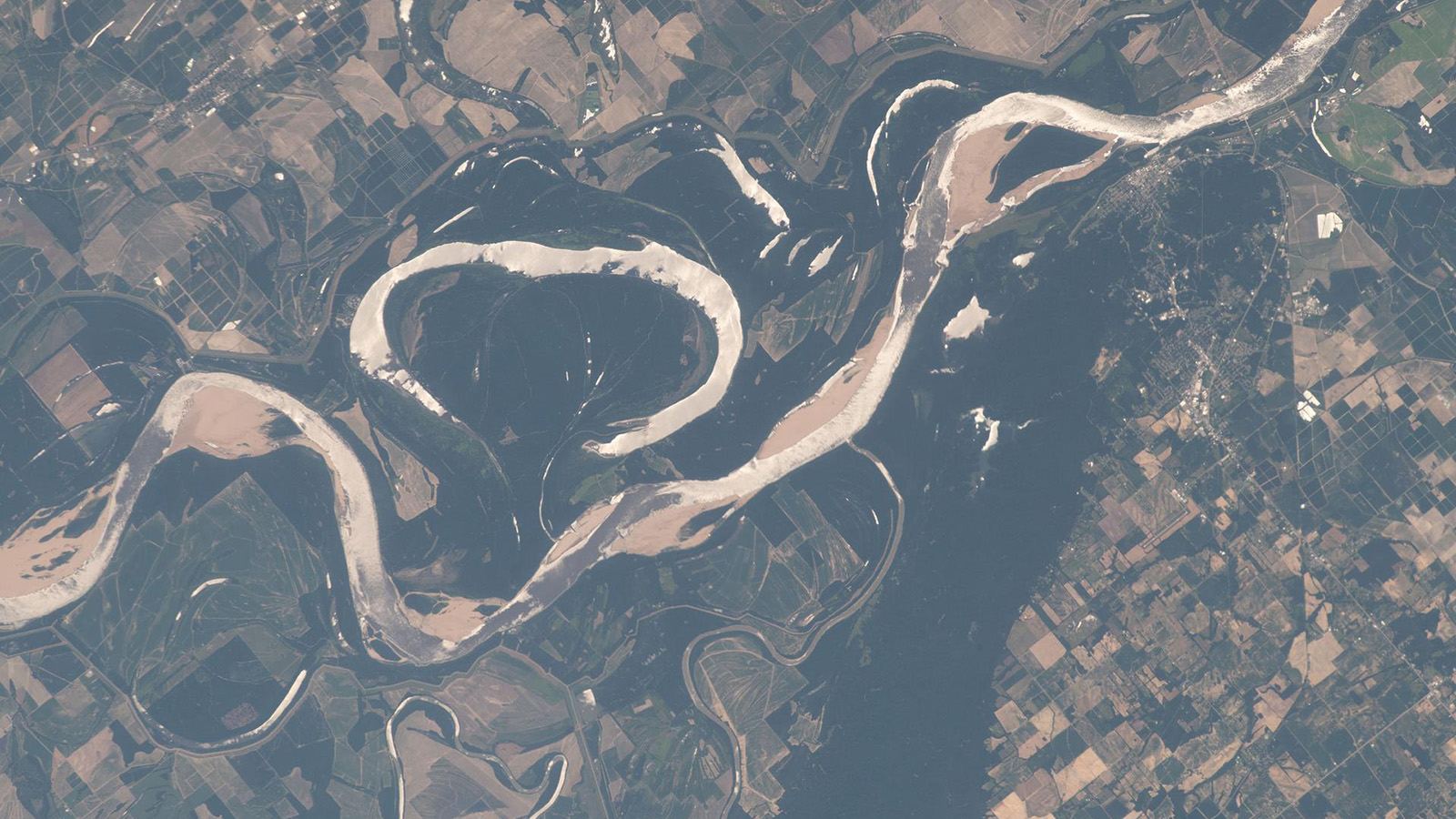
Rambling River
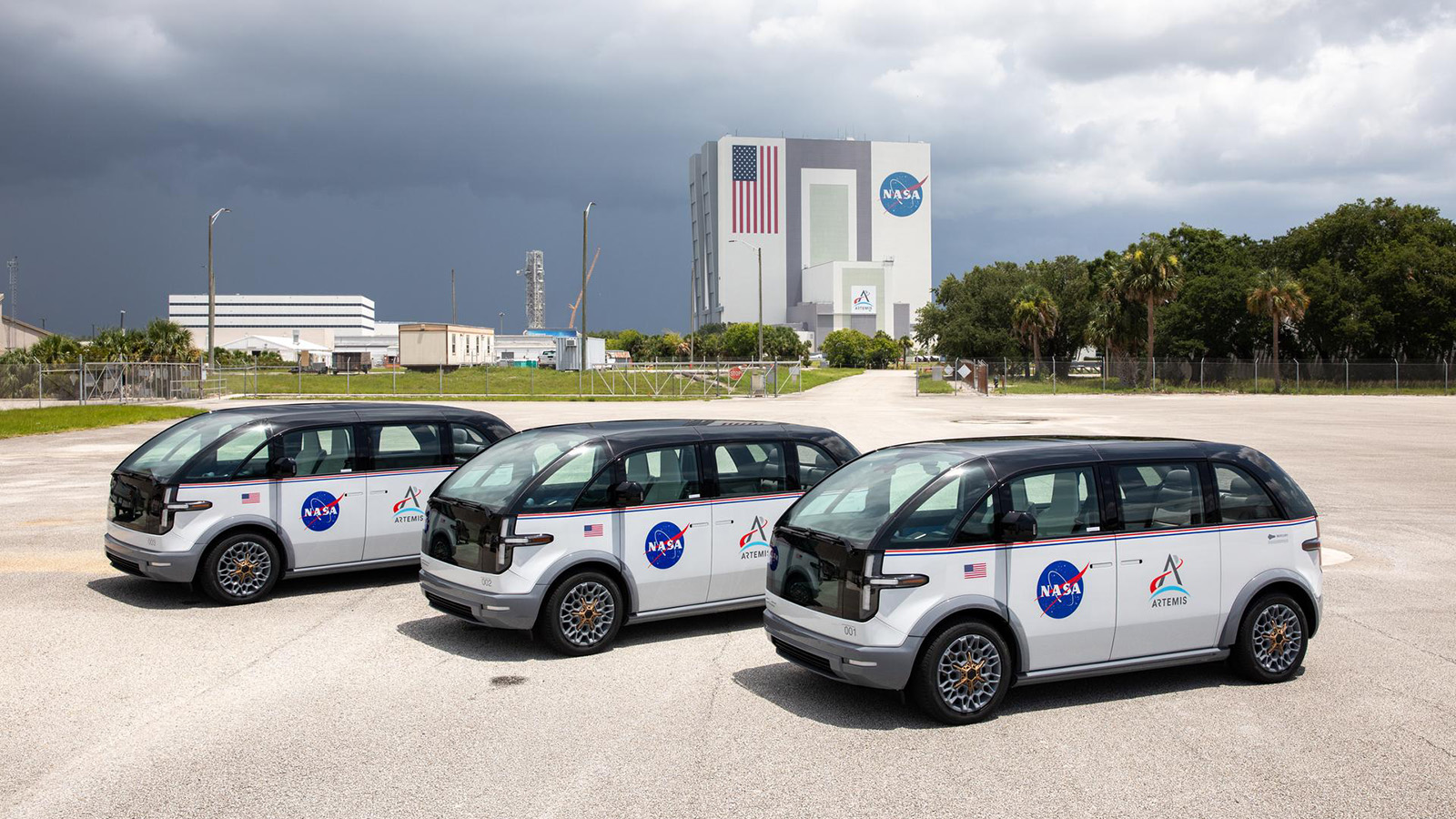
Ride to the Launch Pad
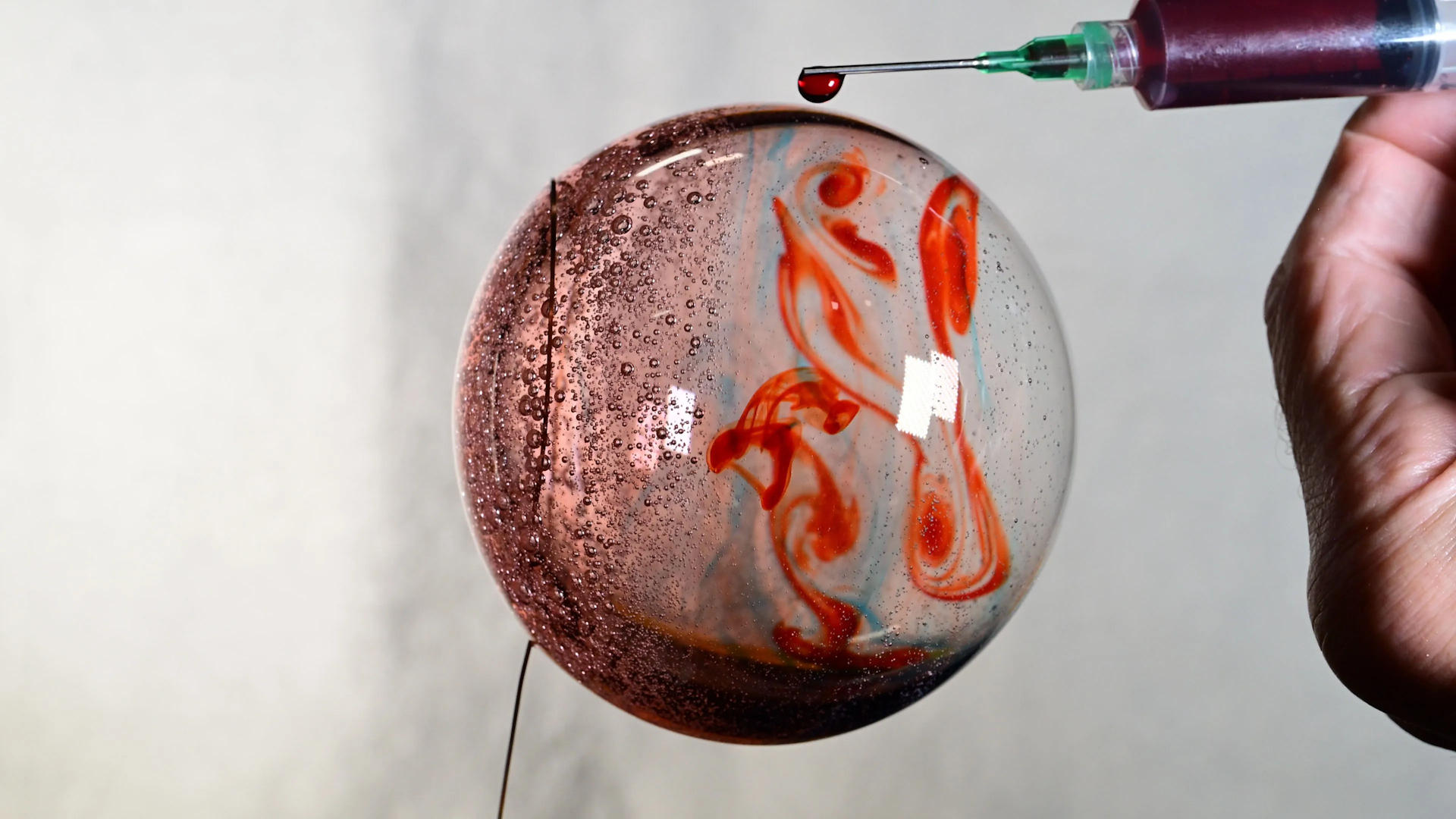
Colorful Science
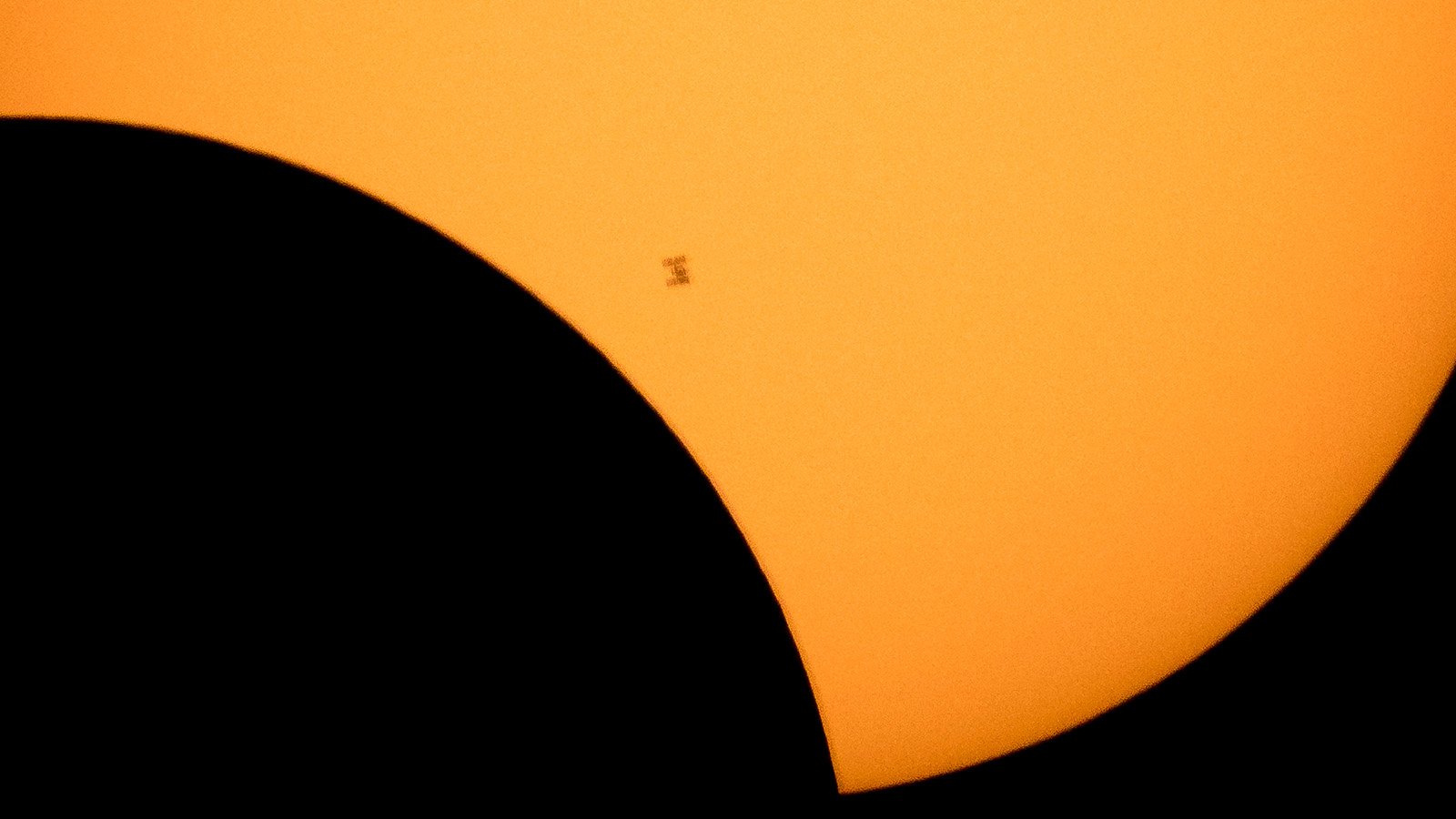
Space Station and Solar Eclipse
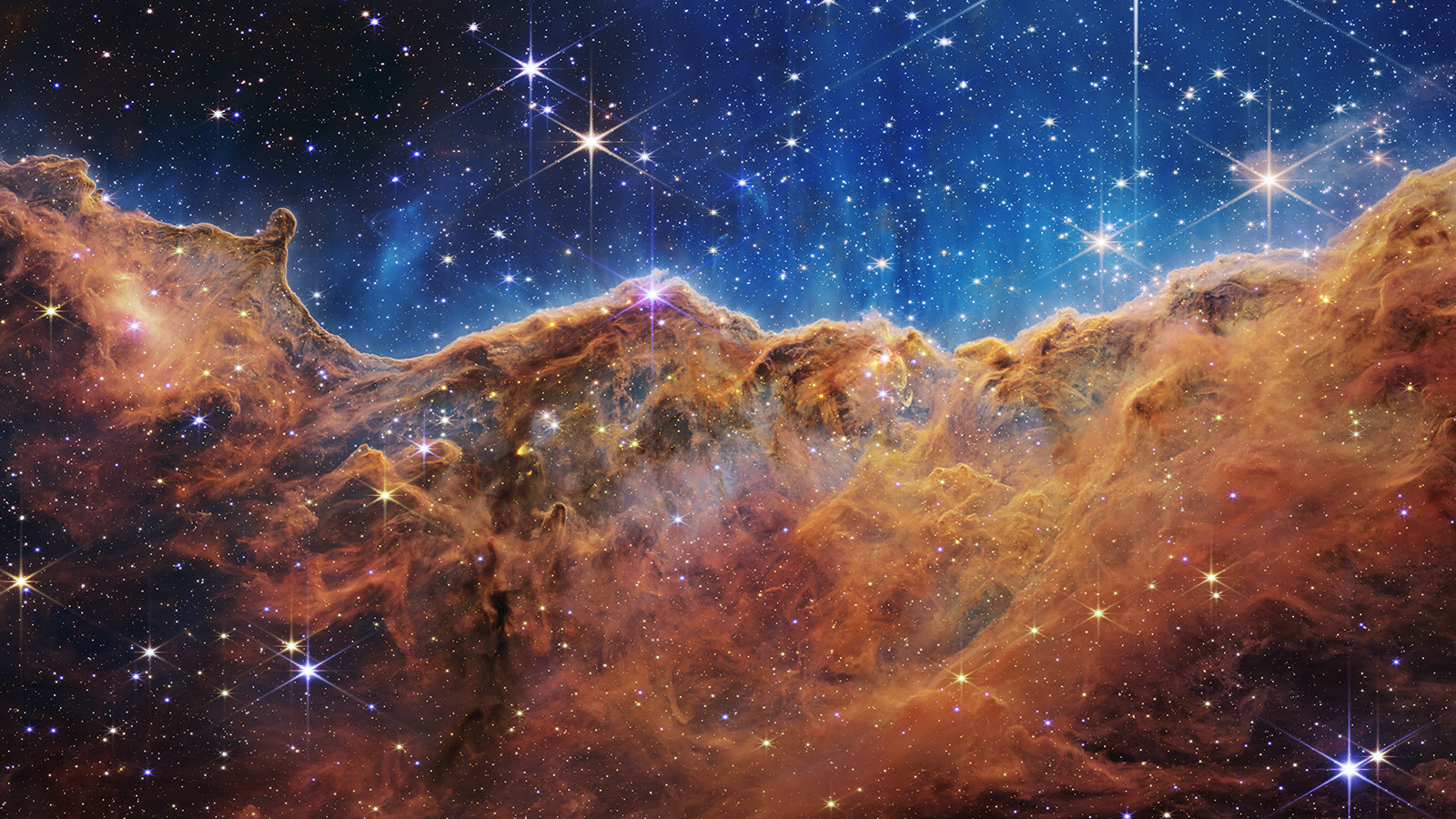
Cosmic Cliffs

Whistling through Wildflowers
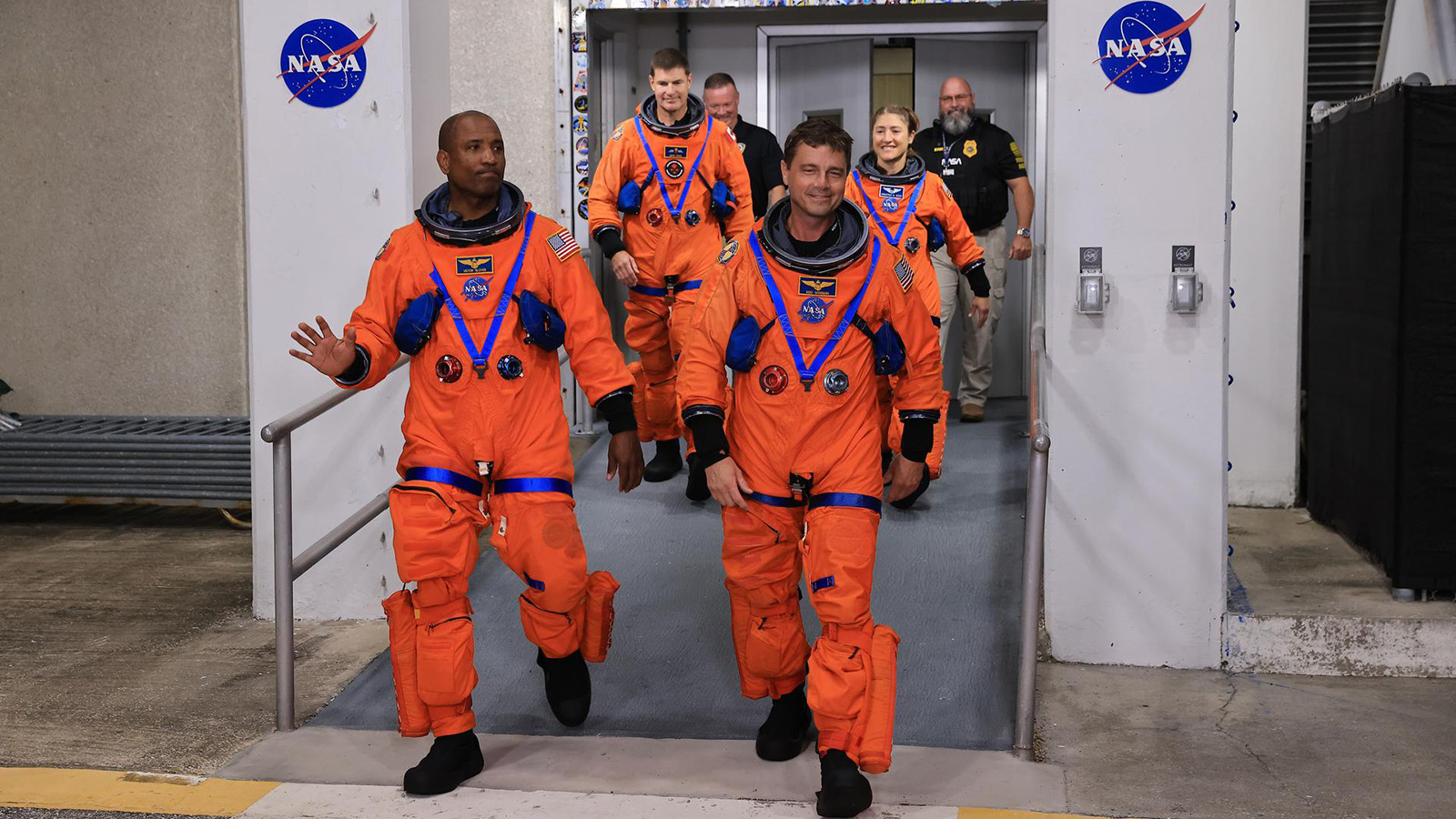
Practice Makes Perfect
Before they launch to orbit the Moon, the Artemis II crew practices every part of the mission. This includes getting their spacesuits on and going to the launchpad. This helps the astronauts know what to expect on launch day. It also helps the support teams practice, too.
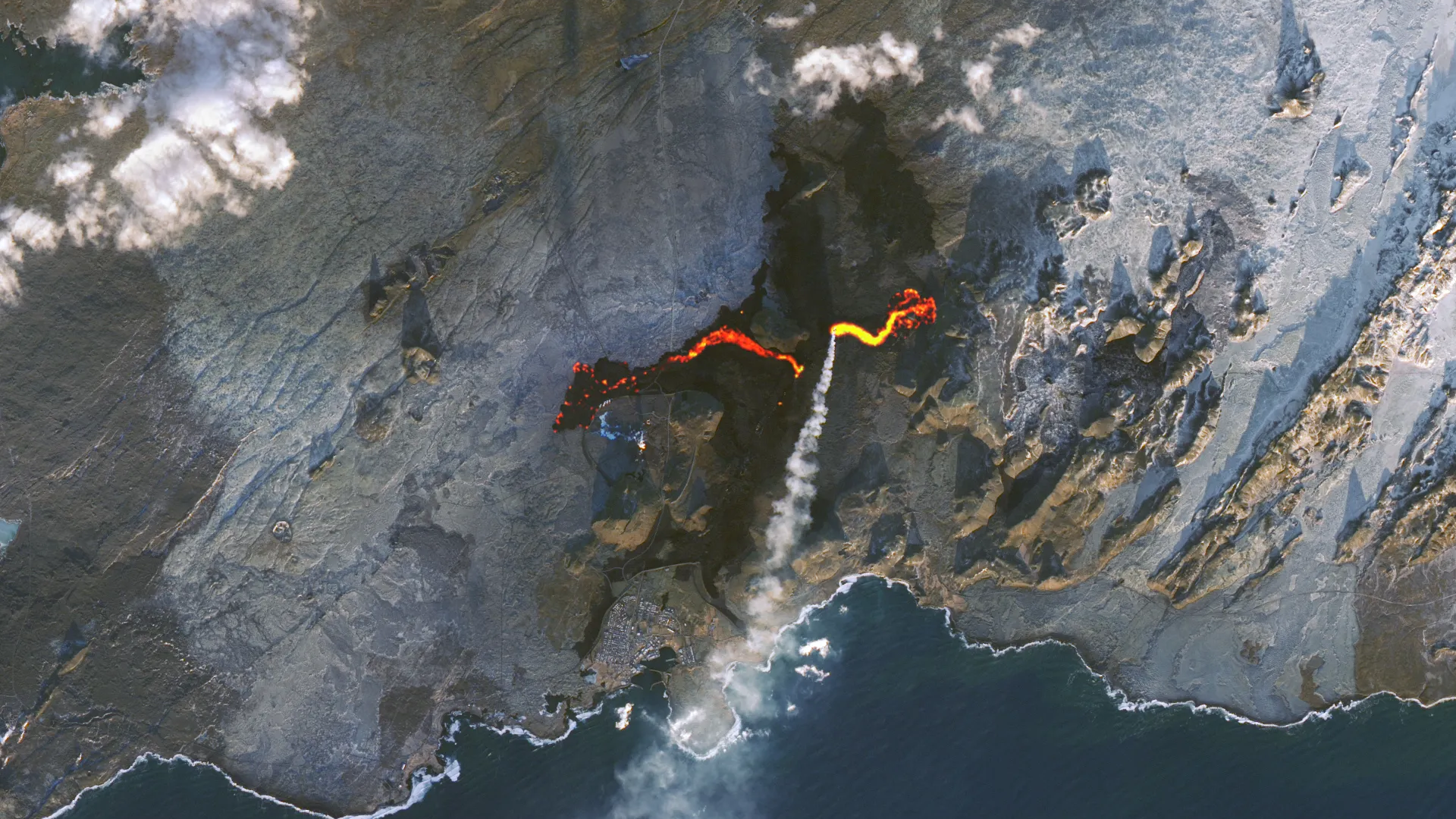
Hot Lava in Iceland
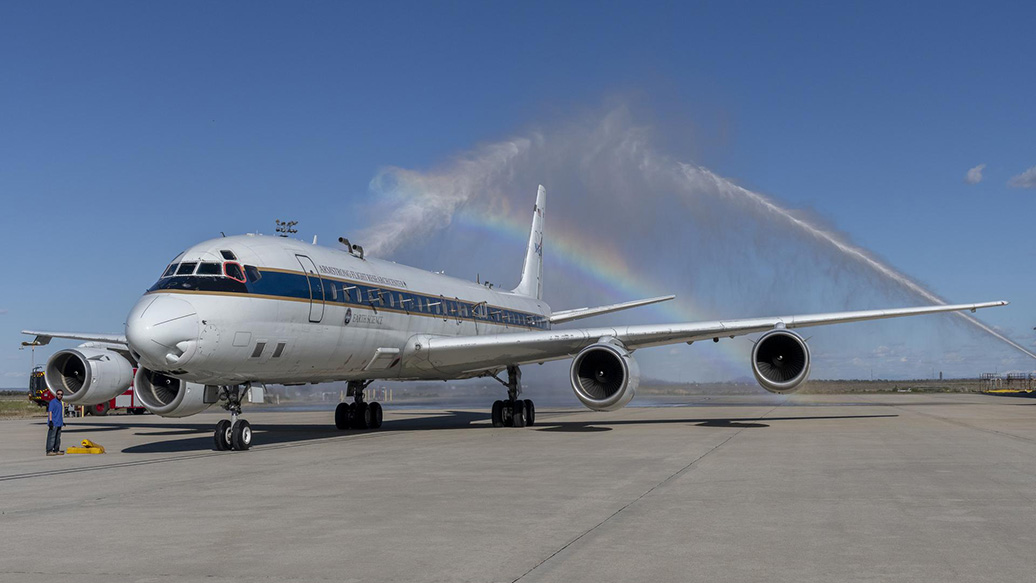
Retirement Rainbow
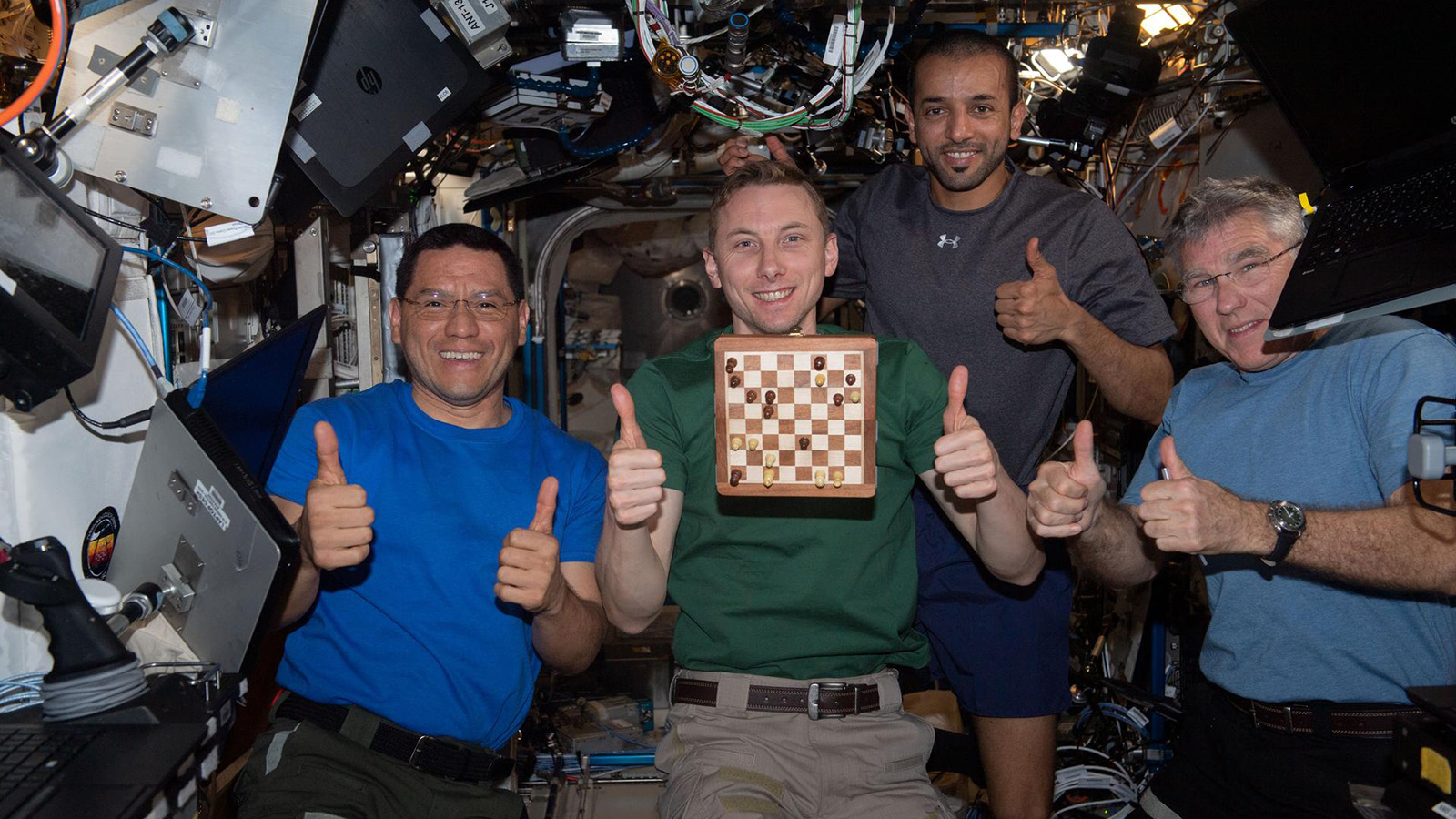
Long Distance Chess Tourney
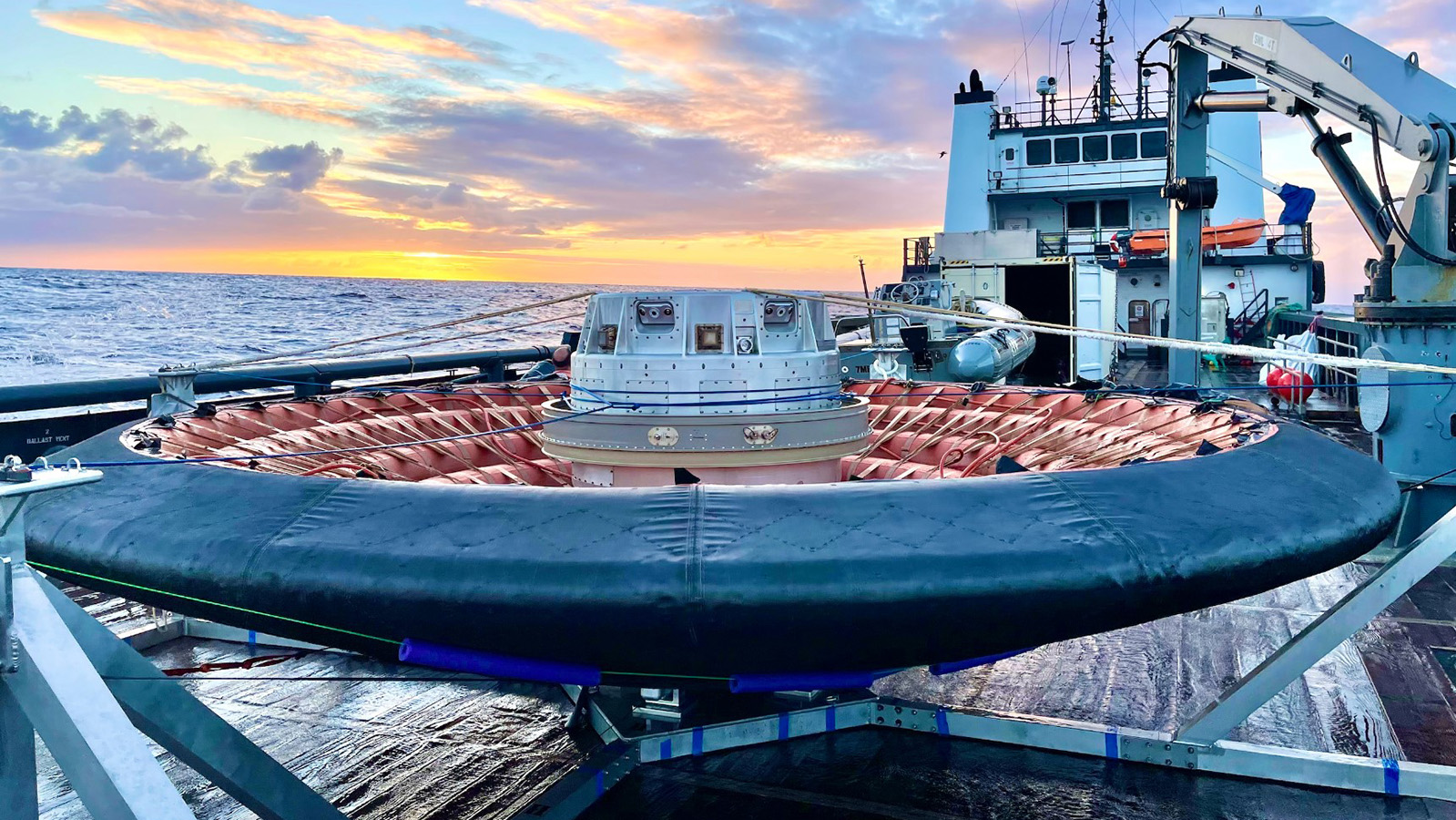
Inflatable Heat Shield
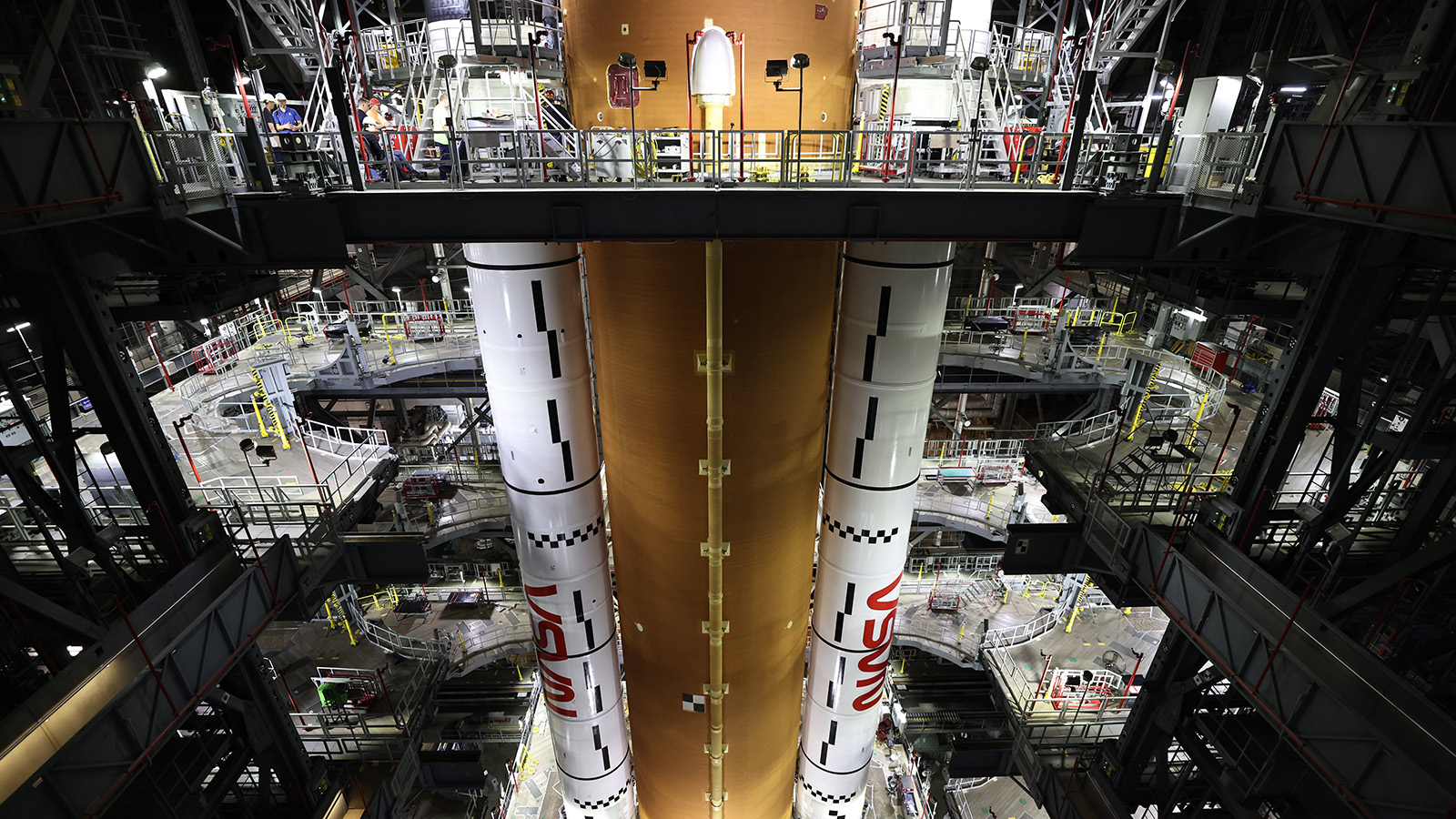
Stacked and Ready
Teams at NASA’s Kennedy Space Center in Florida have been busy getting the Space Launch System (SLS) rocket ready for the Artemis II mission. Here, they attached the white solid rocket boosters to the orange SLS core stage. The rocket is stacked on the mobile launch platform inside the Vehicle Assembly Building.
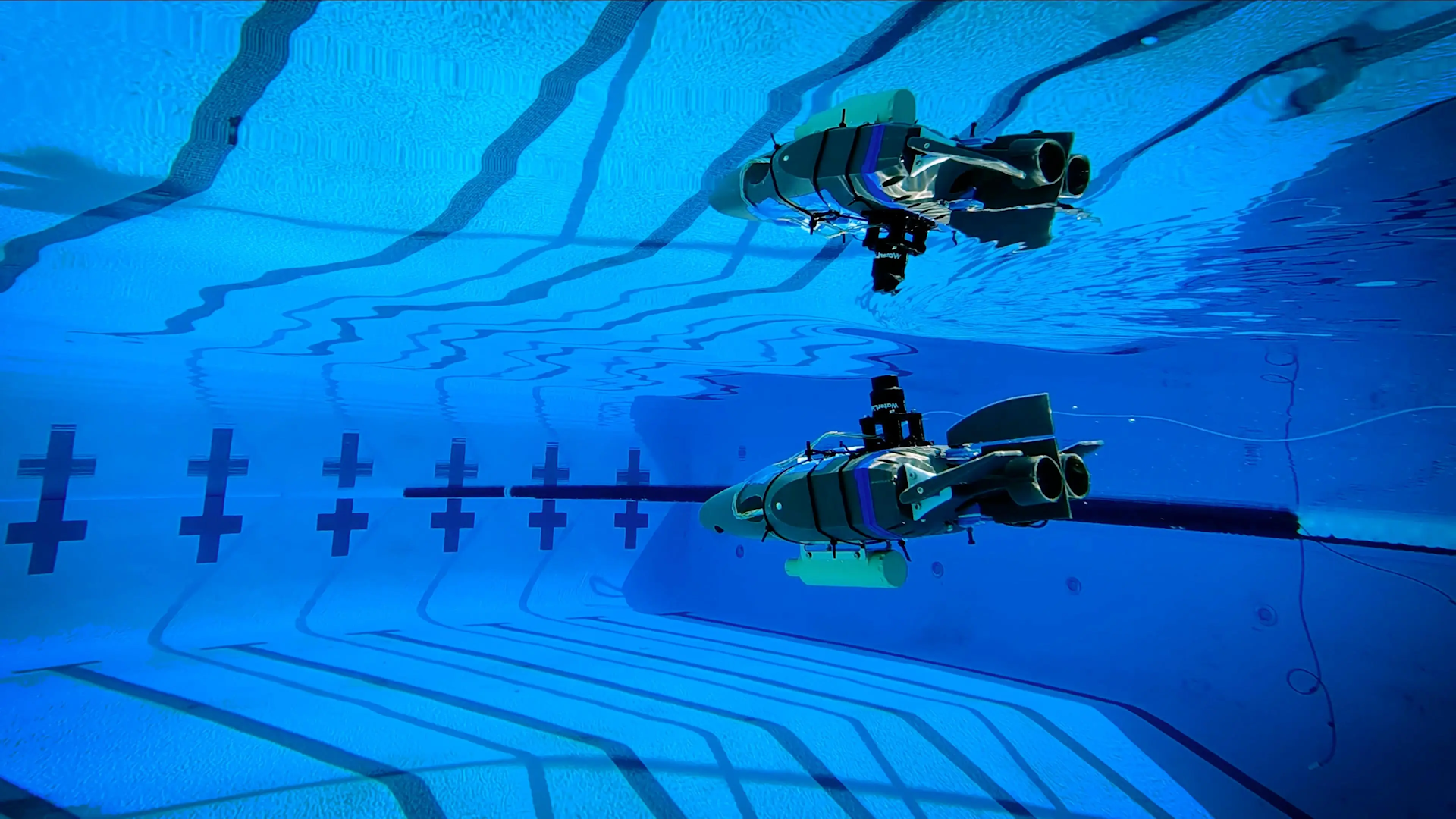
Robot Takes a Swim

Serpens Nebula
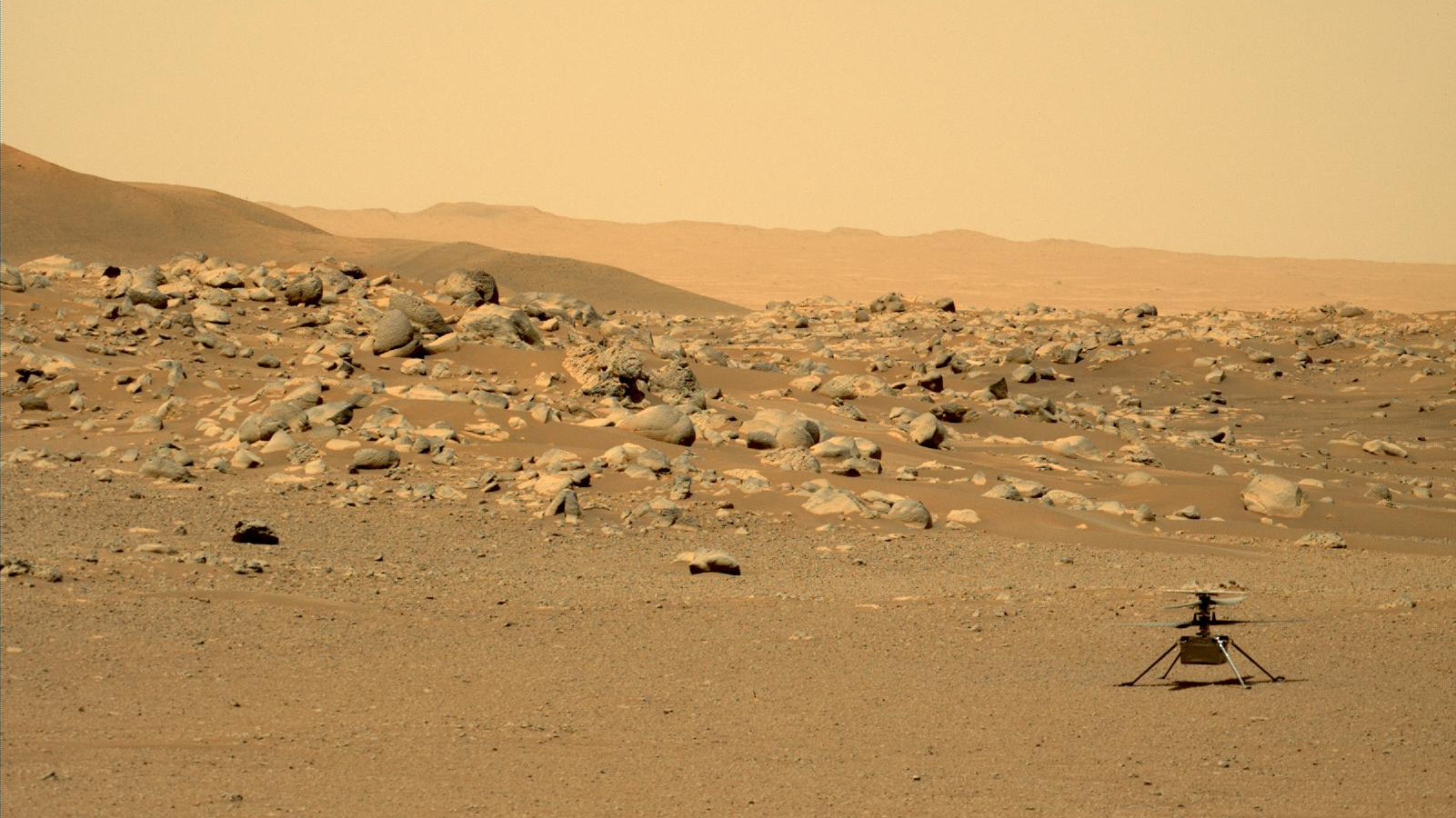
Mars Helicopter
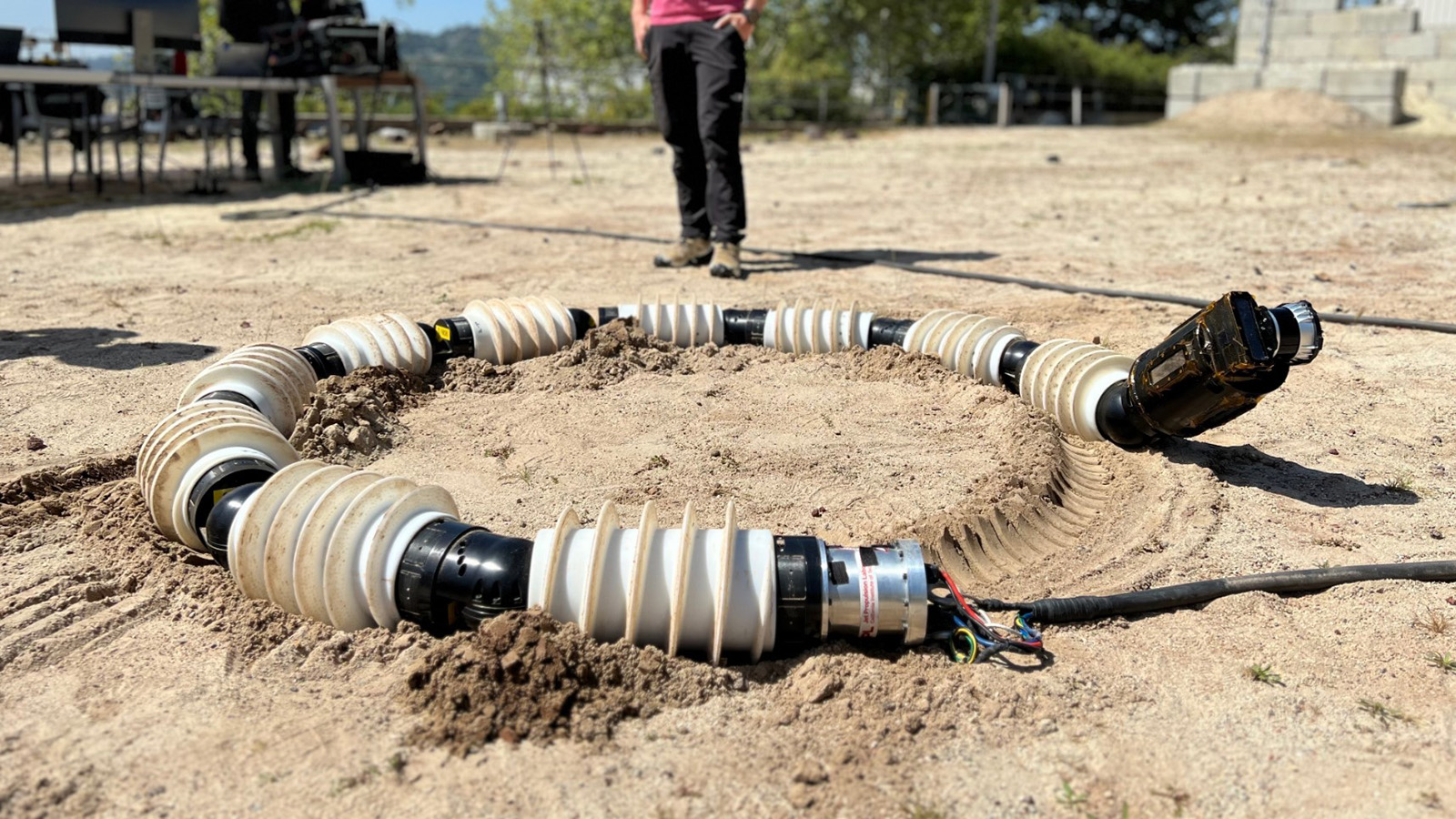
Slithering Robot
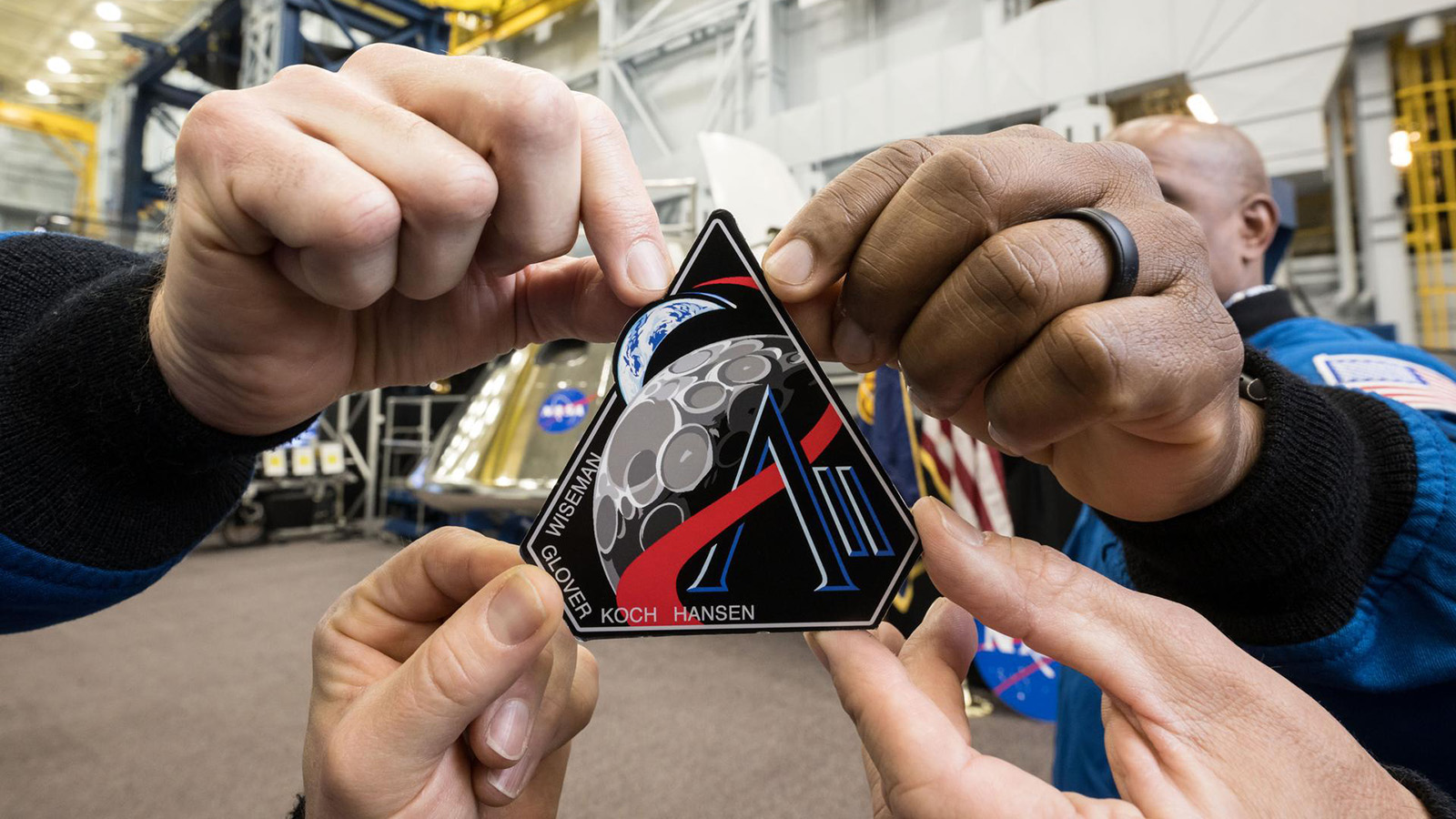
Artemis II Mission Patch
Each crew designs a patch to represent their mission. The Artemis II patch shows Earth in the distance as a red path winds around the Moon. The last names of the four crewmembers are along the edge of the patch. And the Roman numeral for two, II, is next to the A for Artemis. This makes it look like the word “All.” The crew designed this to show that their mission is for all of humanity.
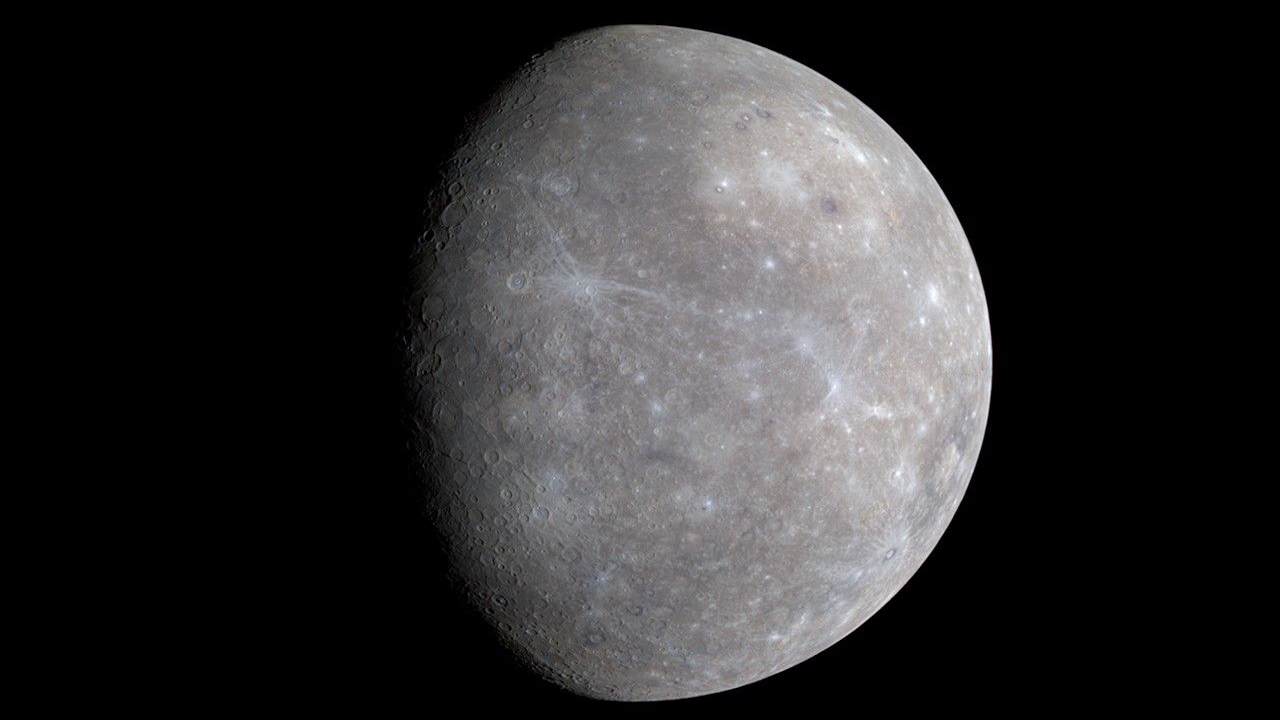
Planet Mercury

Balloon Launch in Antarctica
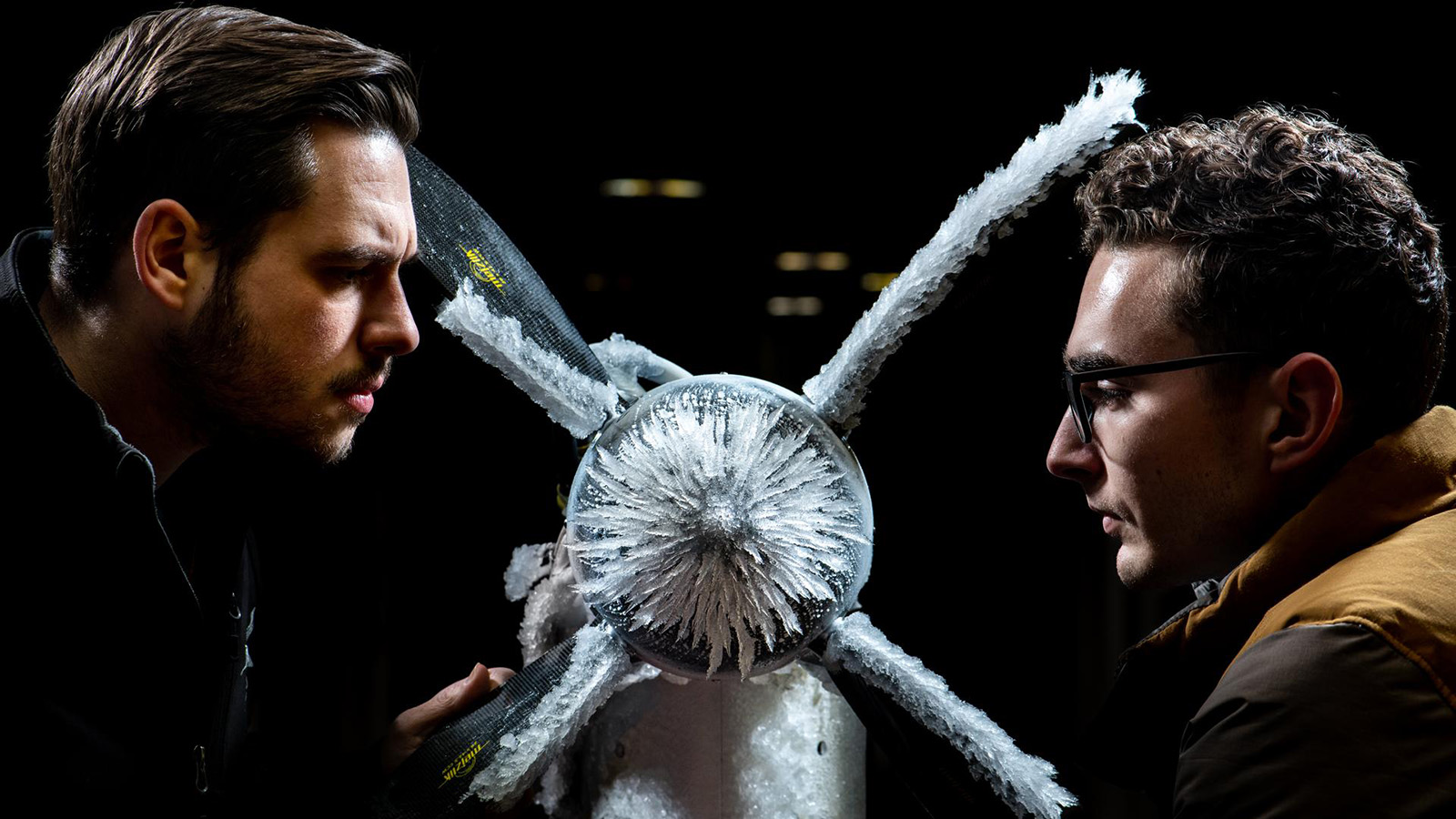
Eyes on Ice
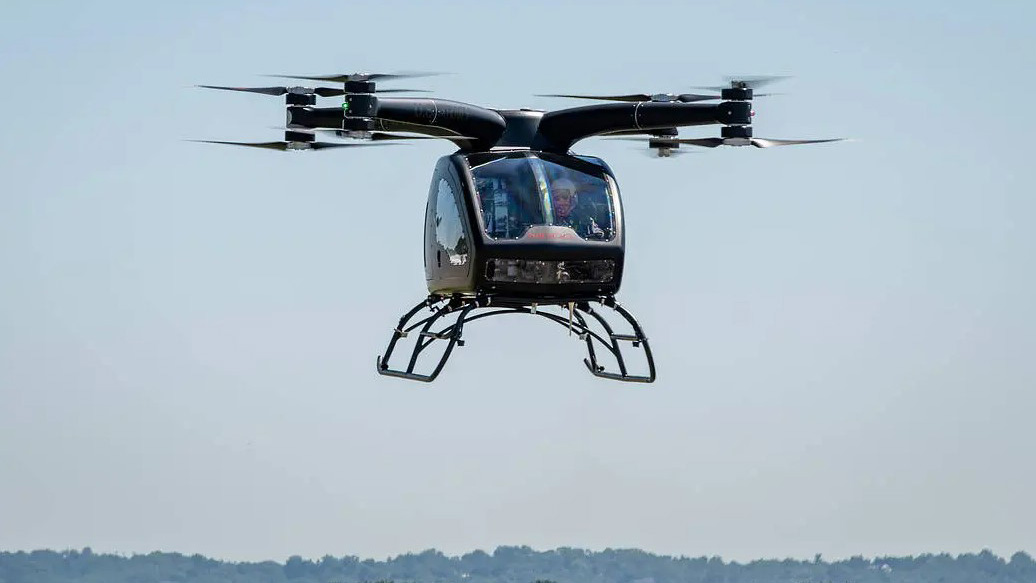
Air Taxi Resting