







Intelligent Systems Division
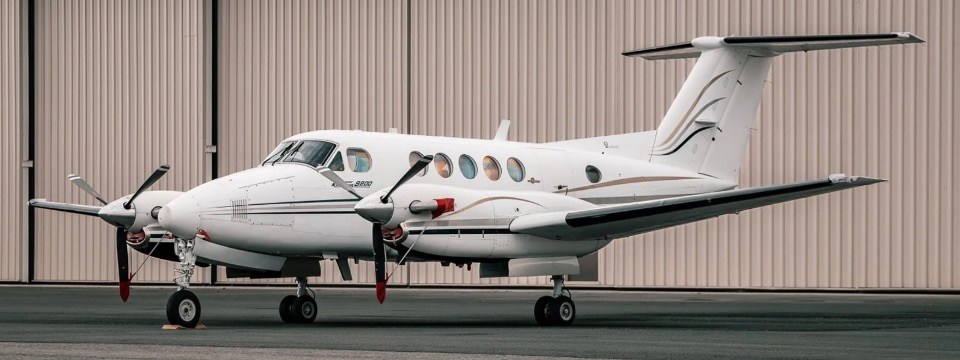
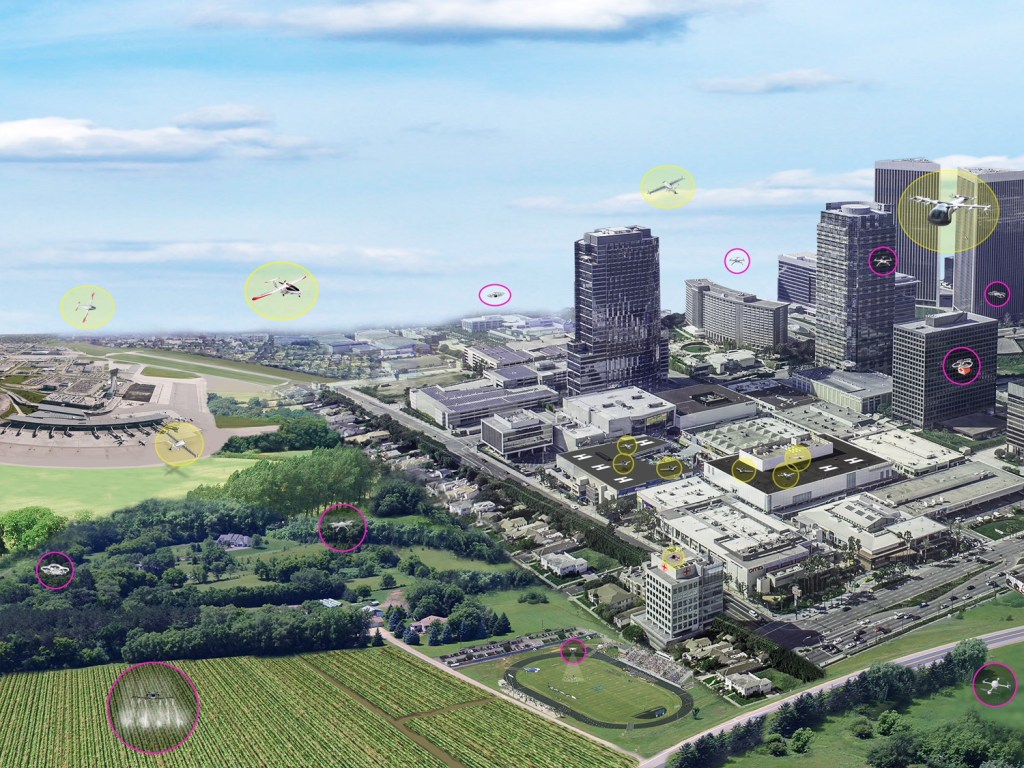
Intelligent systems are hardware and software frameworks designed to operate with a high degree of autonomy in complex, dynamic, and extreme environments on Earth and in deep space. Unlike traditional automated systems executing pre-programmed sequences, intelligent systems are built to reason, adapt, and solve problems, making timely, safety-critical survival and operational decisions without waiting for human input. The complexity of the system and the timeframe for safety-critical decisions also drives the need for intelligent systems. Safely operational uncrewed vehicles in the National Airspace System or autonomously positioning space assets for opportunistic science observations may require decision making at timescales faster than humans can respond. For NASA Ames’ Intelligent Systems Division, these systems include ground and flight software systems and data architectures for data mining, analysis, integration, and management, as well as integrated health management, systems safety, and mission assurance. These core information technologies are essential in supporting NASA missions and initiatives.
Location
Moffett Field, CA
NASA
Ames Research Center
PEOPLE
300+
Acting division chief
Richard Papasin
Research Areas
Autonomous Systems and Robotics (ASR)
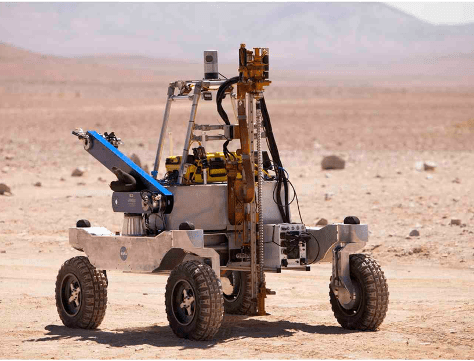
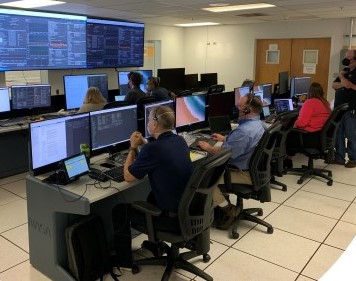
Enabling complex systems through the development of technologies that can adapt in response to changing conditions, knowledge, and constraints
Collaborative and Assistant Systems (CAS)
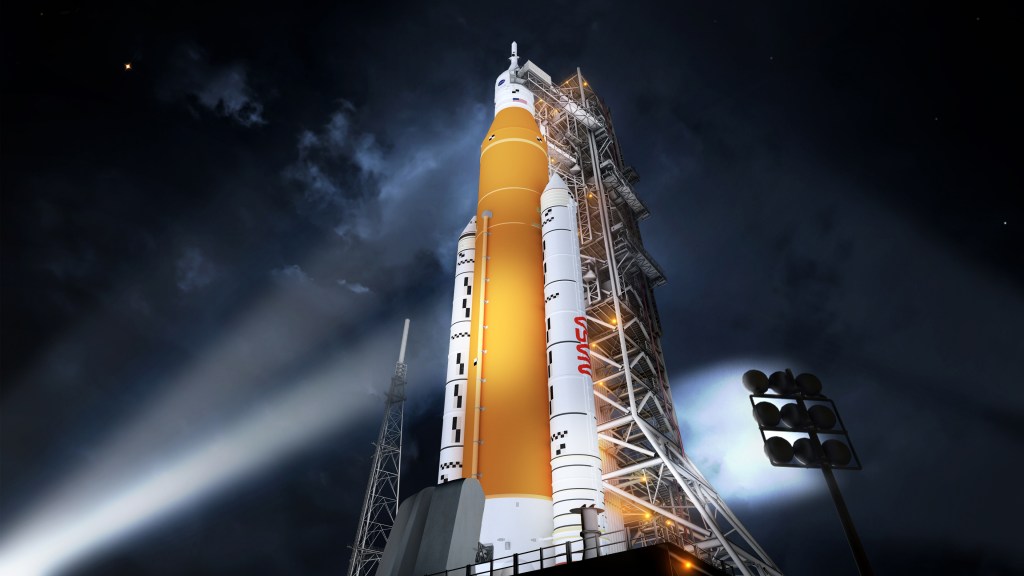
Providing collaborative technologies and data systems to manage specialized technical information for NASA Missions, Programs, and projects
Discovery and Systems Health (DaSH)
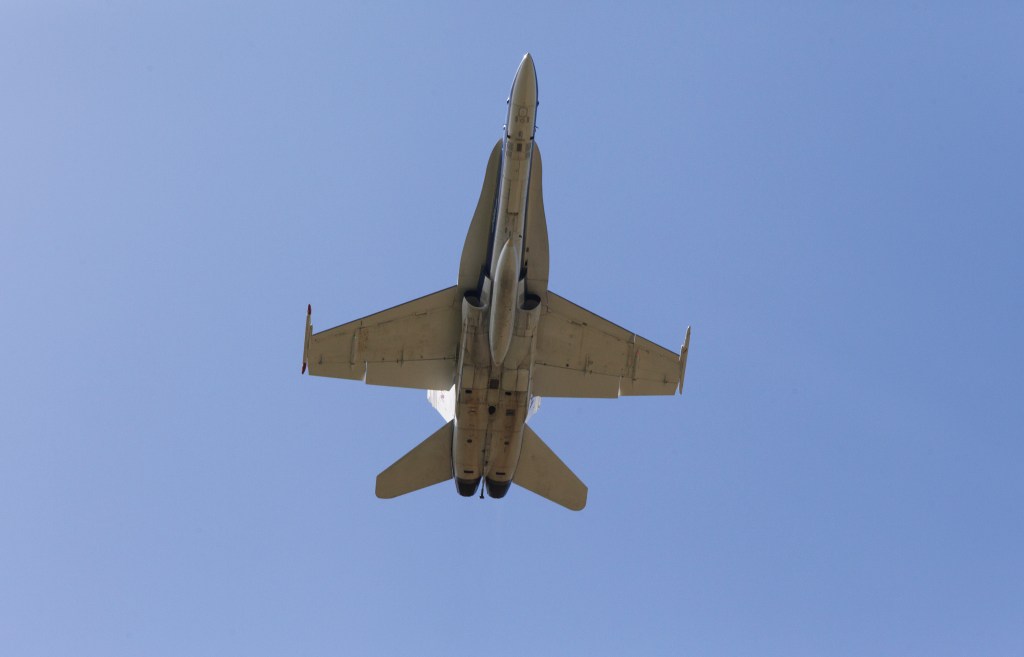
Understanding, modeling, and reasoning with engineered systems and science data to meet the needs of aerospace missions. Building resilient systems and conducting foundational research in quantum computing, machine learning, and computational materials
Robust Software Engineering (RSE)
Increasing systems safety and performance by enhancing software quality, reliability, and productivity through research done in the context of NASA applications in space, aviation, and wildfire management
MEET the leadership team

Richard Papasin
Acting Division Chief

Scott Poll
Deputy Division Chief

Meghan Saephan
Associate Division Chief

David Mauro
Acting Associate Division Chief

Jonathan Stock
Chief Scientist for Innovation

Shon Grabbe
Technical Area Lead, Aerospace Computing Innovations

Jose V. Benavides
Technical Area Lead, Autonomous Systems & Robotics
Peter B. Tran
Technical Area Lead, Mission Control Software

Elizabeth "Liz" Pane
Deputy Technical Area Lead
Division Information & Resources


Featured Projects
ARMADAS
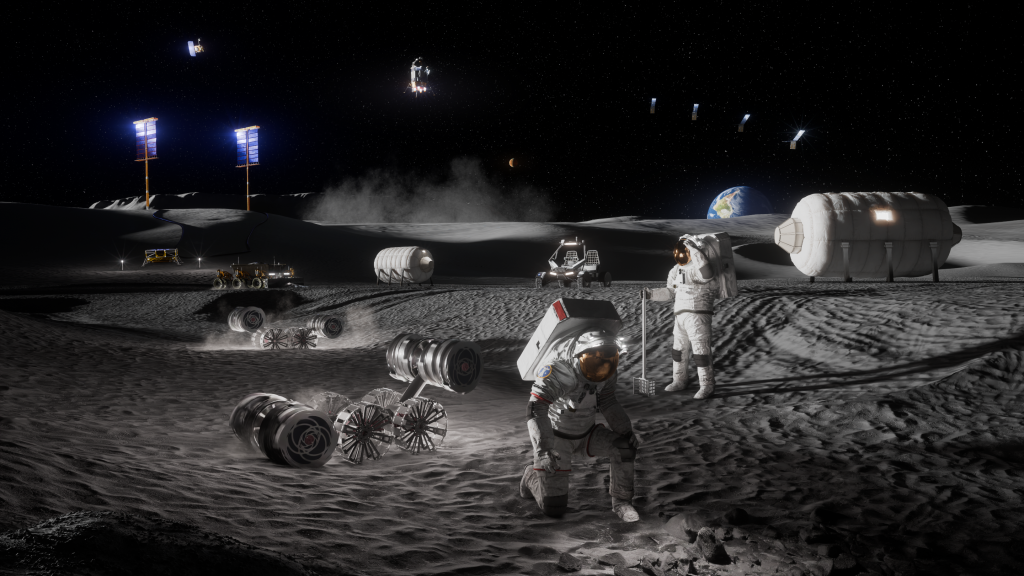
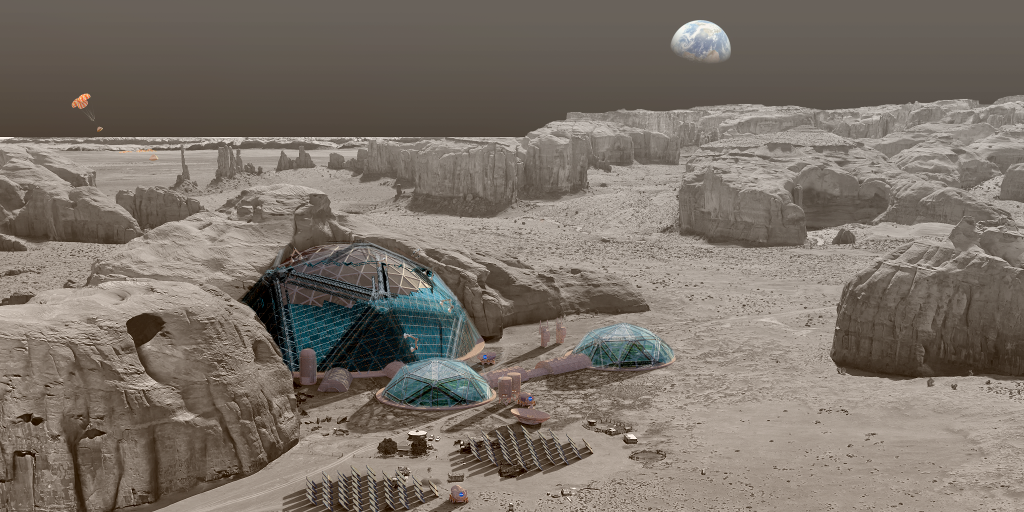
The Automated Reconfigurable Mission Adaptive Digital Assembly Systems (ARMADAS) project has developed an infrastructure that autonomously assembles itself from a set of packed parts. This scalable automated assembly of physical systems is critical to massless exploration and in-space reliance goals, including development of habitat-scale systems, long-duration spaceports, next-generation solar power, communications, and scientific instrumentation. The goal is to change the cost-scaling curve for mission infrastructure relative to size and duration.
More on ARMADAS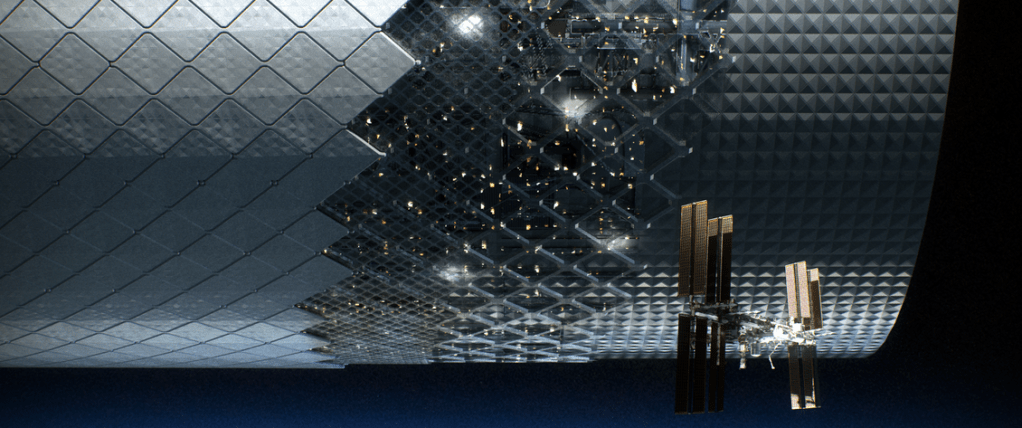
Astrobee
The Astrobees are next-generation free-flying robots that operate in the interior of the International Space Station and can be remotely operated by astronauts in space, or by mission controllers on the ground. Their primary purpose is to provide a flexible platform for research on zero-gravity free-flying robotics, with the ability to carry a wide variety of future research payloads and guest science software. They were also designed to perform a number of Intra-Vehicular Activities (IVAs), including interior environmental surveys (e.g., sound level measurement), inventory, and mobile camera work.
More on Astrobee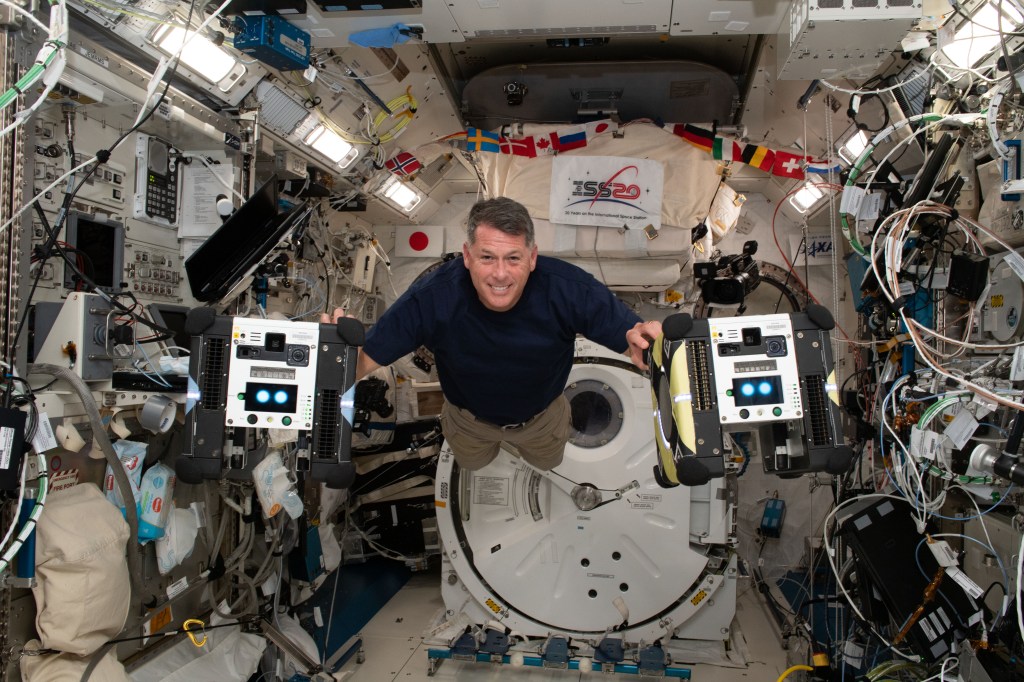
BioSentinel
The BioSentinel mission is one of the secondary payloads to fly on the Space Launch System’s (SLS) first Exploration Mission (EM-1). The primary objective of BioSentinel is to develop a biosensor using a simple model organism (the saccharomyeces cerevisiae strain of yeast is being used) to detect, measure, and correlate with other measurements the impact of space radiation to living organisms over long durations beyond Low Earth Orbit (LEO).
More on BioSentinel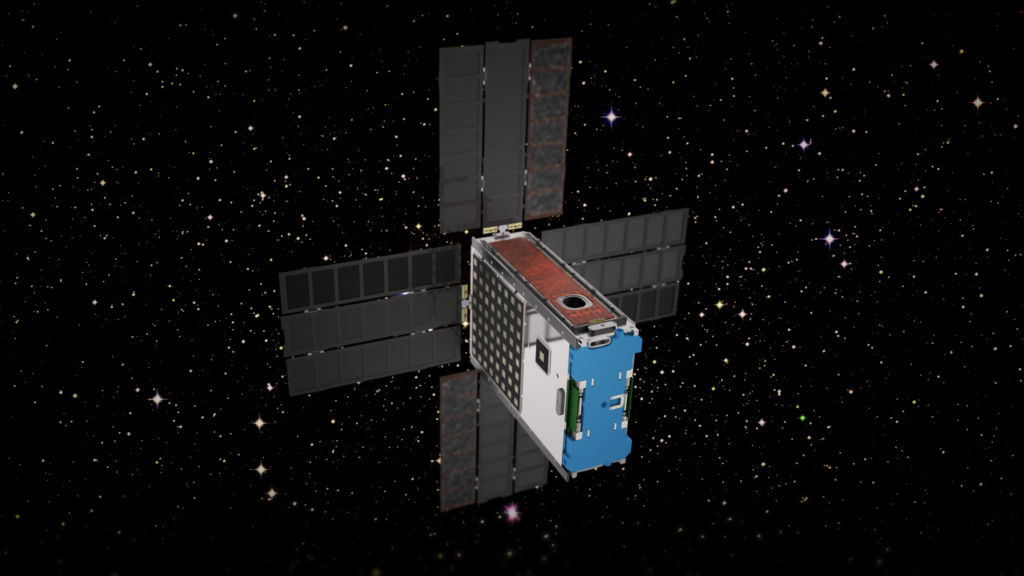
Distributed Spacecraft Autonomy
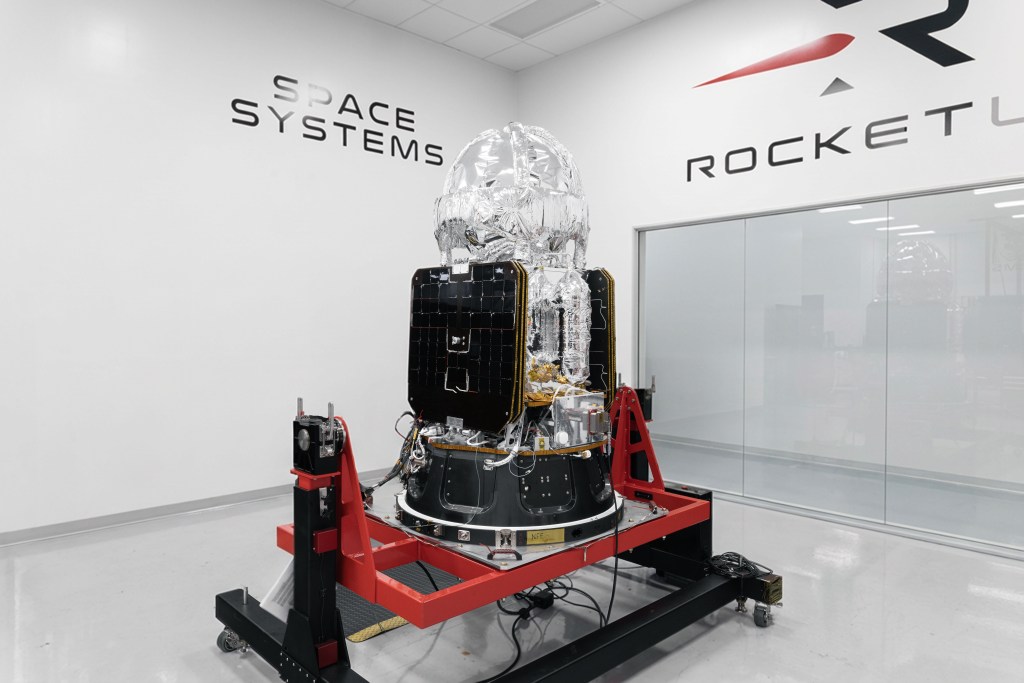
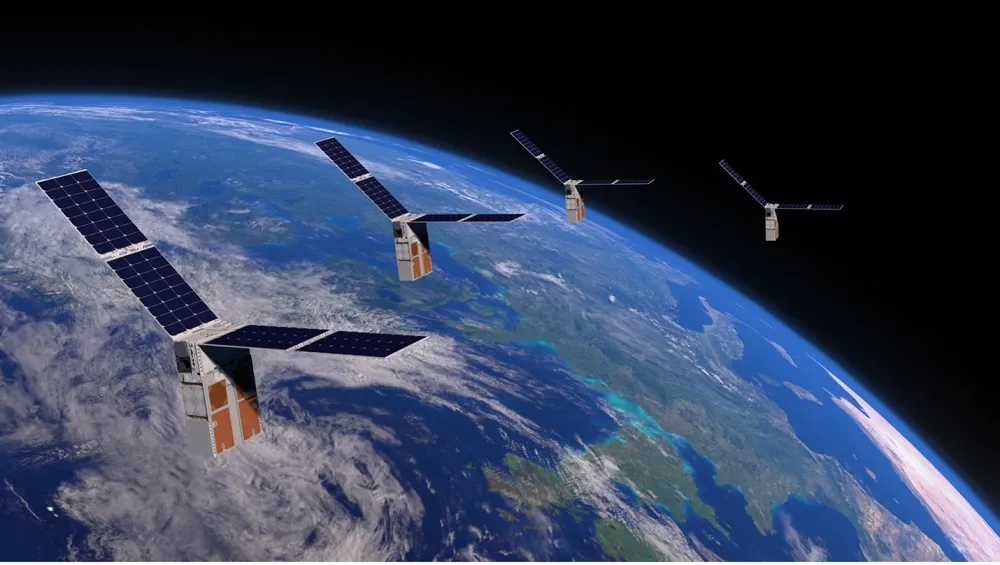
The Distributed Spacecraft Autonomy (DSA) project is developing intelligent software that enables groups of spacecraft to operate cooperatively as a single autonomous system. By allowing spacecraft to share information, coordinate tasks, and adapt to changing mission conditions without constant guidance from Earth, DSA is advancing the technologies needed for future satellite swarms, lunar infrastructure, and deep-space exploration. The goal is to increase mission resilience, scalability, and scientific capability while reducing reliance on ground operations and overcoming communication delays.
More on DSA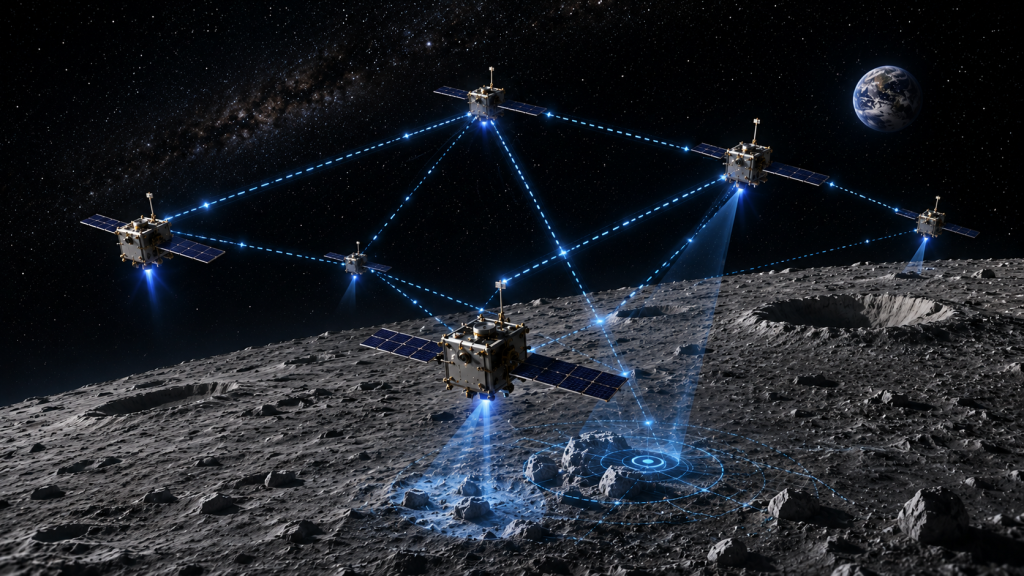
Fluidic Telescope Experiment
The Fluidic Telescope Experiment (FLUTE) is a collaboration involving NASA Ames Research Center, NASA Goddard Space Flight Center, and Technion – Israel Institute of Technology. It aims to revolutionize space astronomy and in-space manufacturing of high-precision optics for a variety of applications by leveraging the physics of wetting and hydrostatic phenomena in microgravity. The approach being developed by the project is scale-invariant and expected to enable space telescopes with optical apertures measuring in tens or even hundreds of meters to directly image extra-solar planets.
More on FLUTE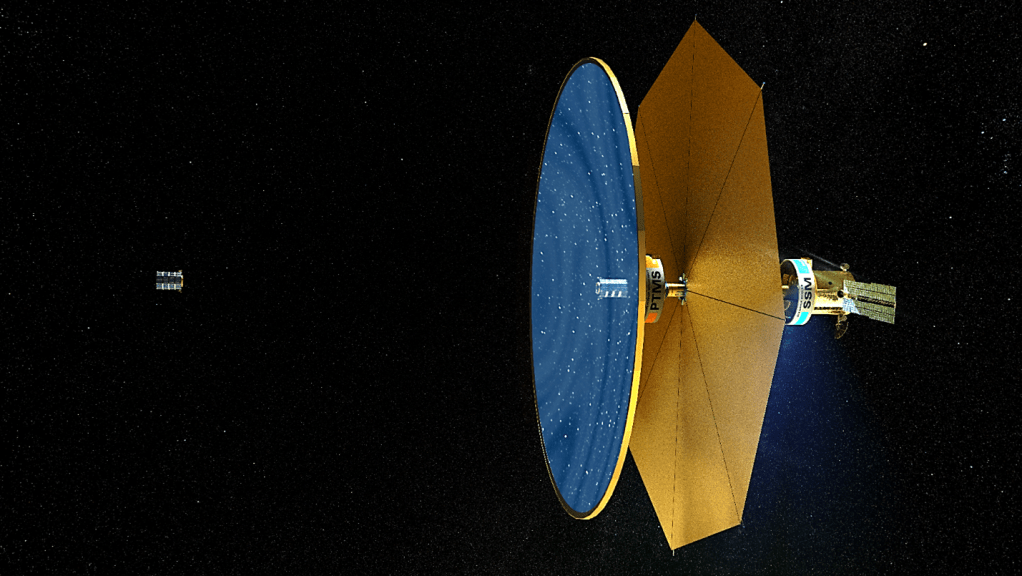
Mission airborne Tools Suite
The Mission airborne Tools Suite (MTS) is a web-based software application that acts as the unified endpoint for many of the key enabling technologies available through the Airborne Science Program (ASP) Sensor Network, including the visualization of mission information sources to aid real-time decision making. MTS is primarily used for observing real-time telemetry from remote sensing airborne platforms in concert with meteorological, airspace, satellite, and other mission products to improve situational awareness for all participants in NASA Airborne Science missions.
More on MTS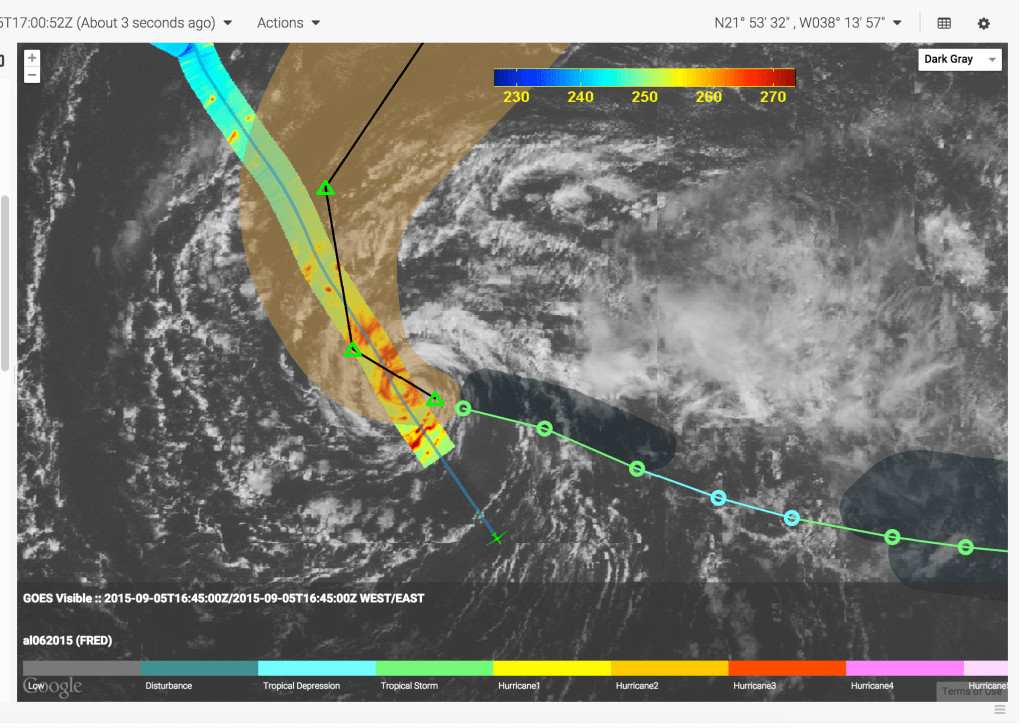
Mission Control Technologies
The Open Mission Control Technologies (Open MCT) platform is a next-generation mission control framework for visualization of mission data on desktop and mobile devices. Developed at NASA’s Ames Research Center in collaboration with the Jet Propulsion Laboratory (JPL) and NASA’s Advanced Multi-Mission Operations System (AMMOS). Open MCT is being used by NASA for data analysis of spacecraft missions, including the Mars Cube One (MarCO) missions, the Arcsecond Space Telescope, the Mars 2020 rover testbed, and the Volatiles Investigating Polar Exploration Rover (VIPER).
More on MCT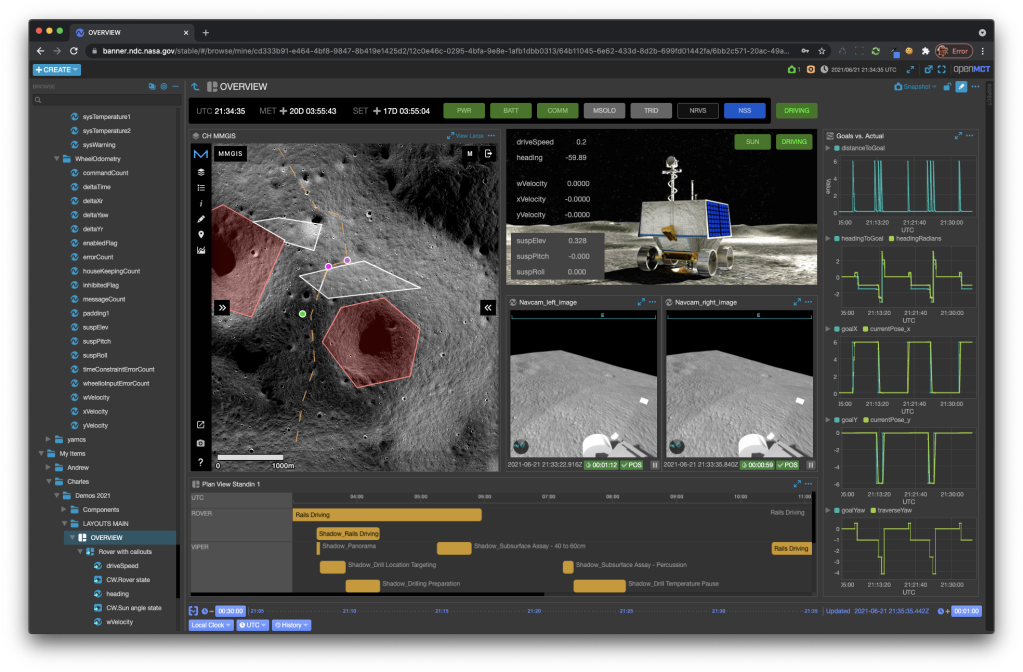
OceanWATERS
The Ocean Worlds Autonomy Testbed for Exploration Research and Simulation (OceanWATERS) software is a simulation environment for research and development of onboard autonomy software for scientific lander missions to the “ocean worlds” of our solar system: the moons harboring large quantities of liquids, such as Europa, Enceladus, and Titan. The proposed “Europa Lander” mission was chosen as a reference design to inform the development of the simulator.
More on OceanWATERS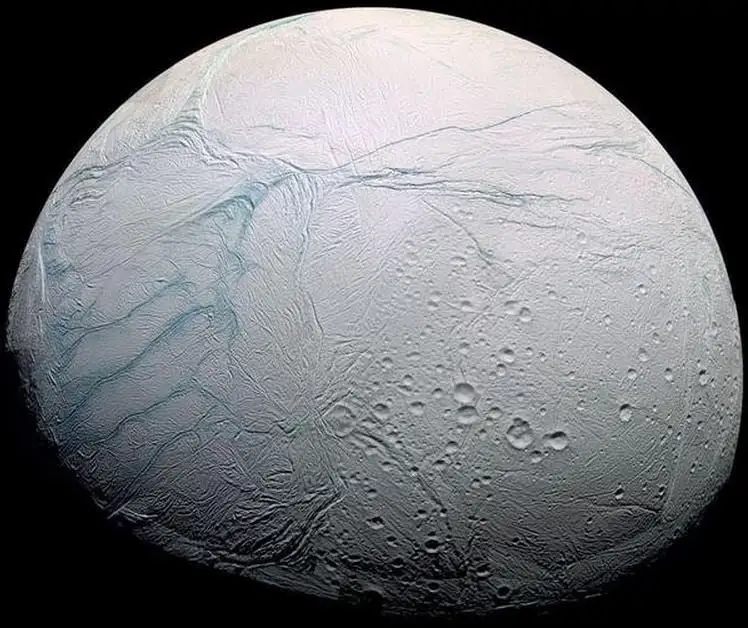
ODIN-fire
The Open Data Integration Framework for Wildland Fire Management (ODIN-fire) is a software architecture to create field-deployable servers that can import, process, and display an open number of wildland fire-related data sources, such as weather, fire location, and near-real-time location of vehicles and personnel. It allows stakeholders to create and run their own fire-related applications, improving situational awareness of wildfires and resources in the field.
More on ODIN-fire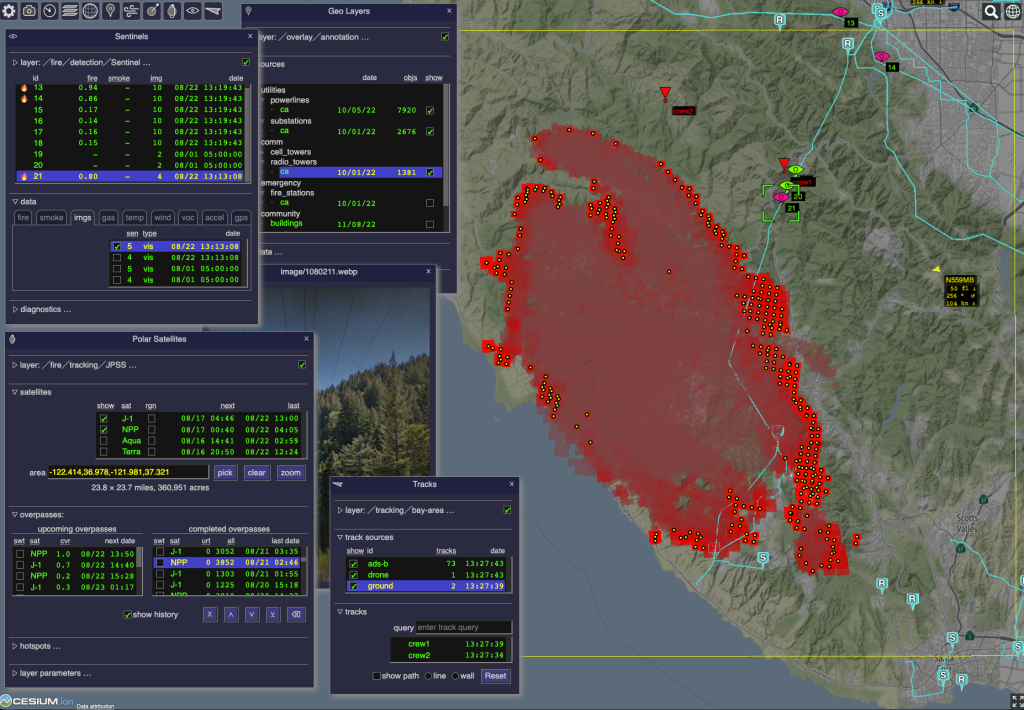
Prognostics Center of Excellence
The Prognostics Center of Excellence (PCoE) at Ames Research Center provides an umbrella for prognostic technology development, specifically addressing prognostic technology gaps within the application areas of aeronautics and space exploration.
More on PCoE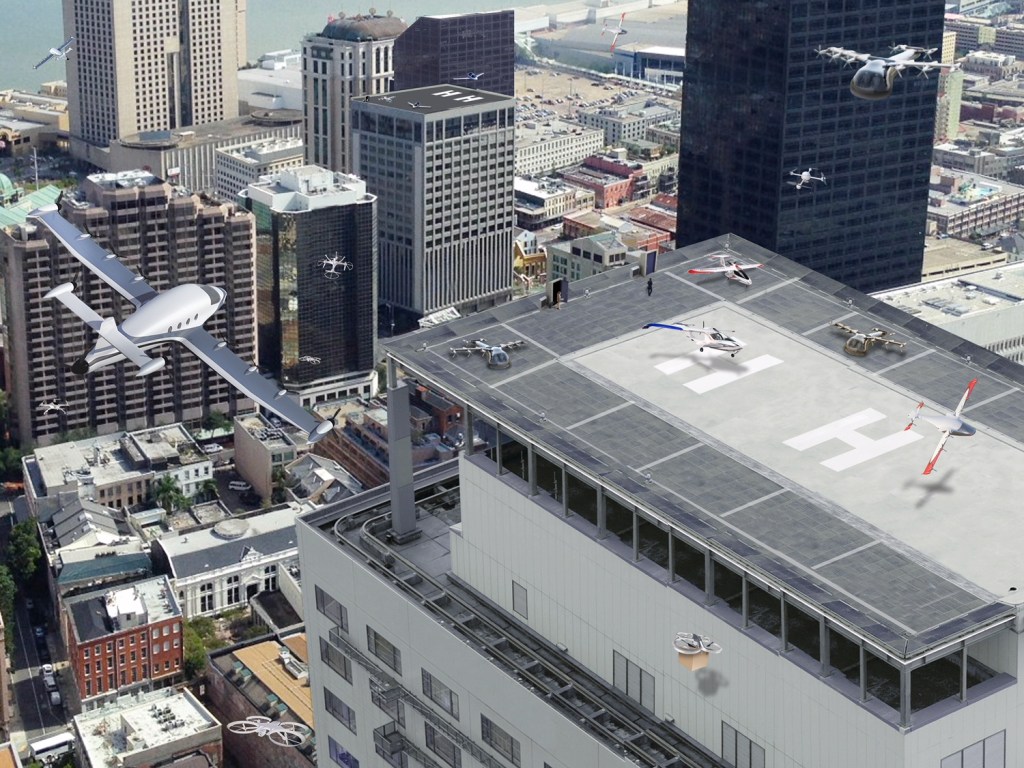
ProgPy
Prognostics Python Packages (ProgPy) are an open-source Python package supporting prognostics, health management, and predictive maintenance tools research and development. It implements architectures and common functionality of prognostics, supporting researchers and practitioners.
More on ProgPy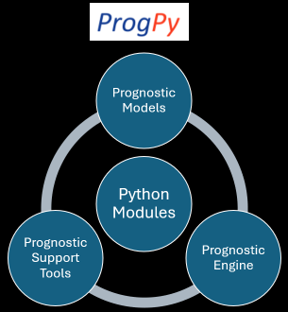
Starling
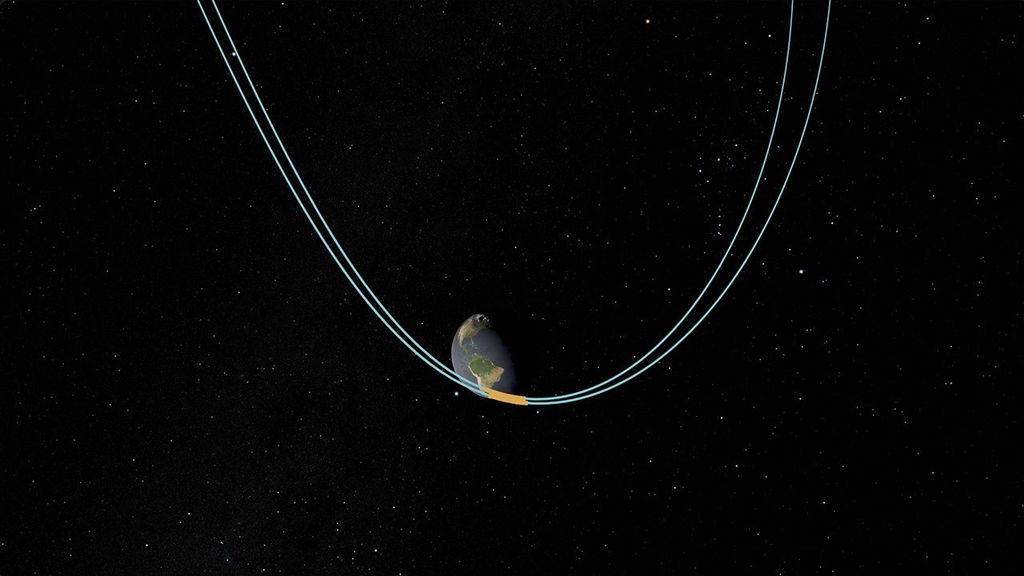
NASA’s Starling mission is advancing the readiness of various technologies for cooperative “swarms” of spacecraft to enable multipoint science data collection. The six-month mission is using four CubeSats in low-Earth orbit to test four technologies that let spacecraft operate in a synchronized manner without resources from the ground: swarm maneuver planning and execution, communications, relative navigation, and autonomous coordination between spacecraft. The Starling mission extension referred to as Starling 1.5 will demonstrate Space Traffic Management technologies for autonomously controlled constellations over nine months in 2024.
More on Starling
VIPER
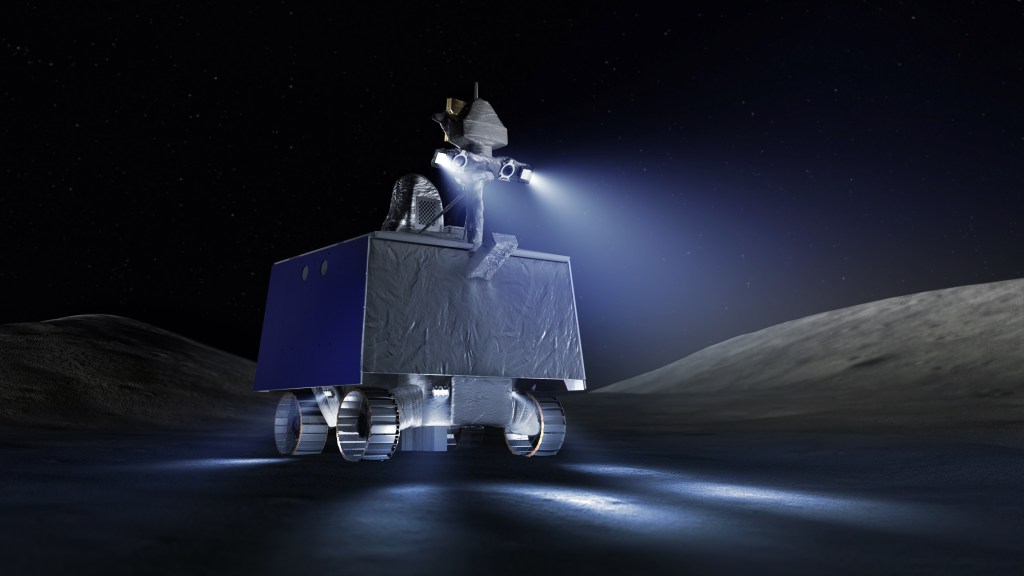
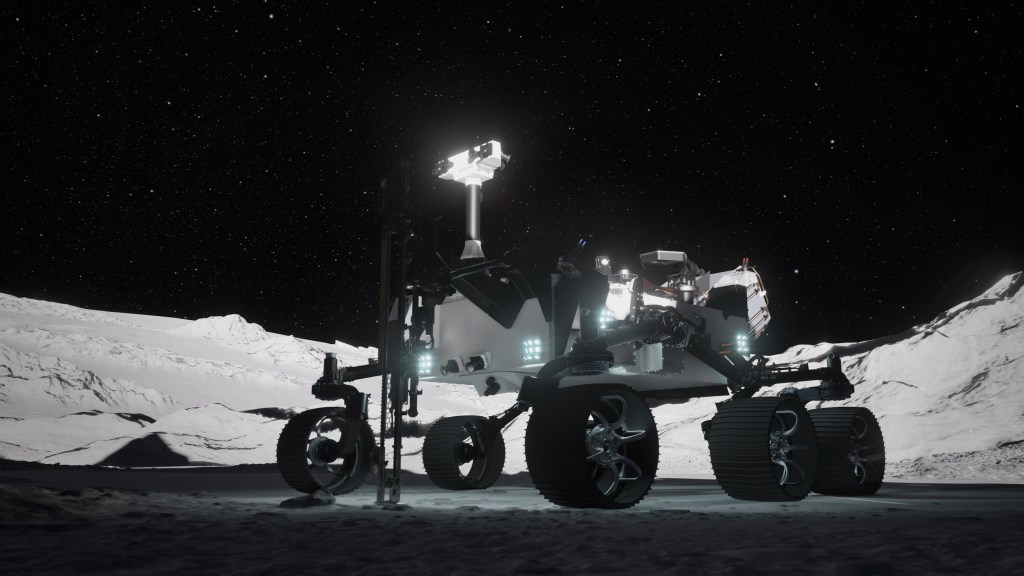
After landing near the Nobile Crater on the Moon, the Volatiles Investigating Polar Exploration Rover (VIPER) will travel to investigate a range of Ice Stability Regions (ISRs) across scales from hundreds of meters to kilometers and conduct a surface and subsurface assessment of lunar water and other volatiles. VIPER includes a suite of rover-mounted instruments (three spectrometers and a drill), which the VIPER Science Mission team will use to characterize the nature of the volatiles and to create global lunar water resource maps.
More on VIPER