
Historical Resources
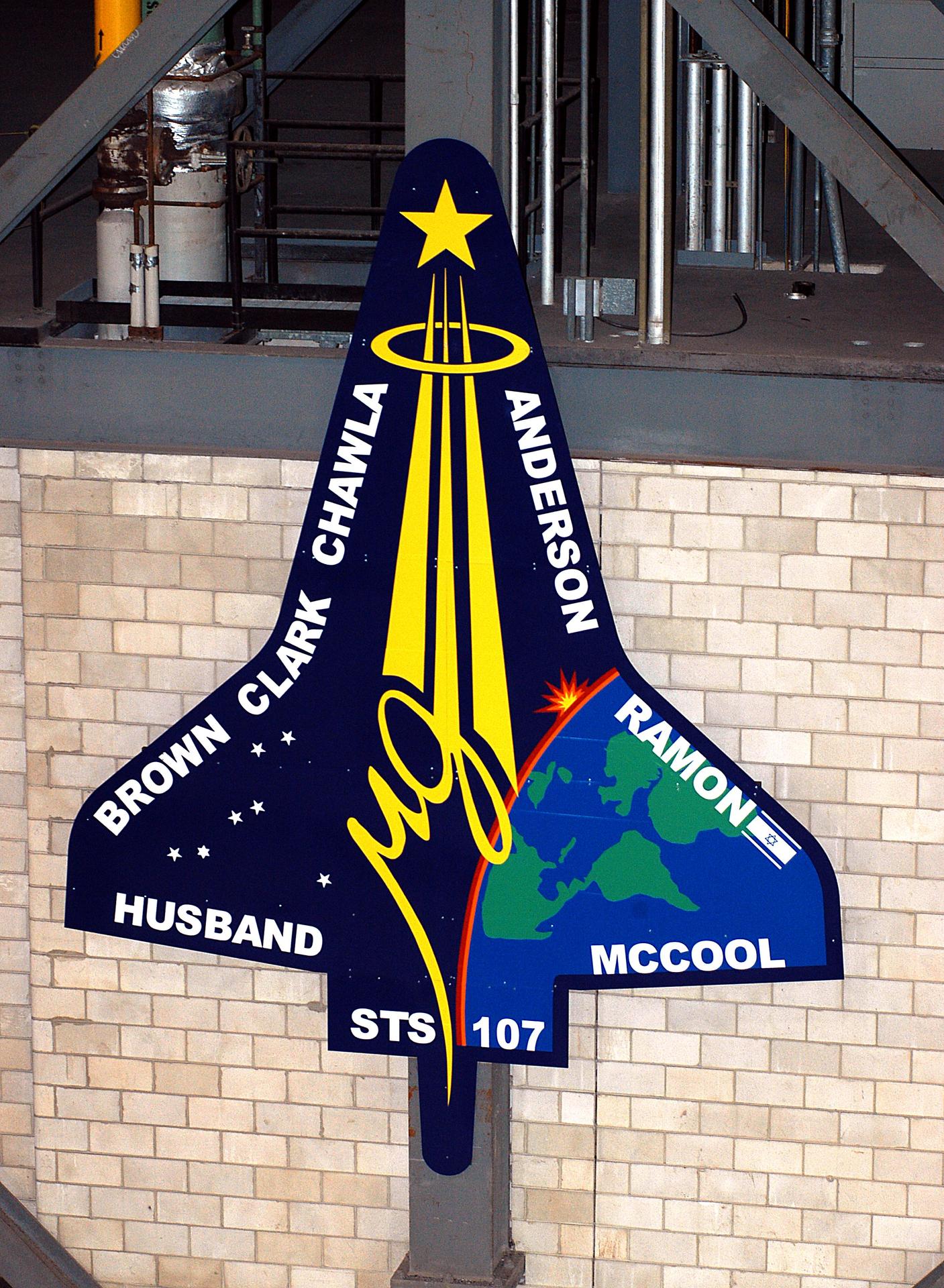
Remembering the Columbia STS-107 Mission
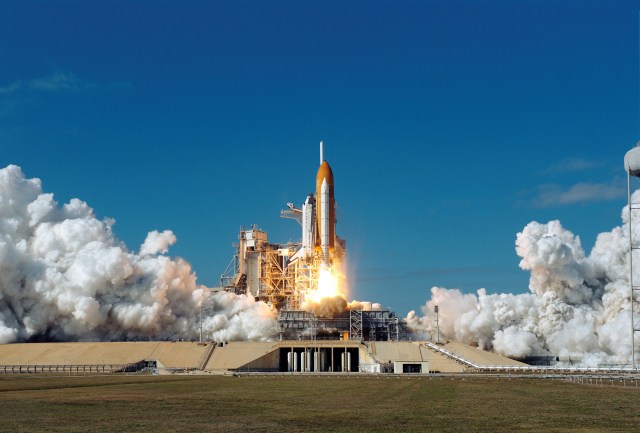
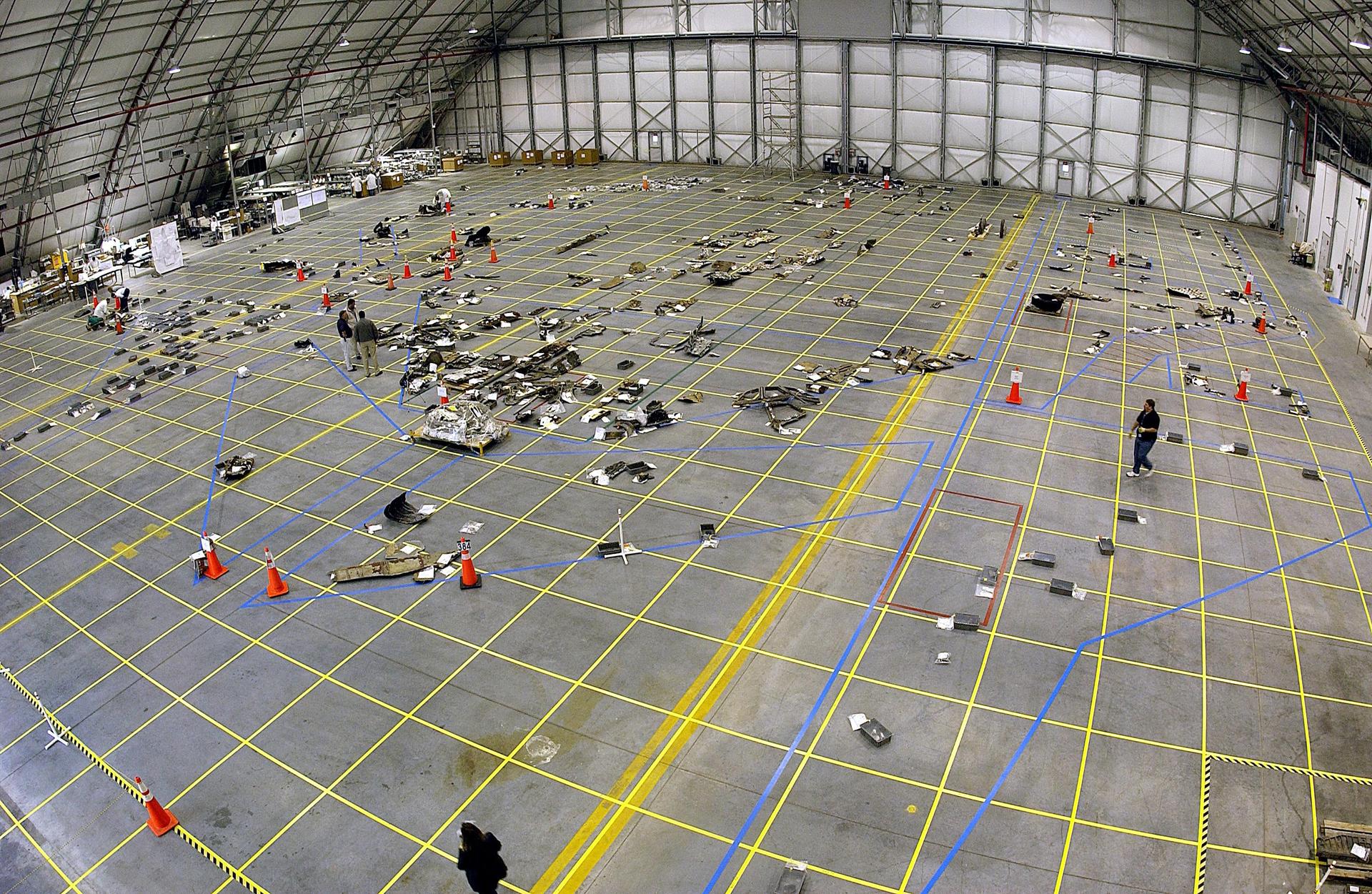
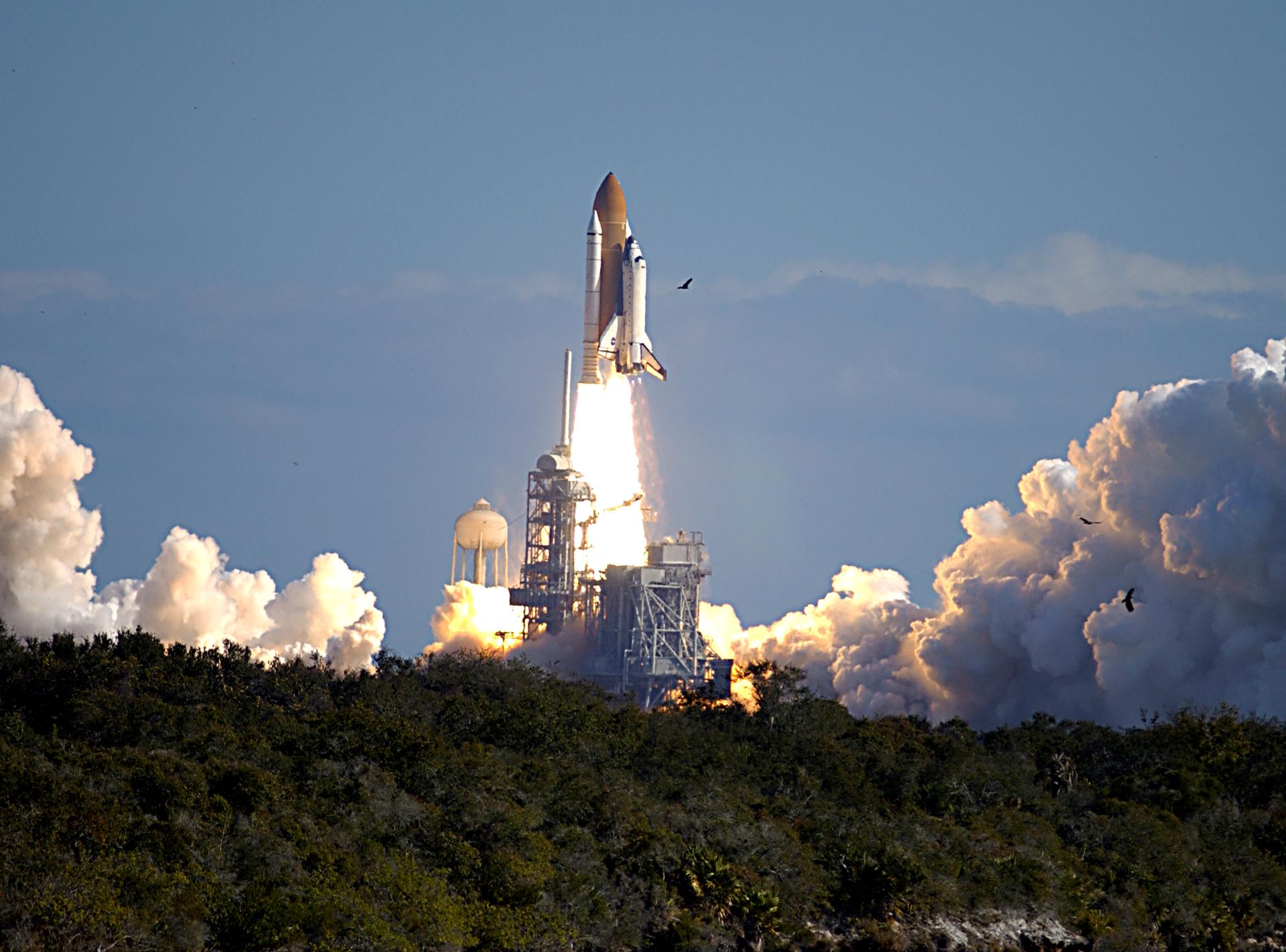
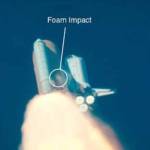
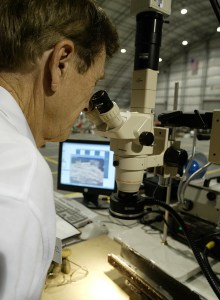
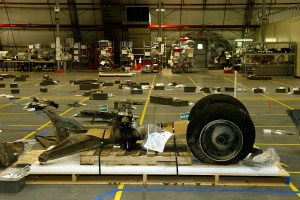
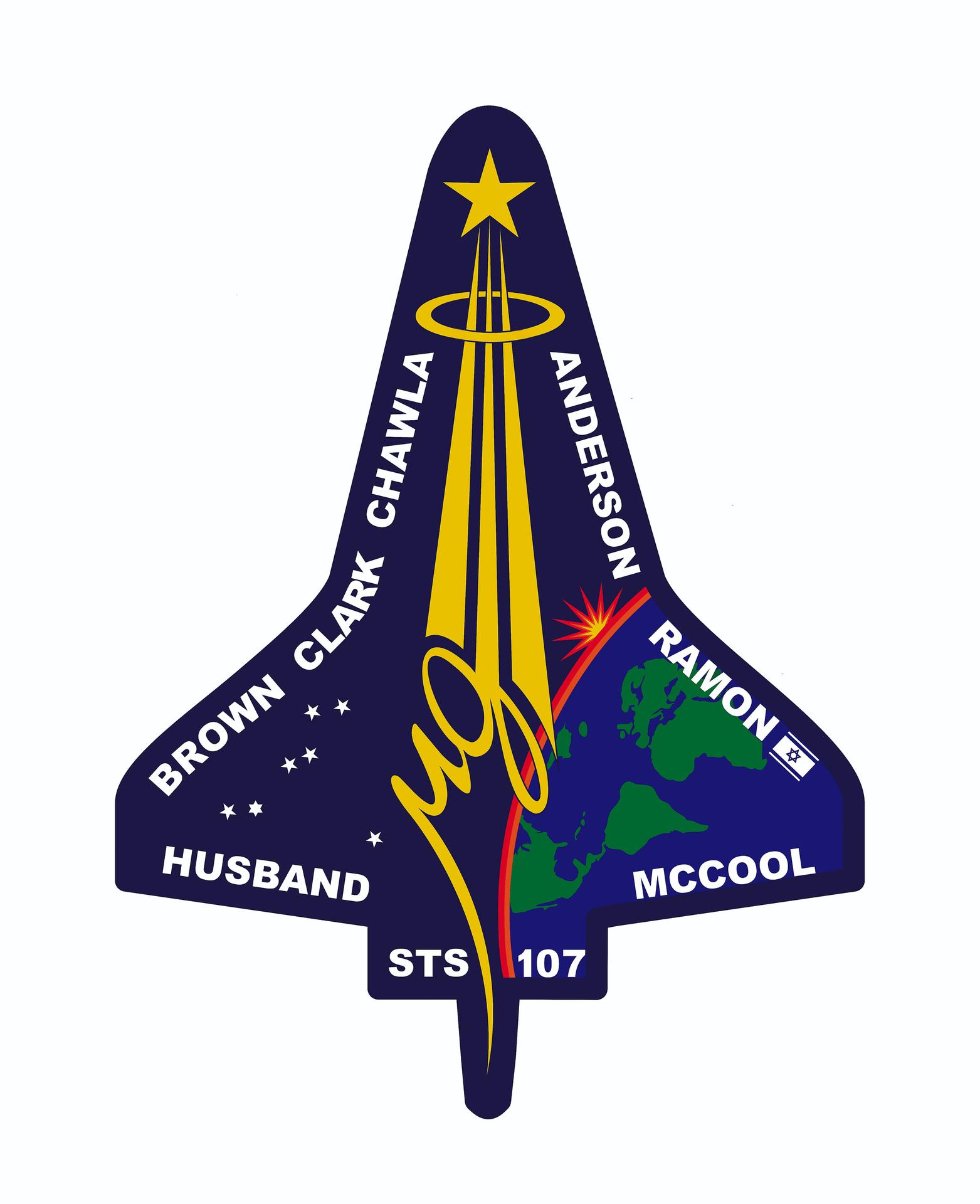
The Columbia STS-107 mission lifted off on January 16, 2003, for a 17-day science mission featuring numerous microgravity experiments. Upon reentering the atmosphere on February 1, 2003, the Columbia orbiter suffered a catastrophic failure due to a breach that occurred during launch when falling foam from the External Tank struck the Reinforced Carbon Carbon panels on the underside of the left wing. The orbiter and its seven crew members were lost approximately 15 minutes before Columbia was scheduled to touch down at Kennedy Space Center. This page presents information about the STS-107 flight, as well as information related to the accident and subsequent investigation by the formal Columbia Accident Investigation Board.
The STS-107 Crew
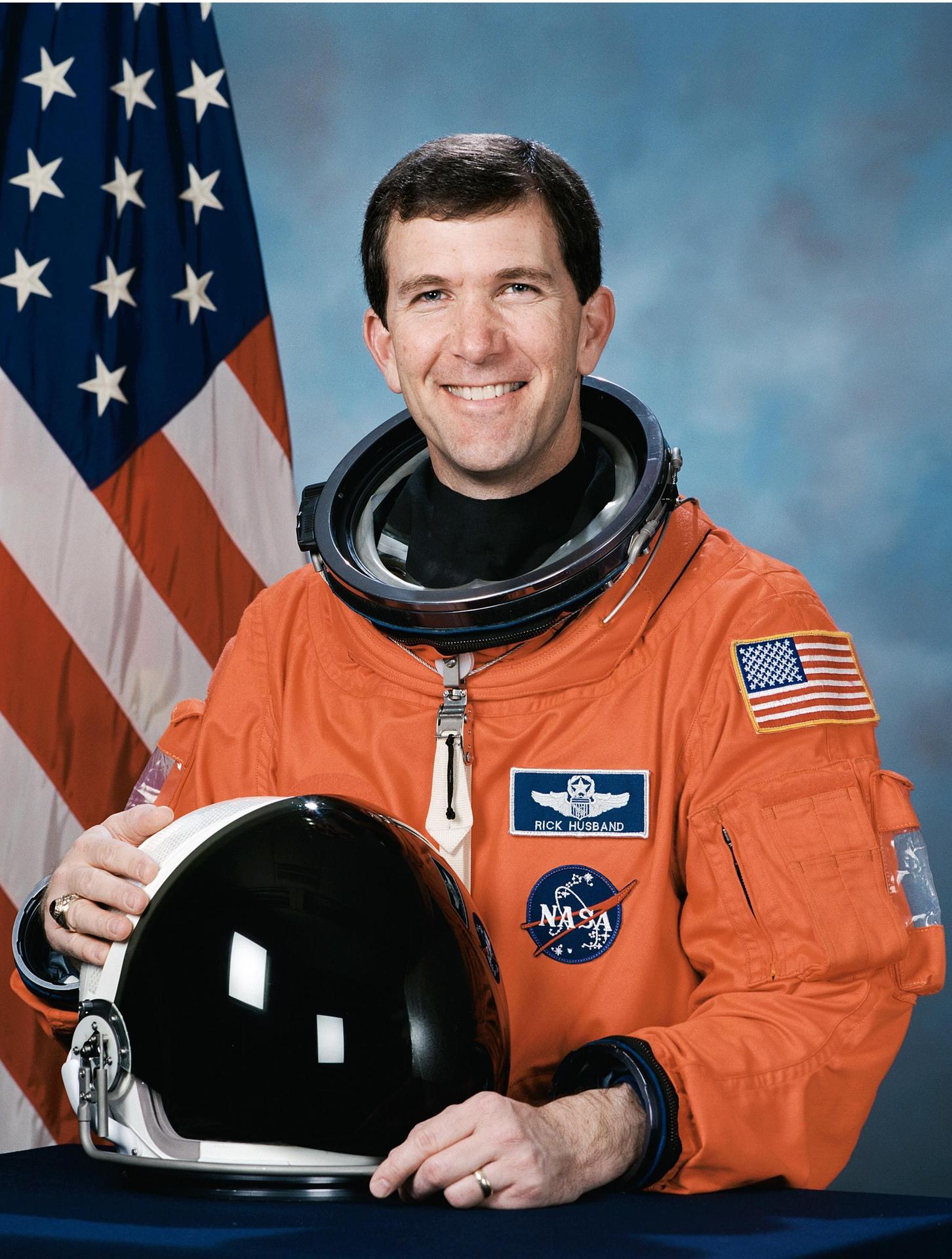
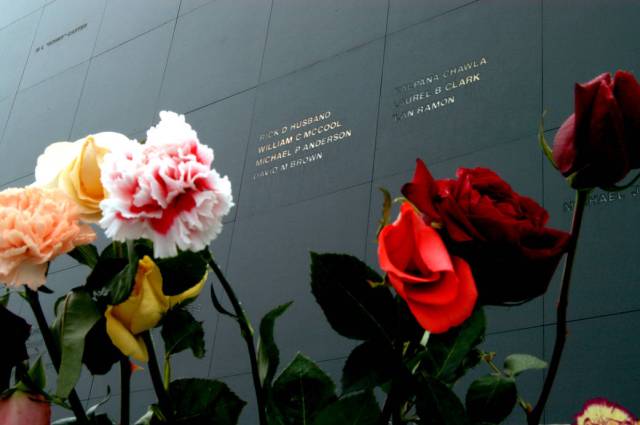
Rick D. Husband
Commander
Rick Husband, 45, a colonel in the U.S. Air Force, was a test pilot and veteran of one spaceflight. He served as commander for STS-107. Husband received a bachelor of science in mechanical engineering from Texas Tech University in 1980 and a master of science in mechanical engineering from California State University-Fresno in 1990. As commander, Husband was responsible for the overall conduct of the mission. During the mission, he maneuvered Columbia as part of several experiments in the shuttle’s payload bay that focused on the Earth and the Sun. He was also the senior member of the Red Team and worked with the following experiments: European Research In Space and Terrestrial Osteoporosis (ERISTO); Mediterranean Israeli Dust Experiment (MEIDEX); Osteoporosis Experiment in Orbit (OSTEO); the Physiology and Biochemistry Team (PhAB4) suite of experiments, which included Calcium Kinetics, Latent Virus Shedding, Protein Turnover and Renal Stone Risk; and Shuttle Ozone Limb Sounding Experiment (SOLSE-2).
Selected by NASA in December 1994, Husband served as the pilot of STS-96 in 1999 – a 10-day mission during which the crew performed the first docking with the International Space Station. Prior to STS-107, Husband logged more than 235 hours in space.
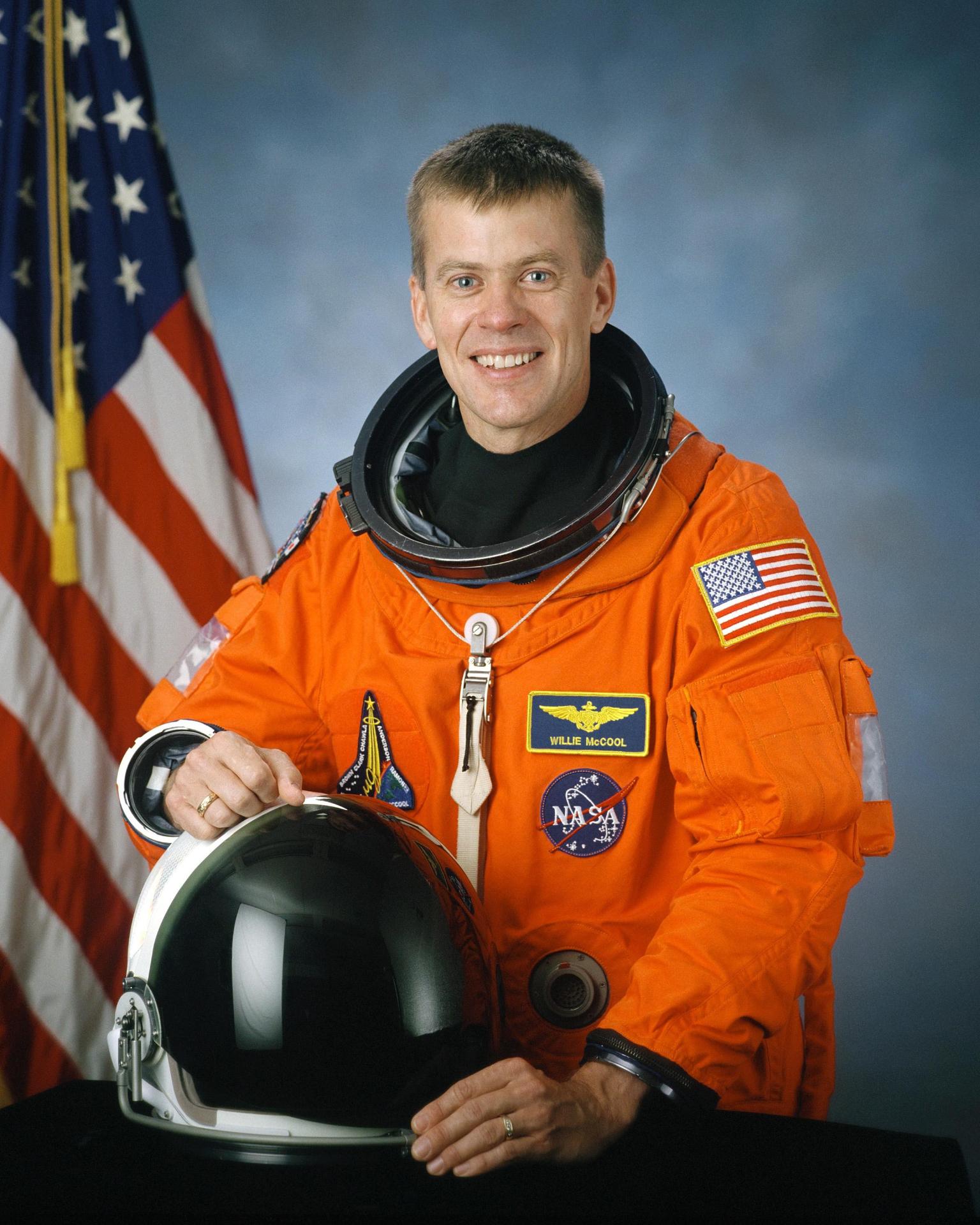
William C. McCool
Pilot
William C. McCool, 41, a commander in the U.S. Navy, was a former test pilot. He served as pilot for STS-107. He received a bachelor of science in applied science from the U.S. Naval Academy in 1983, a master of science in computer science from the University of Maryland in 1985, and a master of science in aeronautical engineering from the U.S. Naval Postgraduate School in 1992. McCool, as a member of the Blue Team, worked with the following experiments: European Space Agency (ESA) Advanced Respiratory Monitoring System (ARMS); ESA Biopack (eight experiments); Mediterranean Israeli Dust Experiment (MEIDEX); and the Physiology and Biochemistry Team (PhAB4) suite of experiments, which included Calcium Kinetics, Latent Virus Shedding, Protein Turnover and Renal Stone Risk. He was also responsible for maneuvering Columbia as part of several experiments mounted in the shuttle’s payload bay.
Selected by NASA in April 1996, McCool was making his first spaceflight.
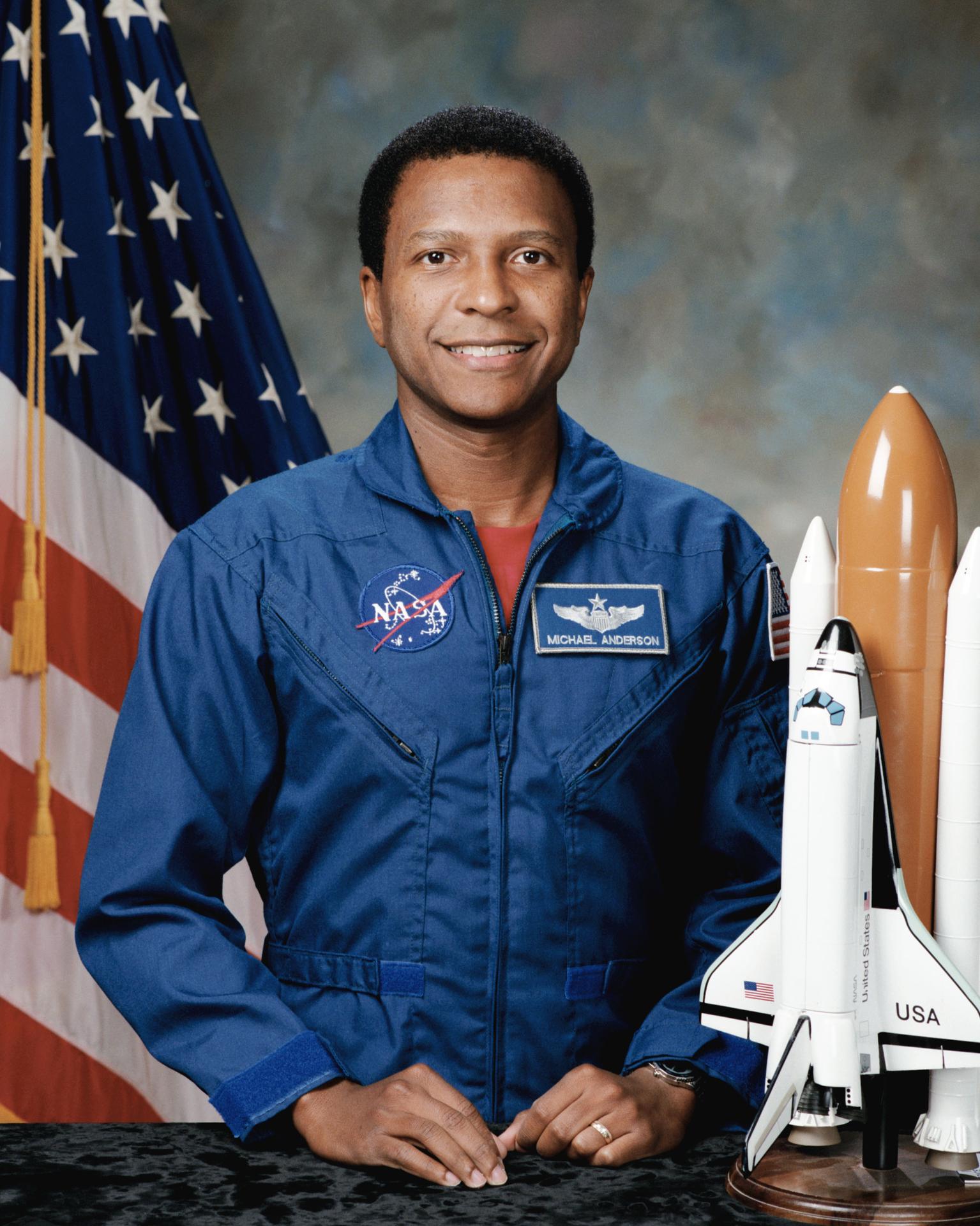
Michael P. Anderson
Payload Commander
Michael P. Anderson, 43, a lieutenant colonel in the U.S. Air Force, was a former instructor pilot and tactical officer, and a veteran of one spaceflight. He served as Payload Commander and Mission Specialist 3 for STS-107. As payload commander he was responsible for the success (management) of the science mission aboard STS-107. Anderson received a bachelor of science in physics/astronomy from University of Washington in 1981 and a master of science in physics from Creighton University in 1990. Anderson, as a member of the Blue Team, worked with the following experiments: European Space Agency Advanced Respiratory Monitoring System (ARMS); Combustion Module (CM-2), which included the Laminar Soot Processes (LSP), Water Mist Fire Suppression (MIST) and Structures of Flame Balls at Low Lewis-number (SOFBALL) experiments; Mediterranean Israeli Dust Experiment (MEIDEX); Mechanics of Granular Materials (MGM); and the Physiology and Biochemistry Team (PhAB4) suite of experiments, which included Calcium Kinetics, Latent Virus Shedding, Protein Turnover and Renal Stone Risk.
Selected by NASA in December 1994, Anderson flew on STS-89 in 1998 – the eighth Shuttle-Mir docking mission. Prior to STS-107, Anderson logged over 211 hours in space.
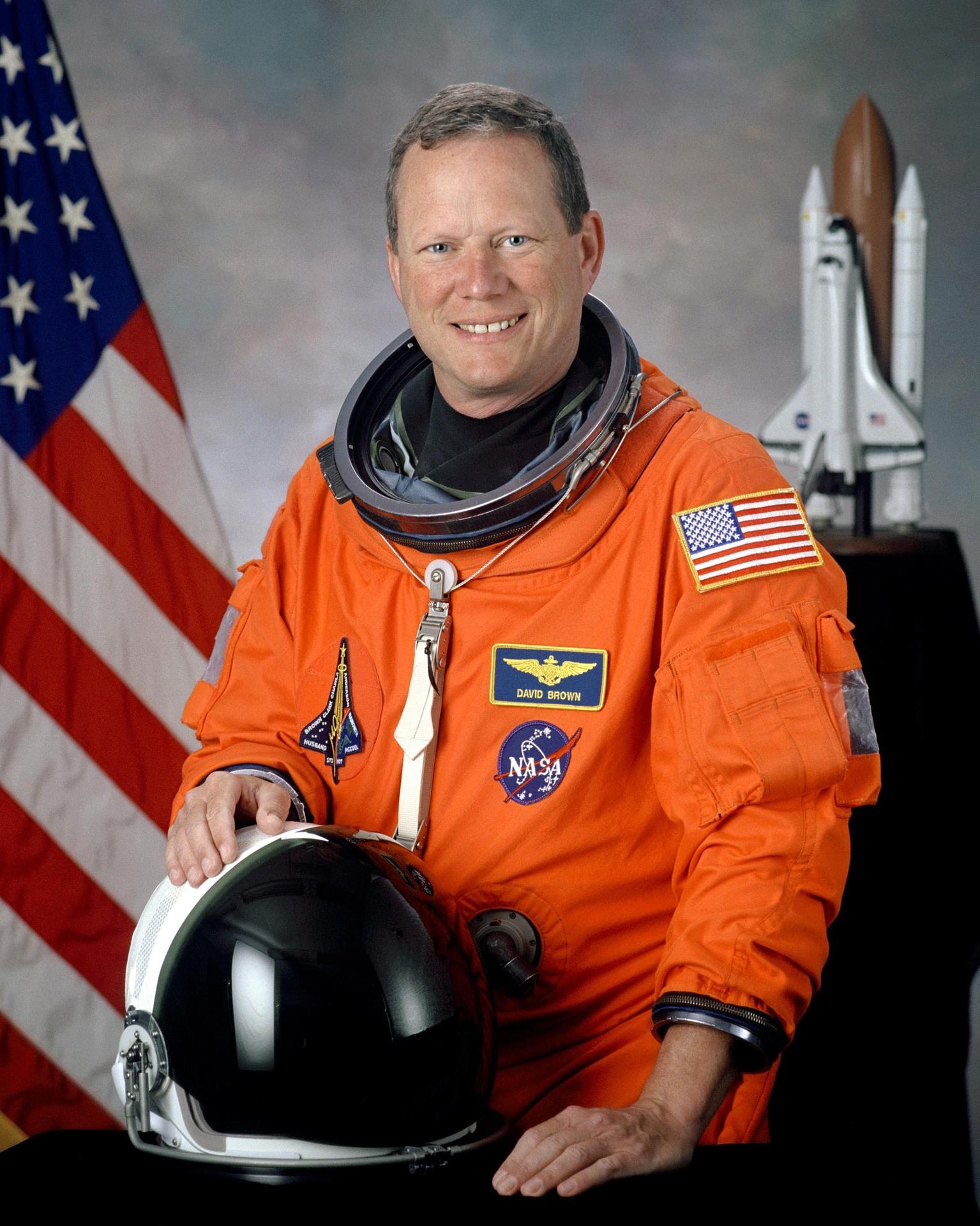
David Brown
Mission Specialist 1
David M. Brown, 46, a captain in the U.S. Navy, was a naval aviator and flight surgeon. He served as Mission Specialist 1 for STS-107. Brown received a bachelor of science in biology from the College of William and Mary in 1978 and a doctorate in medicine from Eastern Virginia Medical School in 1982. Brown, as a member of the Blue Team, worked with the following experiments: European Space Agency Advanced Respiratory Monitoring System (ARMS); Combustion Module (CM-2), which included the Laminar Soot Processes (LSP), Water Mist Fire Suppression (MIST) and Structures of Flame Balls at Low Lewis-number (SOFBALL) experiments; Mediterranean Israeli Dust Experiment (MEIDEX); and the Physiology and Biochemistry Team (PhAB4) suite of experiments, which included Calcium Kinetics, Latent Virus Shedding, Protein Turnover and Renal Stone Risk.
Selected by NASA in April 1996, Brown was making his first spaceflight.
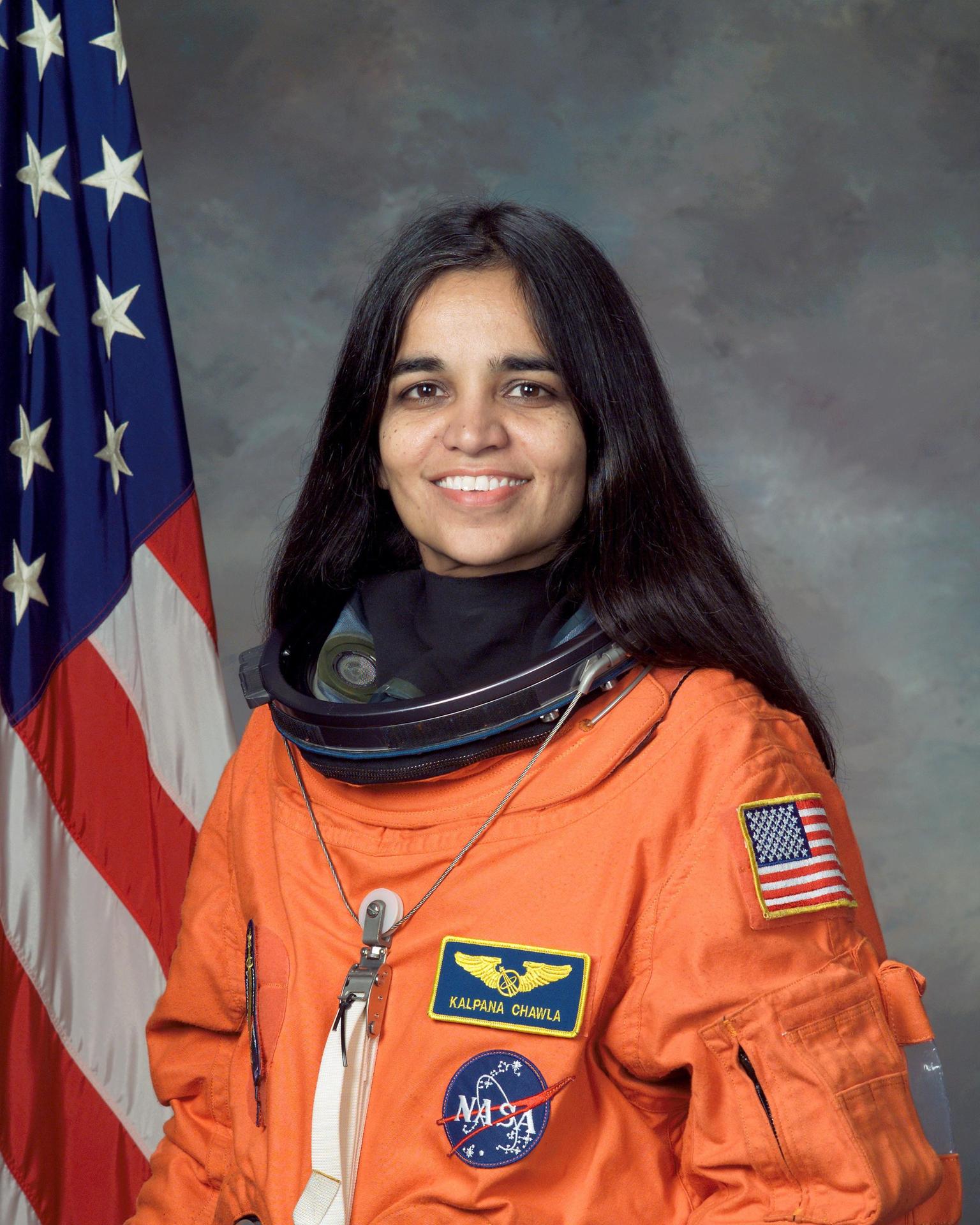
Kalpana Chawla
Mission Specialist 2
Kalpana Chawla, 41, was an aerospace engineer and an FAA Certified Flight Instructor. Chawla served as Flight Engineer and Mission Specialist 2 for STS-107. She received a bachelor of science in aeronautical engineering from Punjab Engineering College, India, in 1982, a master of science in aerospace engineering from the University of Texas-Arlington in 1984, and a doctorate in aerospace engineering from the University of Colorado-Boulder in 1988. As a member of the Red Team, Chawla, with CDR Rick Husband, was responsible for maneuvering Columbia as part of several experiments in the shuttle’s payload bay. Chawla also worked with the following experiments: Astroculture (AST); Advanced Protein Crystal Facility (APCF); Commercial Protein Crystal Growth (CPCG_PCF); Biotechnology Demonstration System (BDS); ESA Biopack (eight experiments); Combustion Module (CM-2), which included the Laminar Soot Processes (LSP), Water Mist Fire Suppression (MIST) and Structures of Flame Balls at Low Lewisnumber (SOFBALL) experiments; Mechanics of Granular Materials (MGM); Vapor Compression Distillation Flight Experiment (VCD FE); and the Zeolite Crystal Growth Furnace (ZCG).
Selected by NASA in December 1994, Chawla was the prime robotic arm operator on STS-87 in 1997, the fourth U.S. Microgravity Payload flight. STS-87 focused on how the weightless environment of space affects various physical processes. Prior to STS-107, Chawla logged more than 376 hours in space.
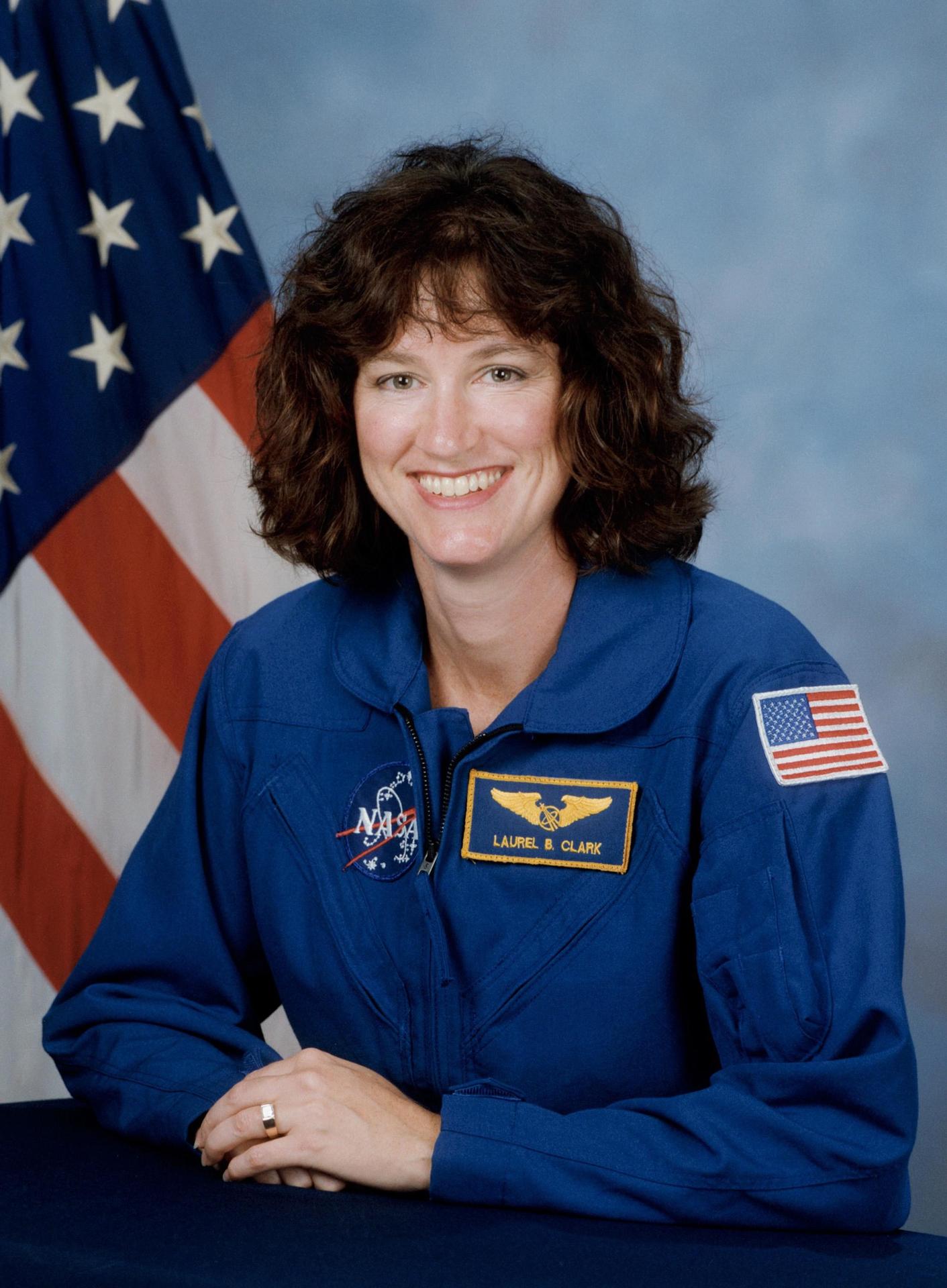
Laurel Blair Salton Clark
Mission Specialist
Laurel Clark, 41, a commander (captain-select) in the U.S. Navy and a naval flight surgeon, was Mission Specialist 4 on STS-107. Clark received a bachelor of science in zoology from the University of Wisconsin-Madison in 1983 and a doctorate in medicine from the same school in 1987. Clark, as a member of the Red Team, worked with the following experiments: European Space Agency (ESA) Advanced Respiratory Monitoring System (ARMS); Astroculture (AST-1 and 2); Biotechnology Demonstration System (BDS); ESA Biopack (eight experiments); Application of Physical & Biological Techniques to Study the Gravisensing and Response System of Plants: Magnetic Field Apparatus (Biotube-MFA); Closed Equilibrated Biological Aquatic System (CEBAS); Commercial ITA Biological Experiments (CIBX); the Microbial Physiology Flight Experiments Team (MPFE) experiments, which included the Effects of Microgravity on Microbial Physiology and Spaceflight Effects on Fungal Growth, Metabolism and Sensitivity to Antifungal Drugs; Osteoporosis Experiment in Orbit (OSTEO); the Physiology and Biochemistry Team (PhAB4) suite of experiments, which included Calcium Kinetics, Latent Virus Shedding, Protein Turnover and Renal Stone Risk; Sleep-Wake Actigraphy and Light Exposure During Spaceflight (SLEEP); and the Vapor Compression Distillation Flight Experiment (VCD FE).
Selected by NASA in April 1996, Clark was making her first spaceflight.
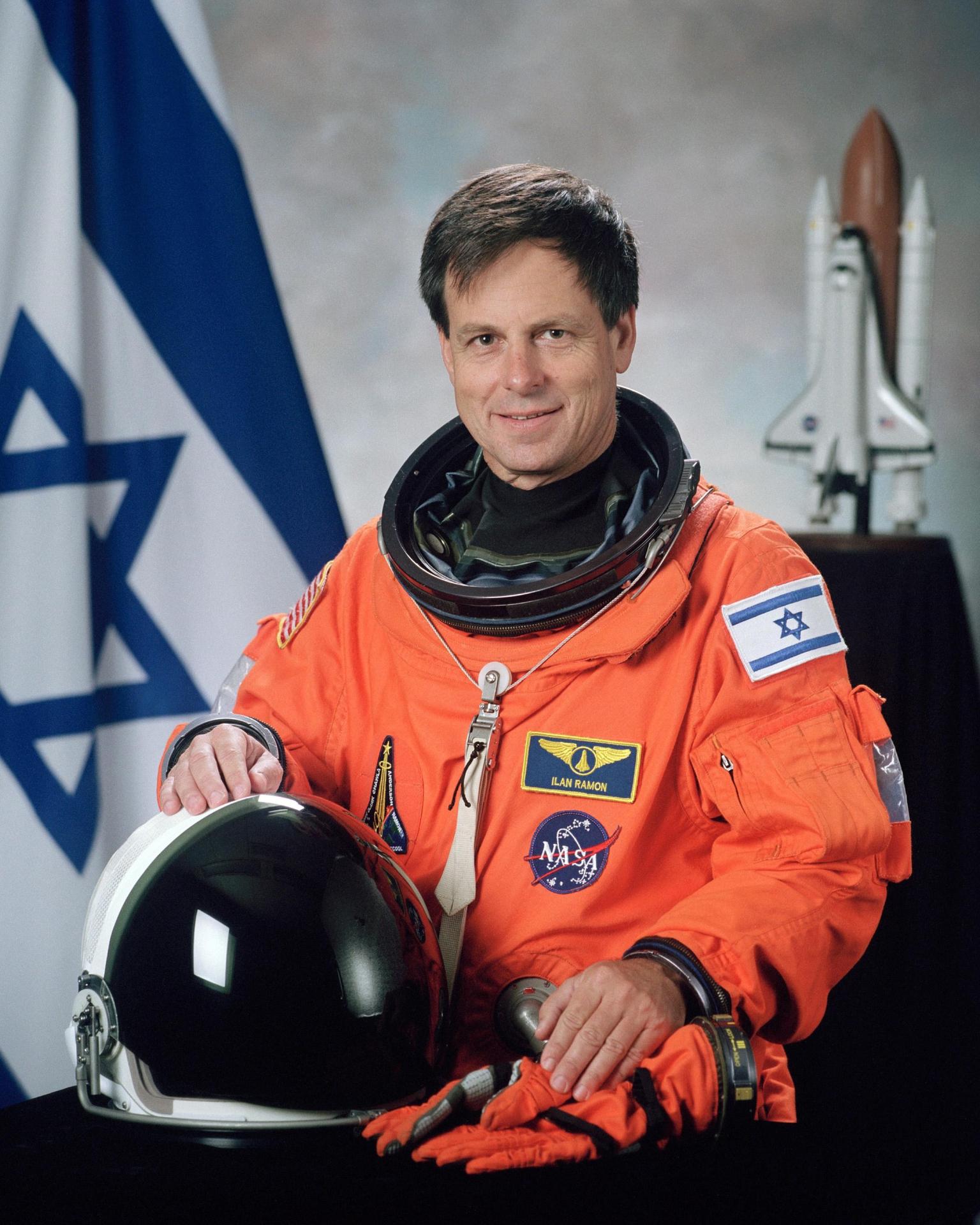
Ilan Ramon
Payload Specialist 1
Ilan Ramon, 48, a colonel in the Israeli Air Force, was a fighter pilot who was the only payload specialist on STS-107. Ramon received a bachelor of science in electronics and computer engineering from the University of Tel Aviv, Israel, in 1987. Ramon, as a member of the Red Team, was the prime crewmember for the Mediterranean Israeli Dust Experiment (MEIDEX), a multispectral camera that measured small dust particles (dust aerosols) in the atmosphere over the Mediterranean and the Saharan coast of the Atlantic. He worked with the following experiments: European Space Agency Advanced Respiratory Monitoring System (ARMS); Astroculture (AST-1 and 2); Biological Research in Canister – Development of Gravity Sensitive Plant Cells in Microgravity (BRIC); Combustion Module (CM-2), which included the Laminar Soot Processes (LSP), Water Mist Fire Suppression (MIST) and Structures of Flame Balls at Low Lewis-number (SOFBALL) experiments; the Microbial Physiology Flight Experiments Team (MPFE) experiments, which included the Effects of Microgravity on Microbial Physiology and Spaceflight Effects on Fungal Growth, Metabolism and Sensitivity to Anti-fungal Drugs; the Physiology and Biochemistry Team (PhAB4) suite of experiments, which included Calcium Kinetics, Latent Virus Shedding, Protein Turnover and Renal Stone Risk; and Space Technology and Research Students Bootes (STARS Bootes).
Ramon was selected as a Payload Specialist by the Israeli Air Force in 1997 and approved by NASA in 1998. He reported for training at the NASA Johnson Space Center in Houston in July 1998 and was making his first spaceflight.

STS-107
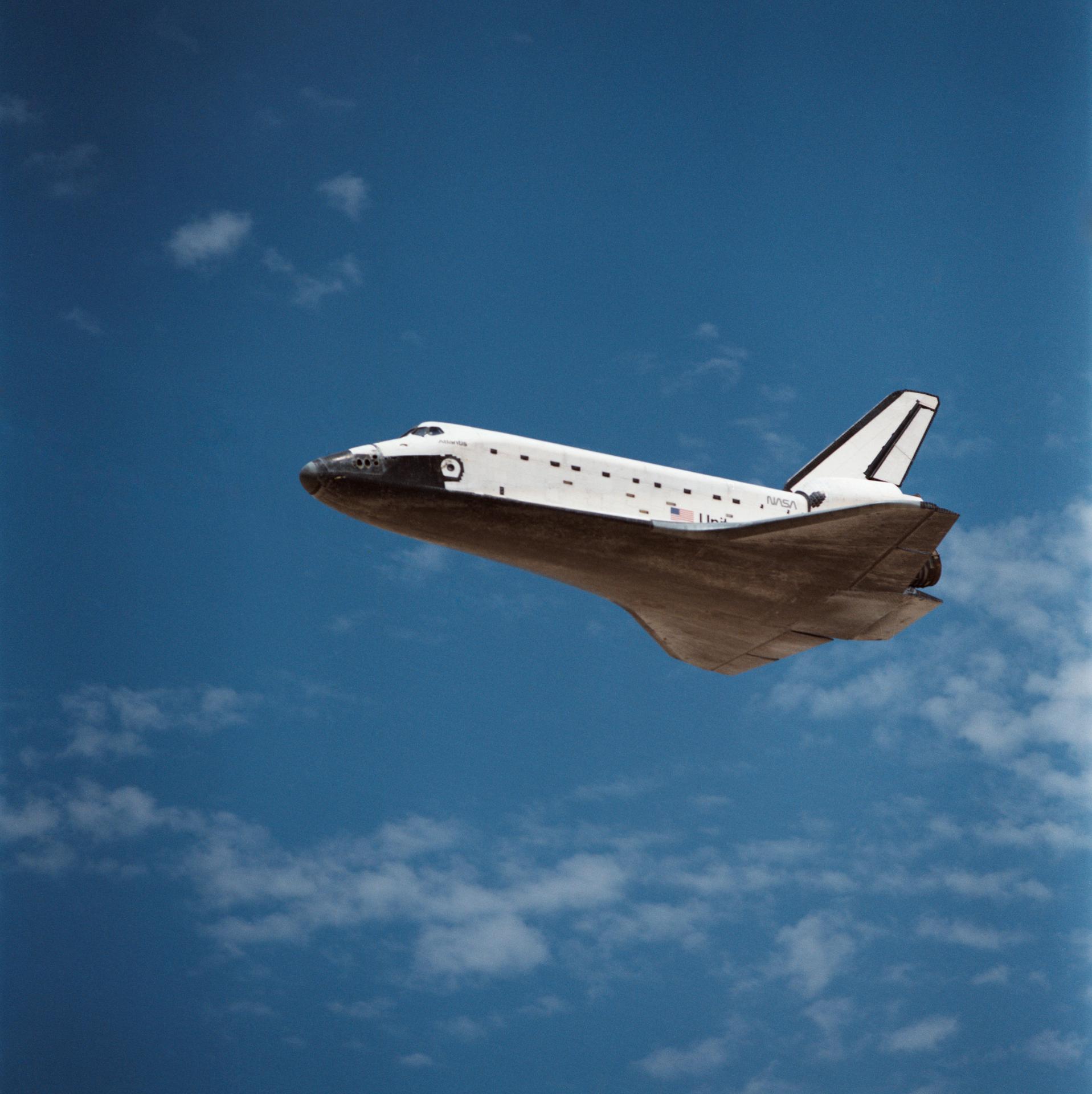
The first shuttle mission in 2003, STS-107 mission marked the 113th flight overall in NASA's Space Shuttle program and the 28th flight of the Space Shuttle Orbiter Columbia. While en…
Learn More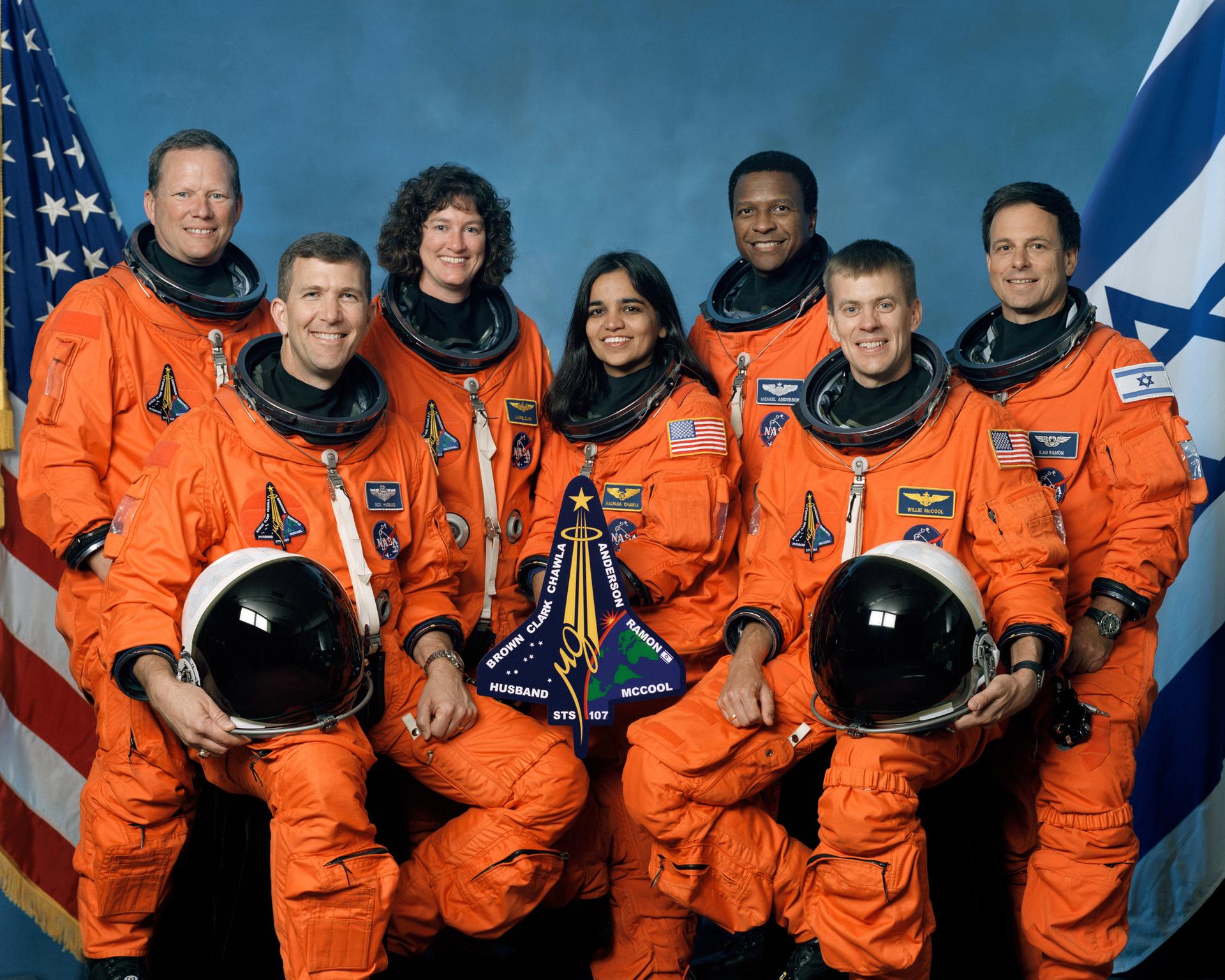
Timelines
Columbia Chronology
This chronology outlines some of the major accident-related flight events of STS-107. It was compiled by Jennifer Troxell in the NASA History Office from the Columbia Accident Investigation Board (CAIB) Report Volume 1, the CAIB STS-107 Mishap Investigation-Master Time Line, and the Statement for the Record of Administrator Sean O’Keefe, NASA Administrator, at a joint session of the House Committee on Science Subcommittee on Space and Aeronautics and Senate Committee on Commerce, Science, and Transportation on February 12, 2003.
Summary Timeline-Rev 15
The STS-107 Timeline-Rev 15 outlines the reentry progress of the Space Shuttle Columbia. It was created by the NASA/CAIB Integrated Time Line Team and was used by the CAIB in recreating and analyzing the accident. It is incredibly detailed and is color-coded for nominal and off-nominal events. It originally appeared on the CAIB Web site.
Master Timeline-Rev 15
The STS-107 Timeline-Rev 15 outlines the reentry progress of the Space Shuttle Columbia. It was created by the NASA/CAIB Integrated Time Line Team and was used by the CAIB in recreating and analyzing the accident. It is incredibly detailed and is color-coded for nominal and off-nominal events. It originally appeared on the CAIB Web site.
Ground Track, Events Summary, and Sighting Data
This document was created based on the STS-107 Timeline-Rev 15. It originally appeared on the CAIB website. An acronym list for this report also originally appeared on the CAIB Web site.
Columbia Accident Investigation Documents
NASA's Johnson Space Center FOIA library includes a collection of documents relating to the Columbia Accident Investigation.
Visit the Collection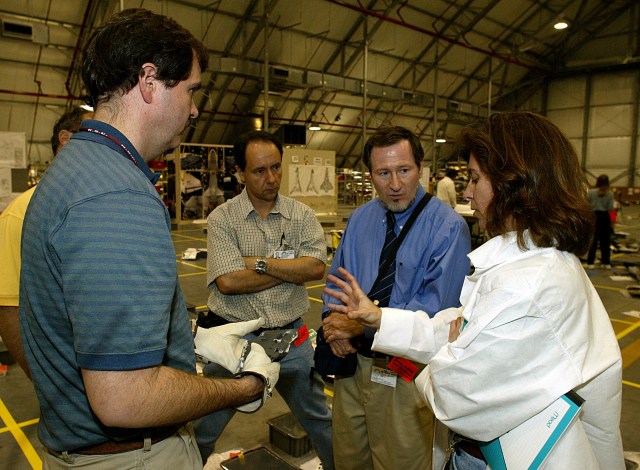
Documents
Congressional Documents
Executive Branch Documents
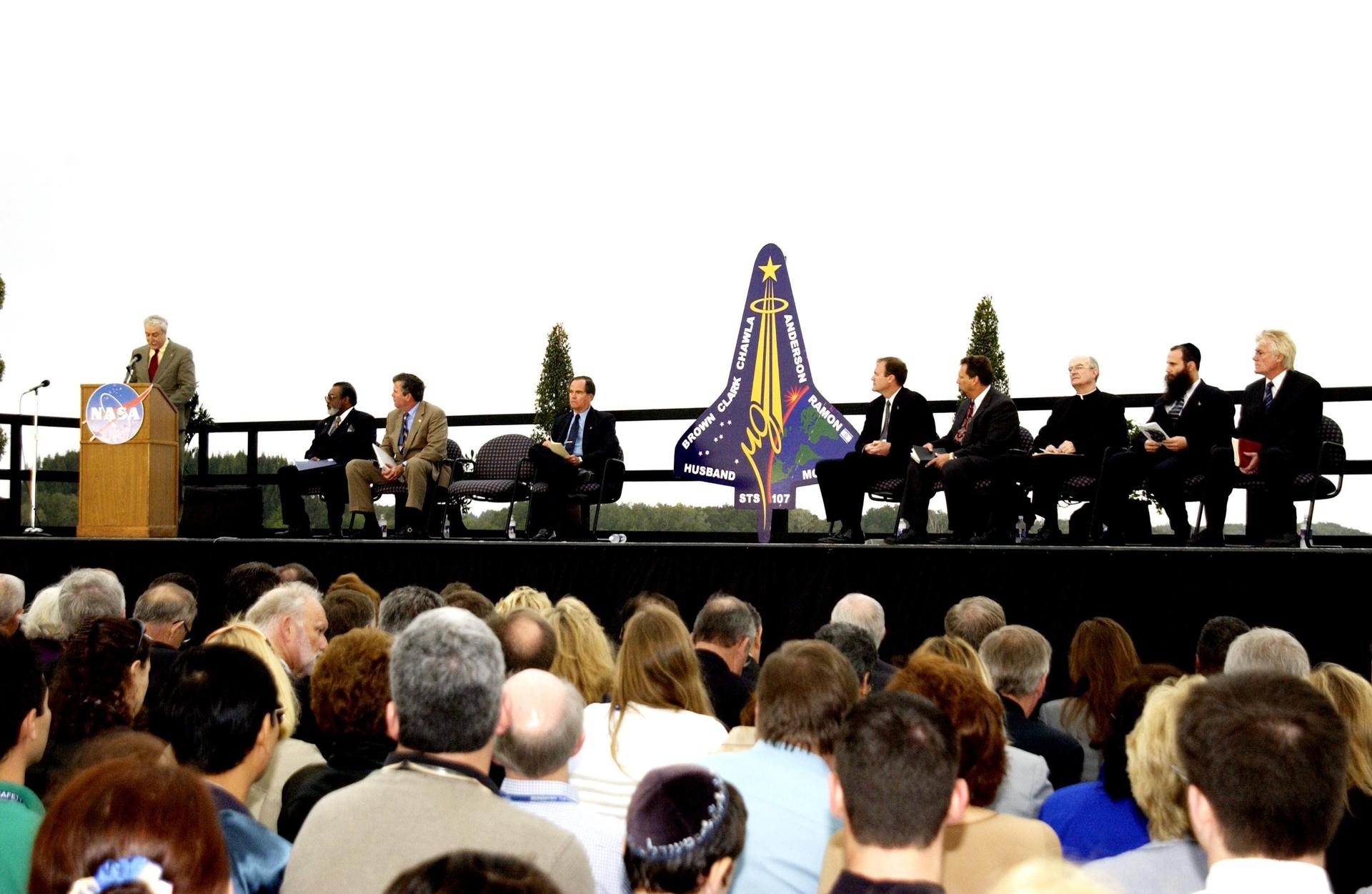
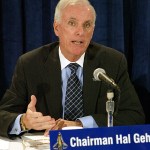
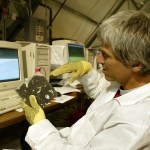
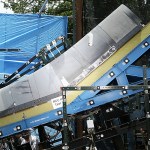
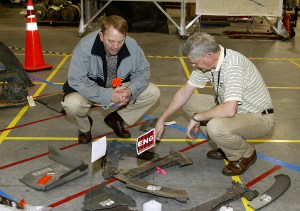
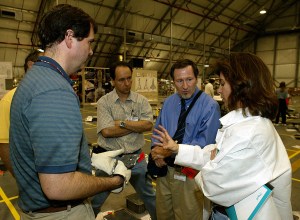
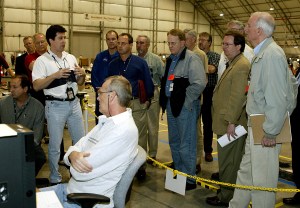
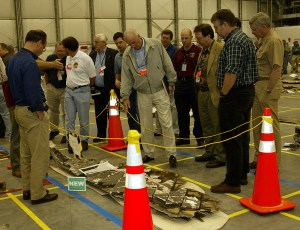
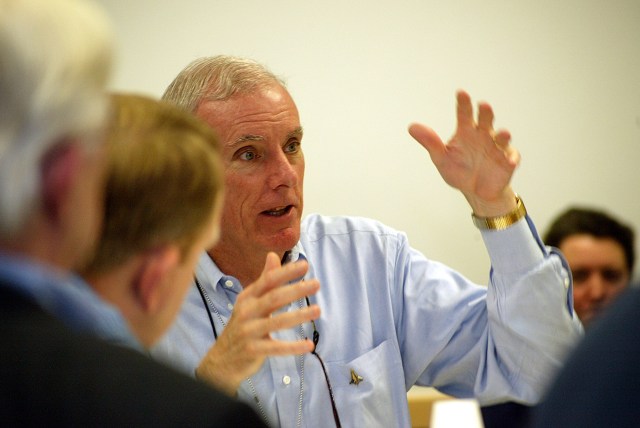
The Columbia Accident Investigation Board (CAIB)
Columbia Accident Investigation Board
Bibliographies
Related Links
Explore NASA's media galleries to view and download high-resolution images of the solar system, agency missions, and more.
The STS-107 Press Kit
This press kit was given out prior to the STS-107 mission and outlines the scientific research conducted.

Apollo 1 (204)
Information regarding the mission, crew, and investigation of the Apollo 1 accident.
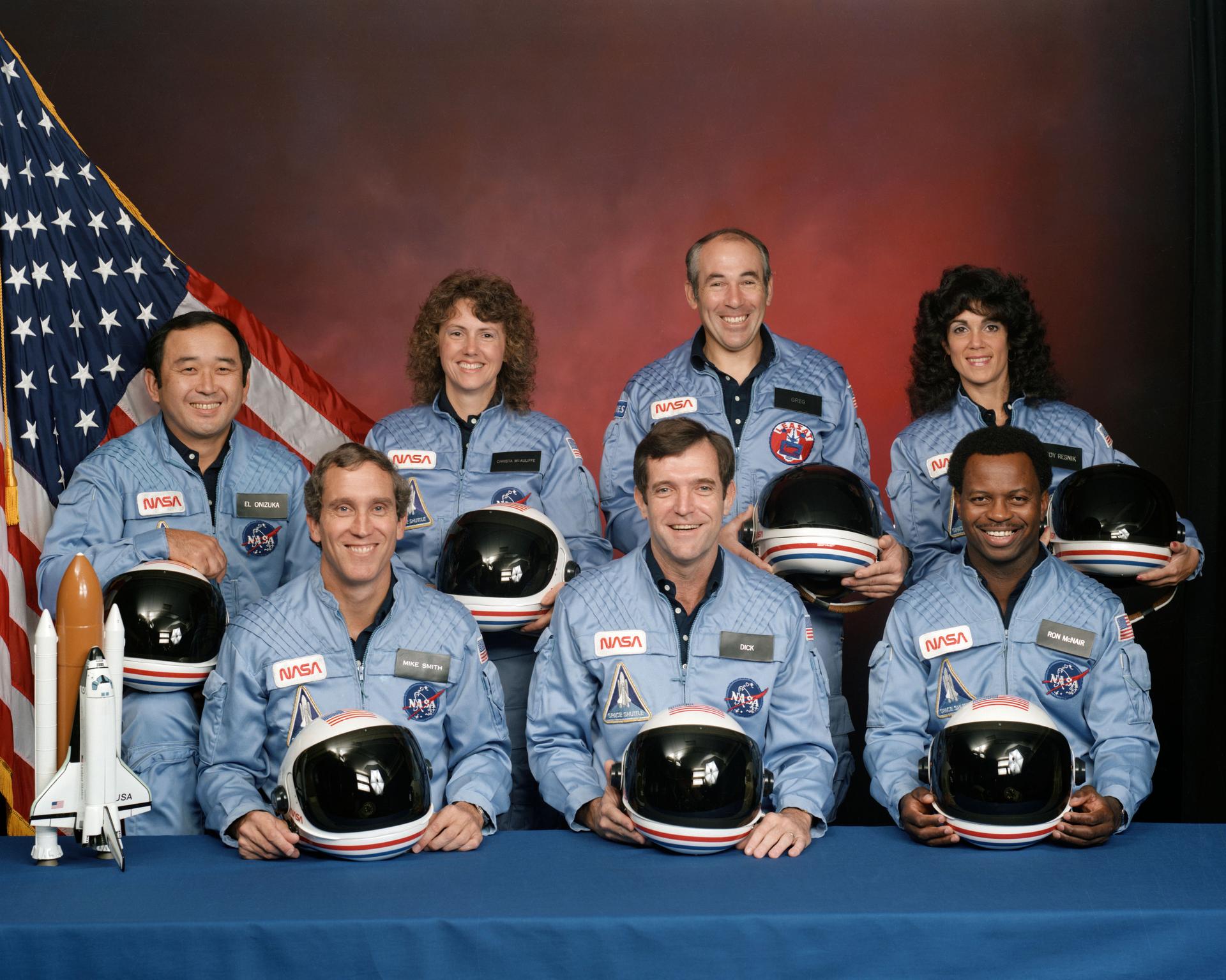
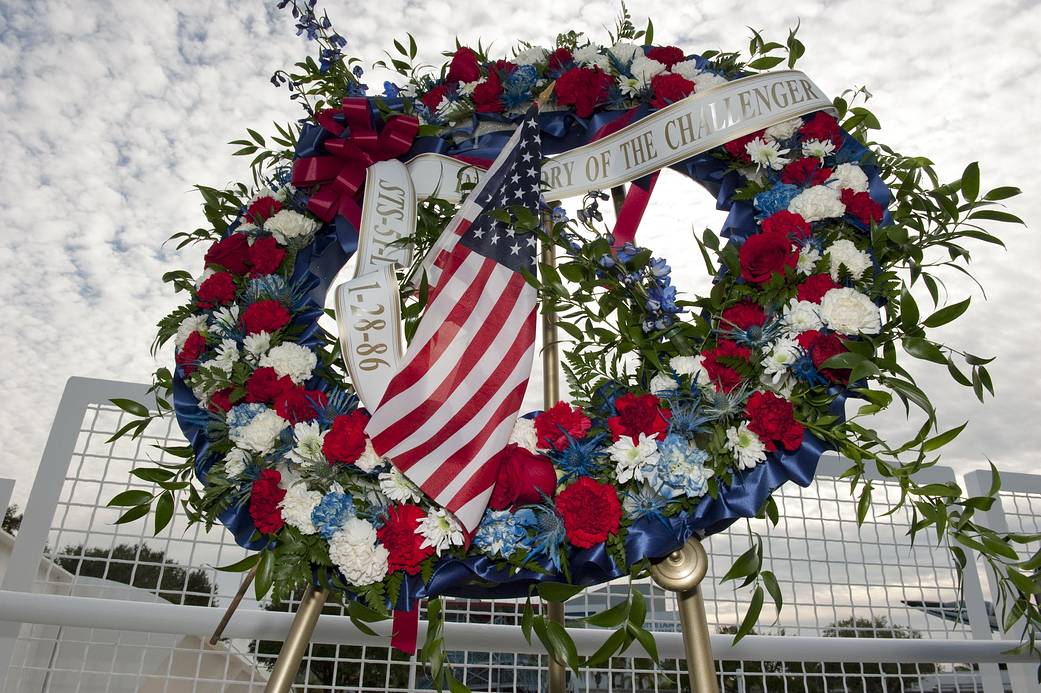
The STS-51L Challenger Accident
Information regarding the mission, crew, and investigation of the STS-51L accident.
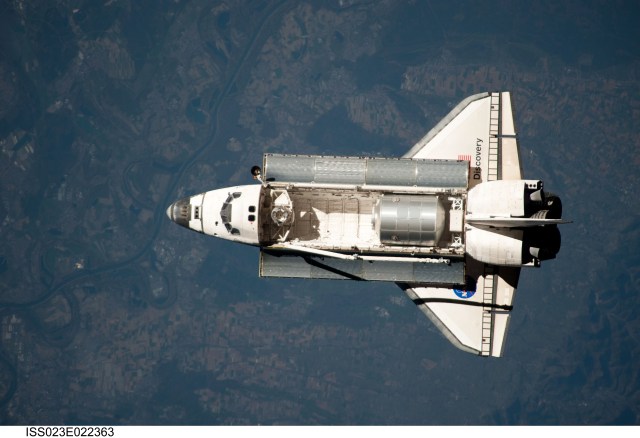
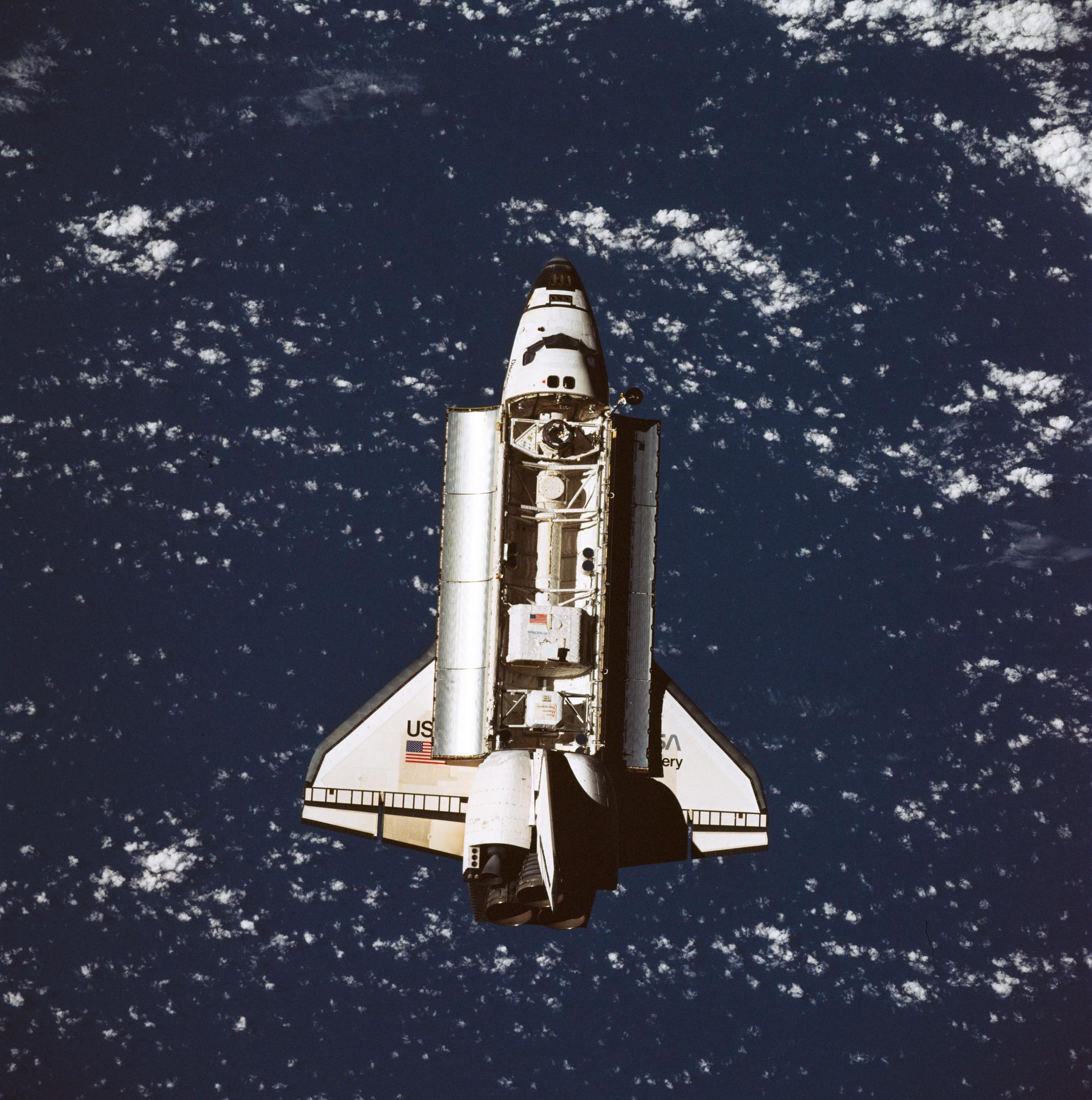
History of the Space Shuttle
General space shuttle information from the NASA History Office.
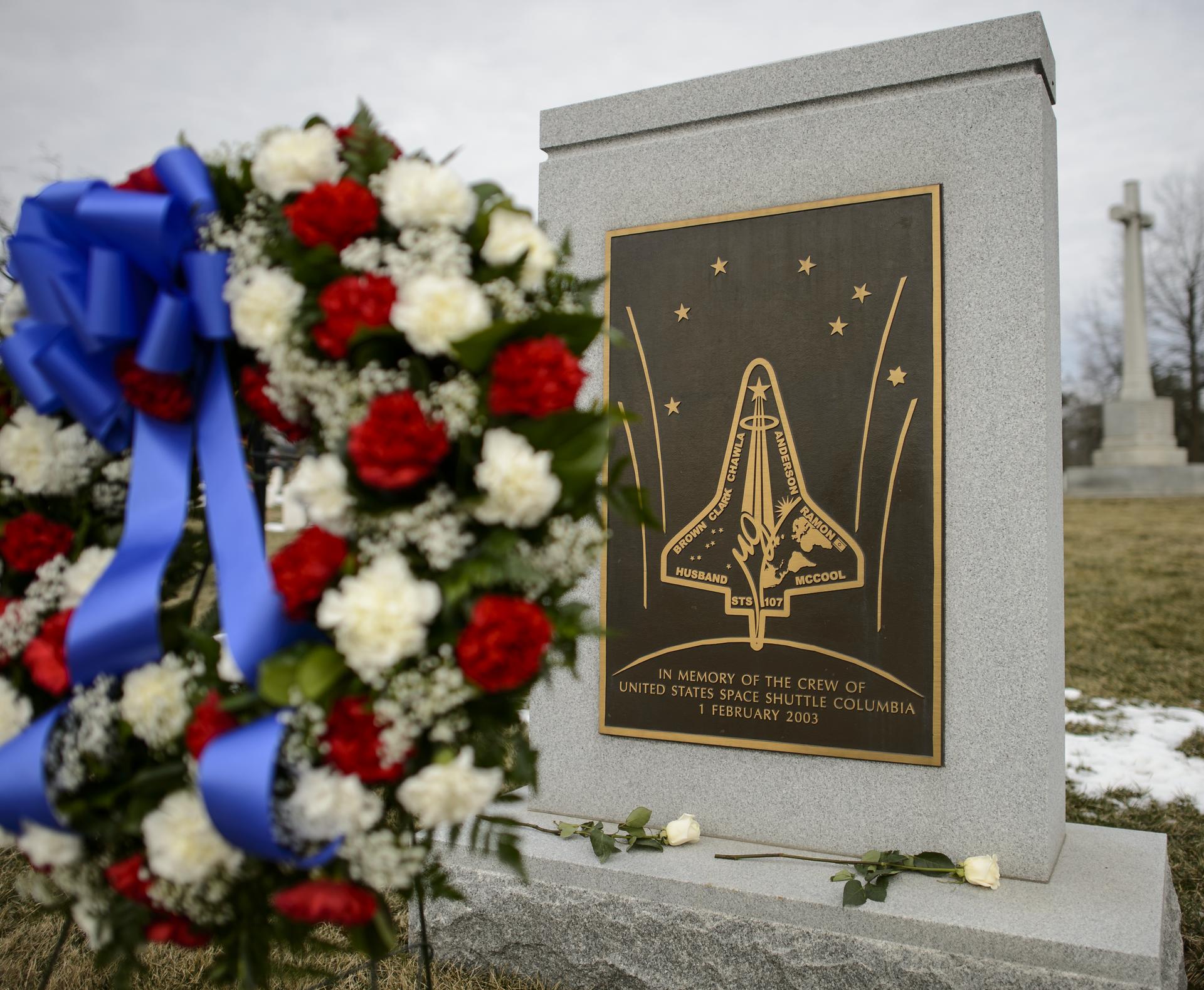
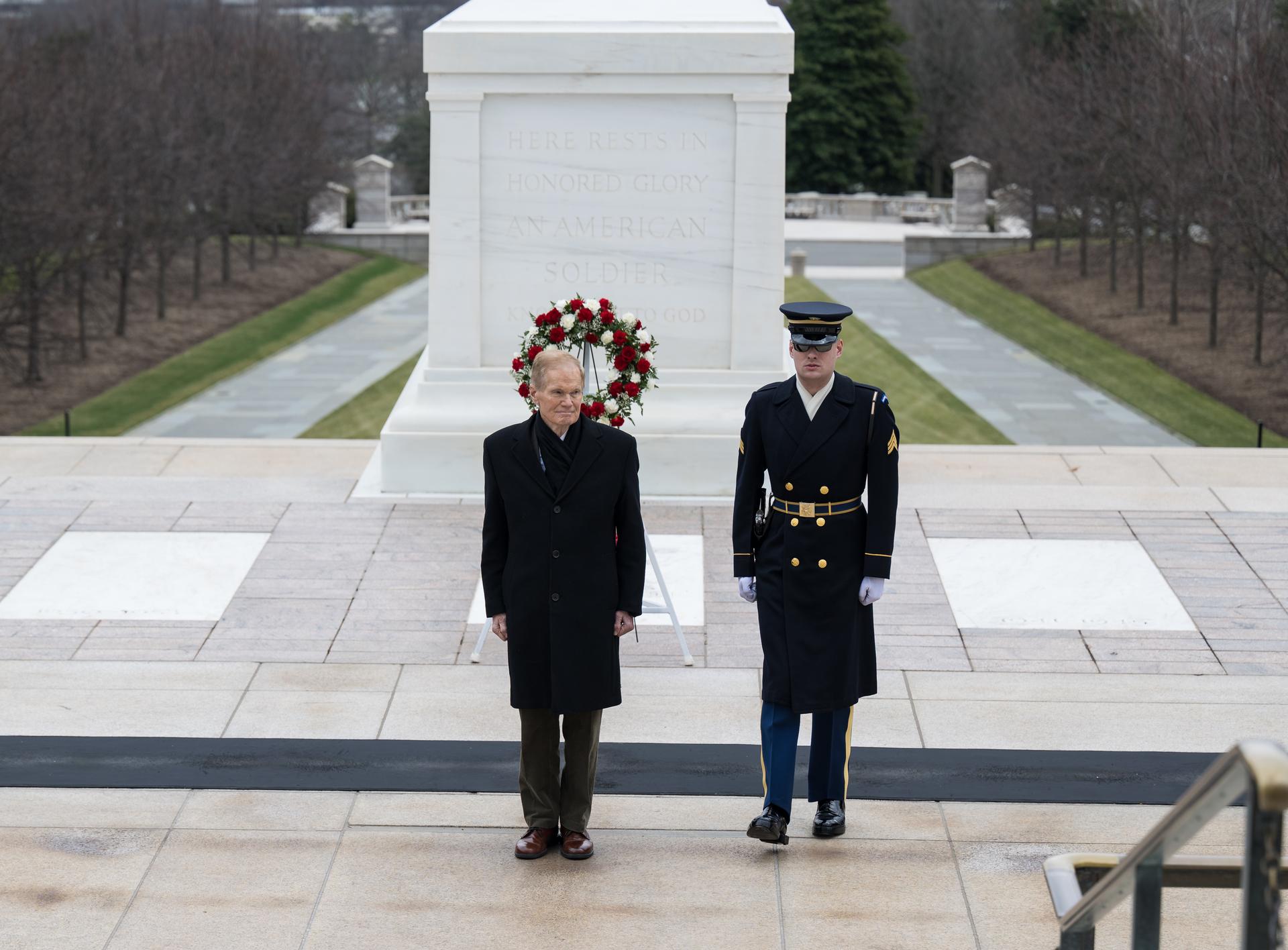
Arlington Memorial
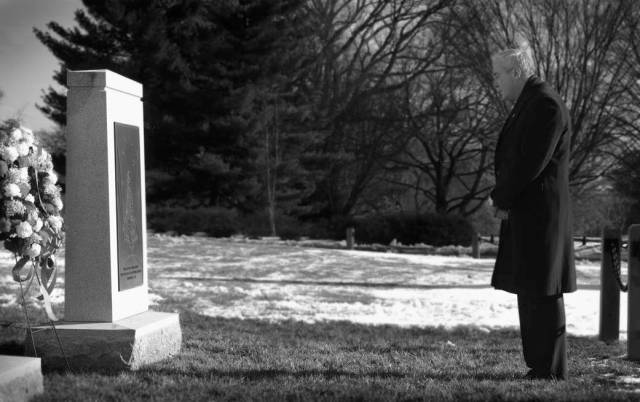
Information about the Columbia Memorial at Arlington National Cemetery.
Return to Flight
The Return to Flight Task Group was charged with delivering an independent assessment of NASA's Return to Flight efforts.
A Renewed Commitment to Excellence
A Renewed Commitment to Excellence: An Assessment of the NASA Agency-wide Applicability of the Columbia Accident Investigation Board Report, January 30, 2004: