




Unique Expertise and Facilities

    Dr. Raj Kaul examines bricks of radiation shielding material. Dr. Raj Kaul examines "bricks" of radiation shielding material. Image Credit: NASA/MSFC
    The Marshall team works together across scientific and engineering disciplines to design, develop, integrate, test, and operate complex rockets, spacecraft systems and science instruments that enable exploration and scientific discovery. A few of Marshall's unique facilities and capabilities include:


    Materials and Processes
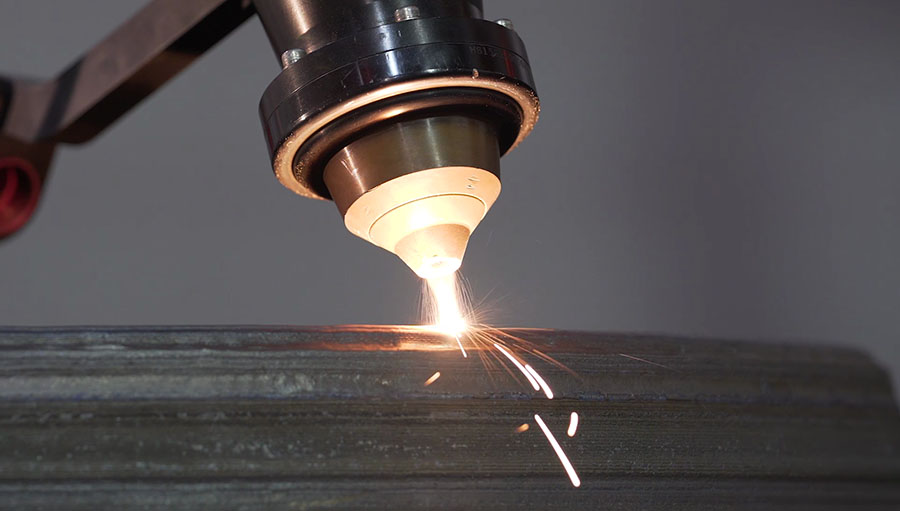
    • Defines and develops state-of-the-art materials, streamlined processes, and light-weight, high-strength products to be used in the harsh space environment
    • Houses the country's largest friction-stir welding machine, which creates large-scale structures such as Ares rocket tanks
    • Manages the National Center for Advanced Manufacturing, NASA's principal resource for aerospace manufacturing research, development, and innovation
    Mission Operations
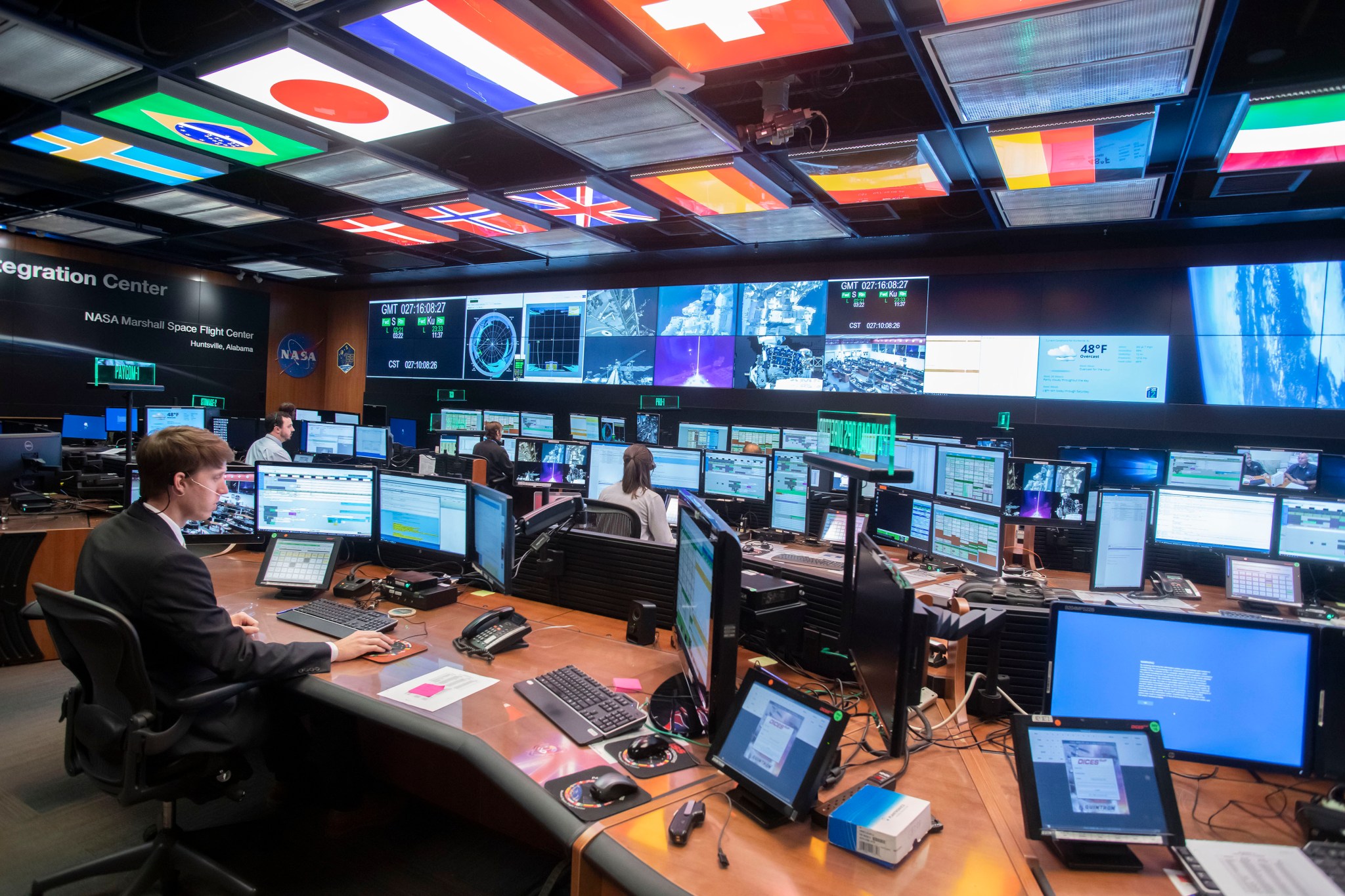
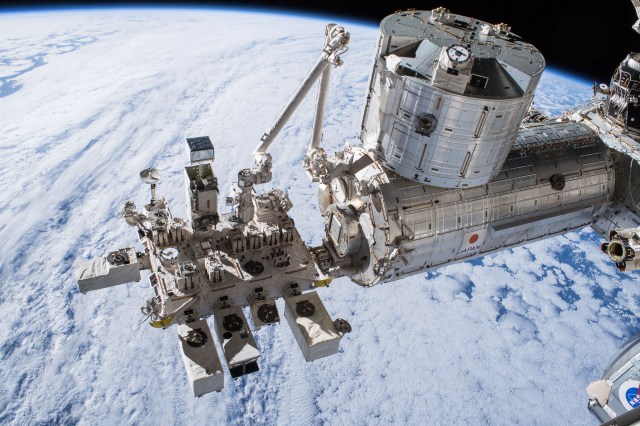
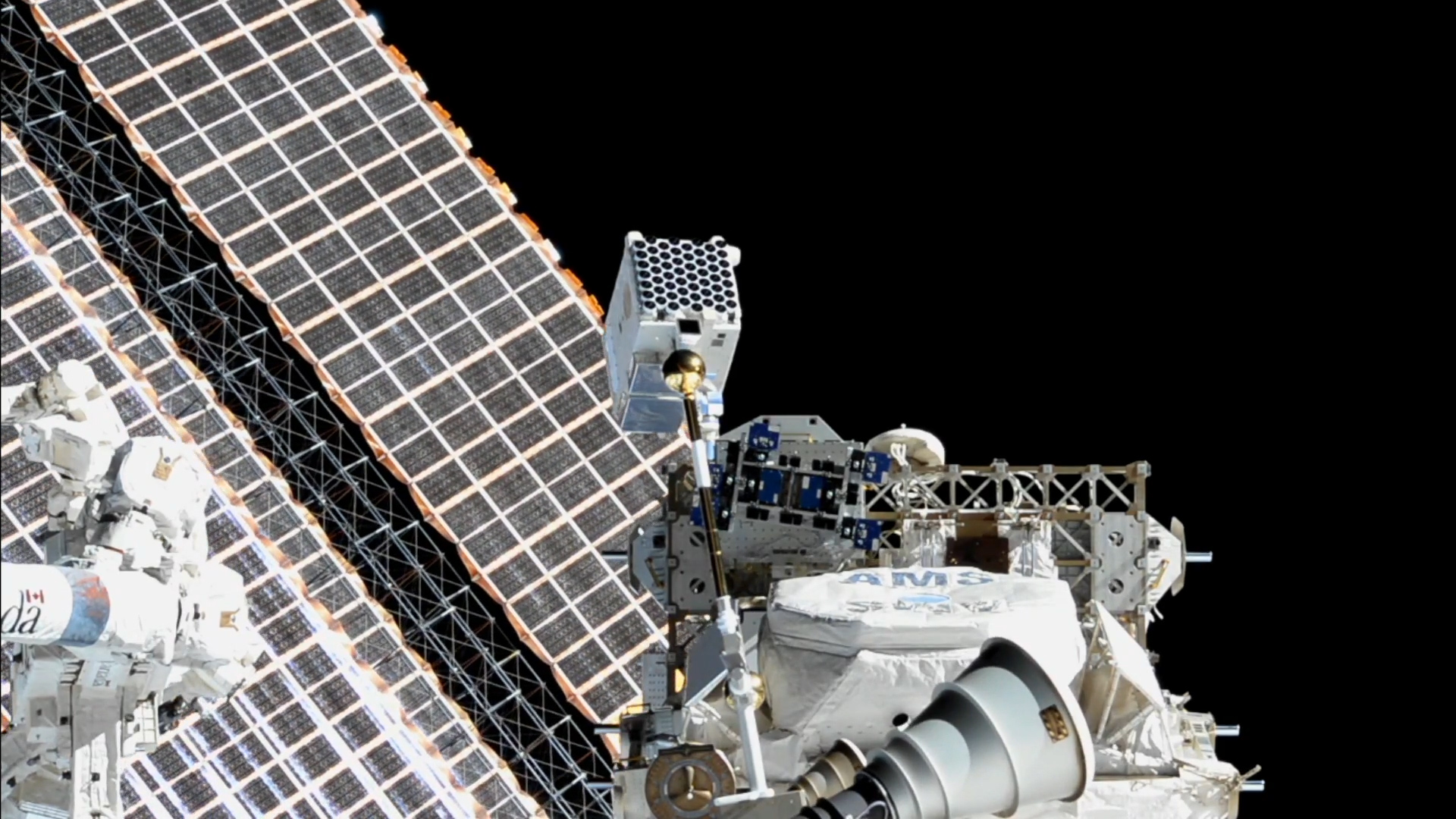
    • Home of NASA's Payload Operations Center, which is the International Space Station's primary science command post for more than six years of continuous station habitation
    • Mission Operations Laboratory experts train astronauts and ground controllers to operate and maintain U.S. science experiments.
    • Ground systems include telemetry, voice, video, information management, data reduction, and payload planning to link scientists around the world with their experiments
    • Huntsville Operations Support Center supports shuttle launches, monitoring a range of propulsion parameters
    Propulsion Systems
    • Develops and matures propulsion technologies for current and future space transportation and science missions
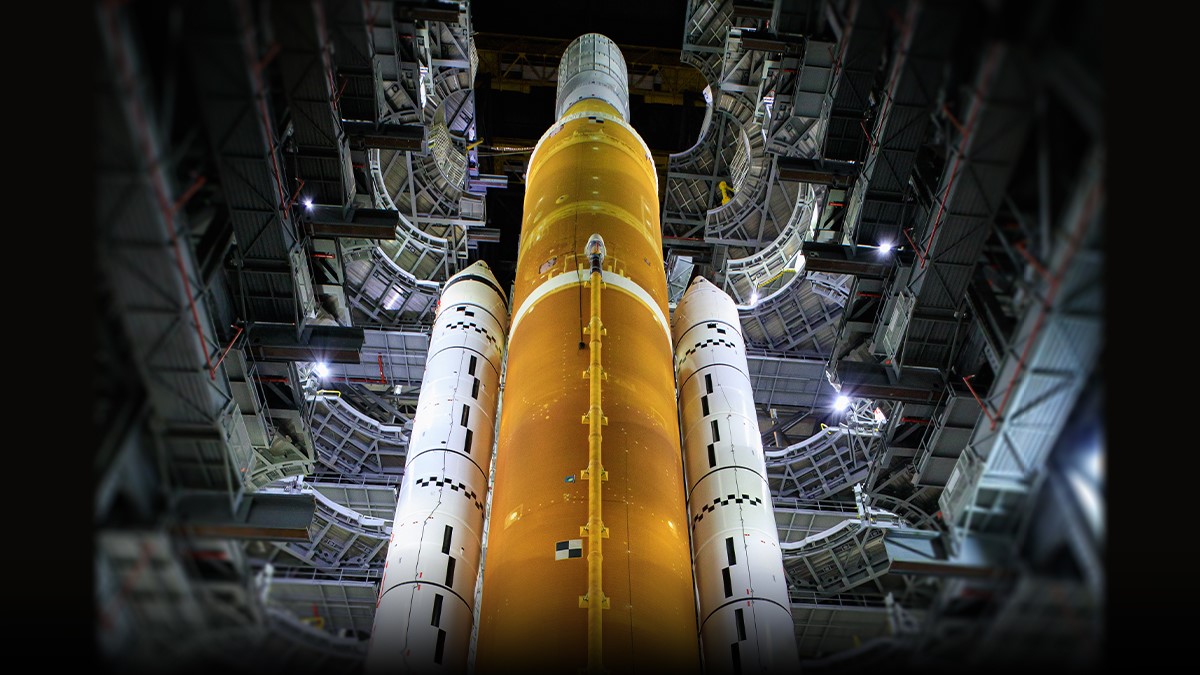
    • Contributes engineering expertise for all transportation phases, including boost, upper stage, and in-space applications
    • Operates the Propulsion Research Development Laboratory, a national resource for researchers from NASA, other government agencies, and universities; it includes high-bay space used by operations staff to try out Ares I upper stage processing procedures to reduce vehicle turnaround time and cost
    Space Systems
    • Designs, develops, integrates, tests, and fields the range of human and robotic systems
    • Defines and develops science experiments and life support systems
    • Performs mechanical design and analysis, electrical design and integration for hardware, and data systems design and development
    • Performs testing and flight certification for International Space Station science racks
    Spacecraft and Vehicle Systems
    • Provides system design and analysis, including structural, avionics, flight mechanics
    • Performs end-to-end systems engineering to fully integrate spacecraft and vehicles with ground processing and launching facilities
    • Provides vehicle technical design and verification, from concept through post-flight performance assessments
    • Provides sustaining engineering support to the shuttle, space station, Chandra X-Ray Observatory, and other space systems
    Test Facilities
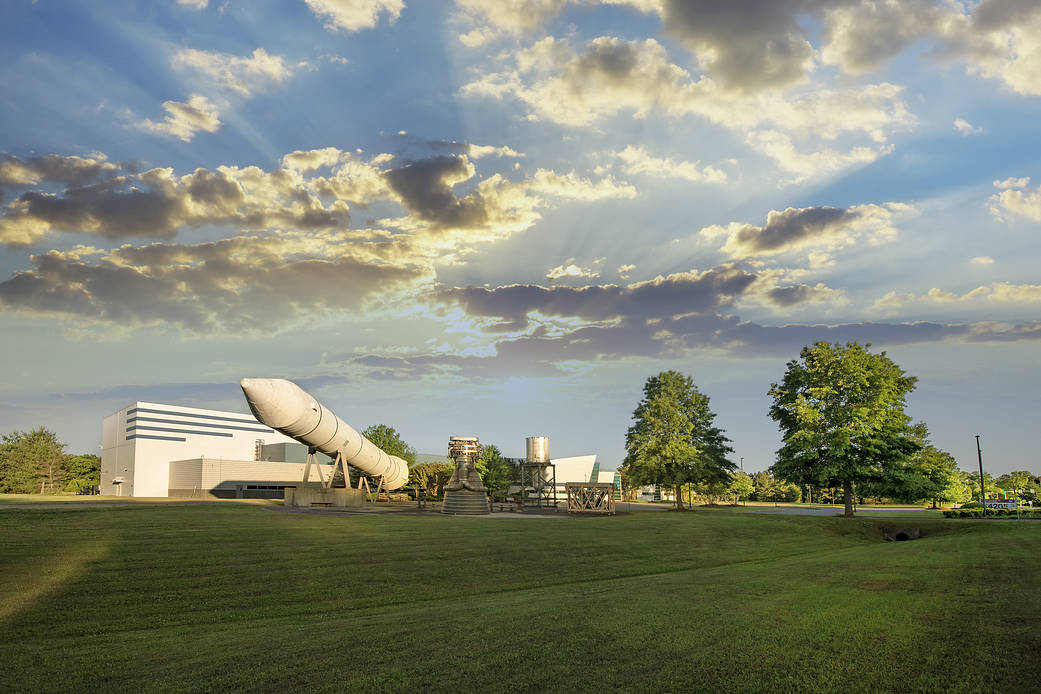
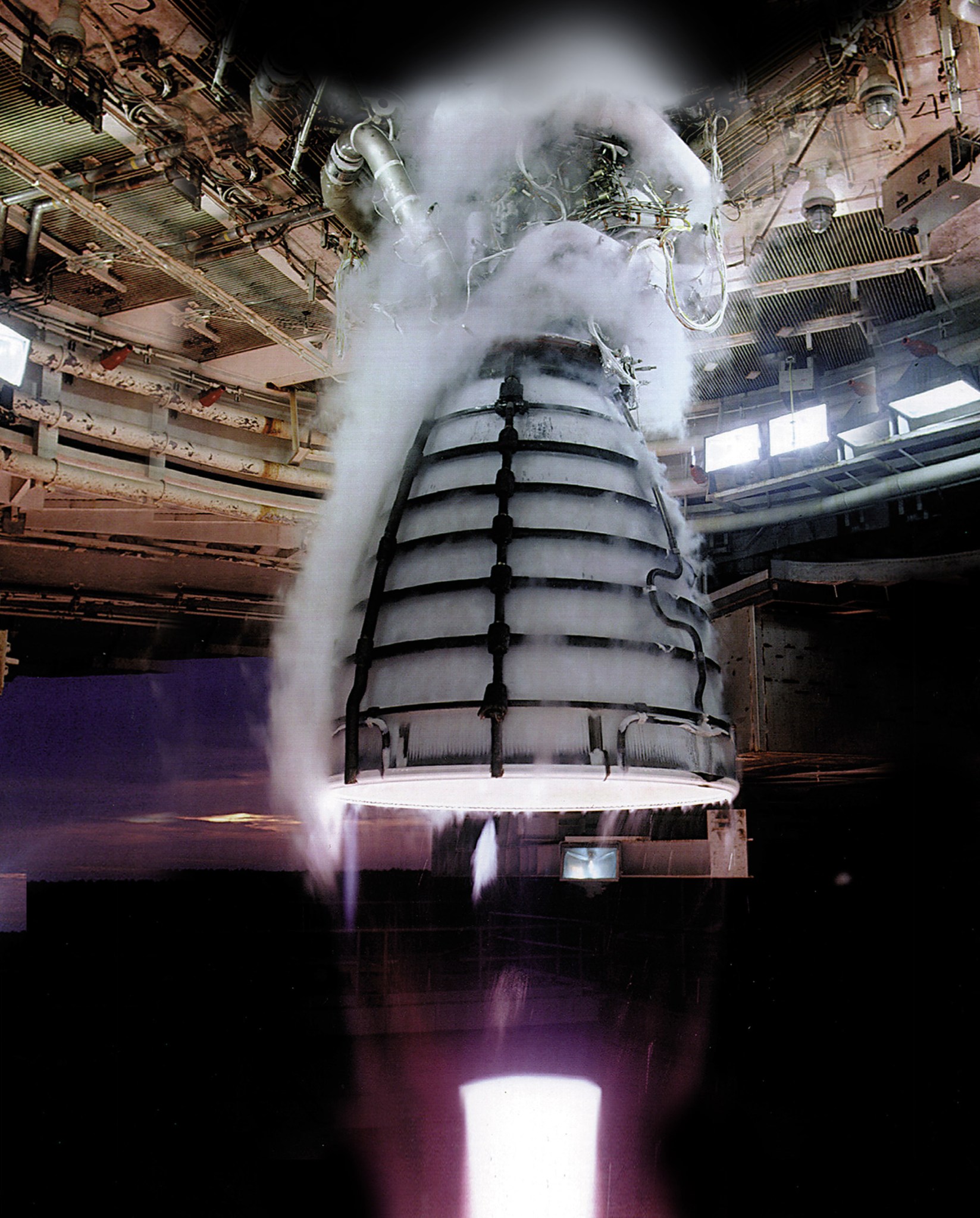
    • Includes more than 40 facilities for all types of rocket and space transportation technology testing, from small components to full-up engine hot-fire testing.
    • Responsible for overall performance of the test program from conception to completion.
    • Offers one of the few test stands in the world that can handle large liquid-fueled rocket engines.
    • Provides an unsurpassed capability for testing large rocket structures.
    Environmental Control and Life Support System Facility
    • Provides a test bed for delivering clean air, a comfortable living environment, and drinkable water on the space station.
    • Modules simulate the space station environment, with treadmills, urine and perspiration sample collection tools, and laboratory for processing.
    Flight Robotics Facility
    • Home of the world’s flattest floor: 44 feet wide, 86 feet long, and varying no more than 1/1000th inch in height
    • It is completely black and able to simulate floating in space.
    • Houses large overhead robotic arm used to test automated rendezvous and docking sensors.
    National Space Science and Technology Center
    • State-of-the-art research facility on the campus of UAHuntsville
    • Many specialized laboratories for conducting cutting-edge research in Earth and space sciences
    • Work is performed in collaboration with academic, private sector, and government partners
    SERVIR Test Bed
    • Uses satellite imagery to monitor and forecast ecological changes and severe events such as forest fires and red tides.
    • Can monitor areas at risk for flooding or natural disasters such as landslides.
    • Used to locate archaeological ruins.
    Space Optics Manufacturing
    • Performs research on optics for future space telescopes.
    • Develops ultra-lightweight optics materials and fabrication technologies.
    X-ray & Cryogenic Facility
    • World's largest and most advanced laboratory for simulating X-ray emissions from distant celestial objects.
    • Instrumental in developing the optics for the Chandra X-ray Observatory and X-ray telescopes that study the birth and death of stars and galaxies.
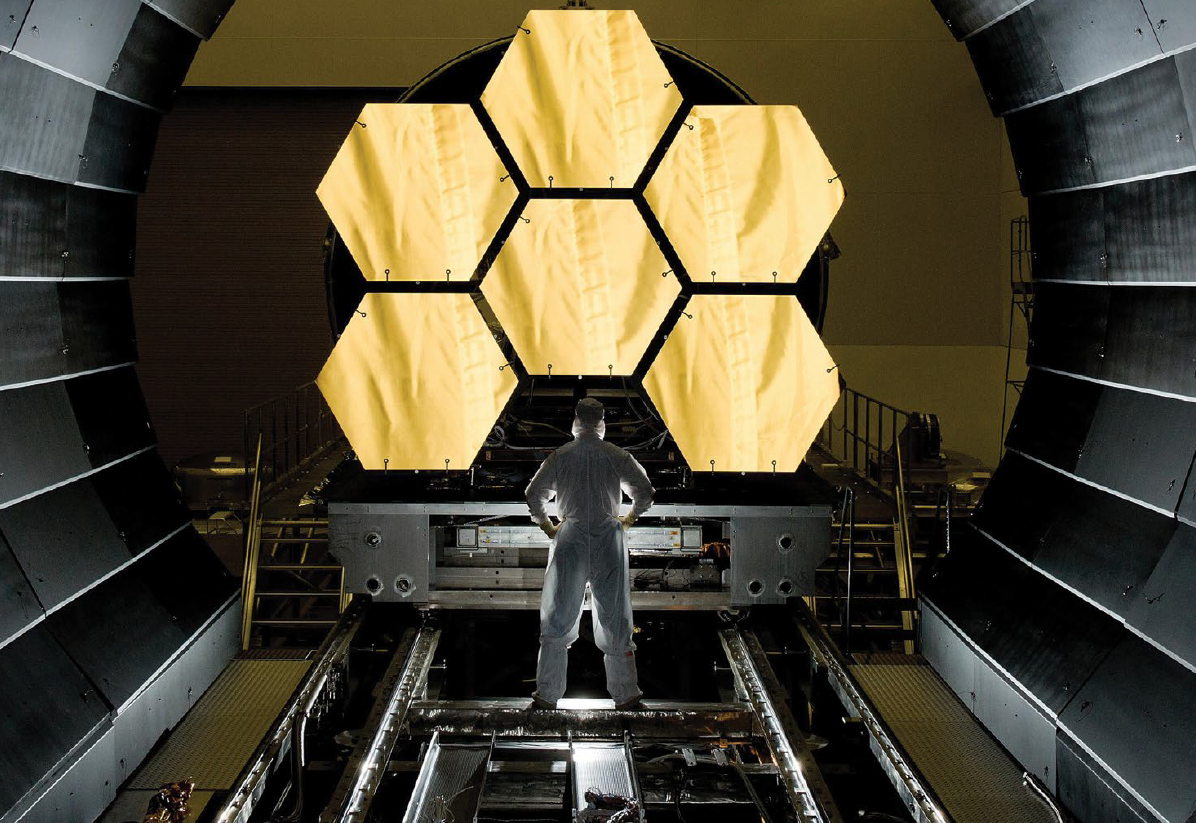
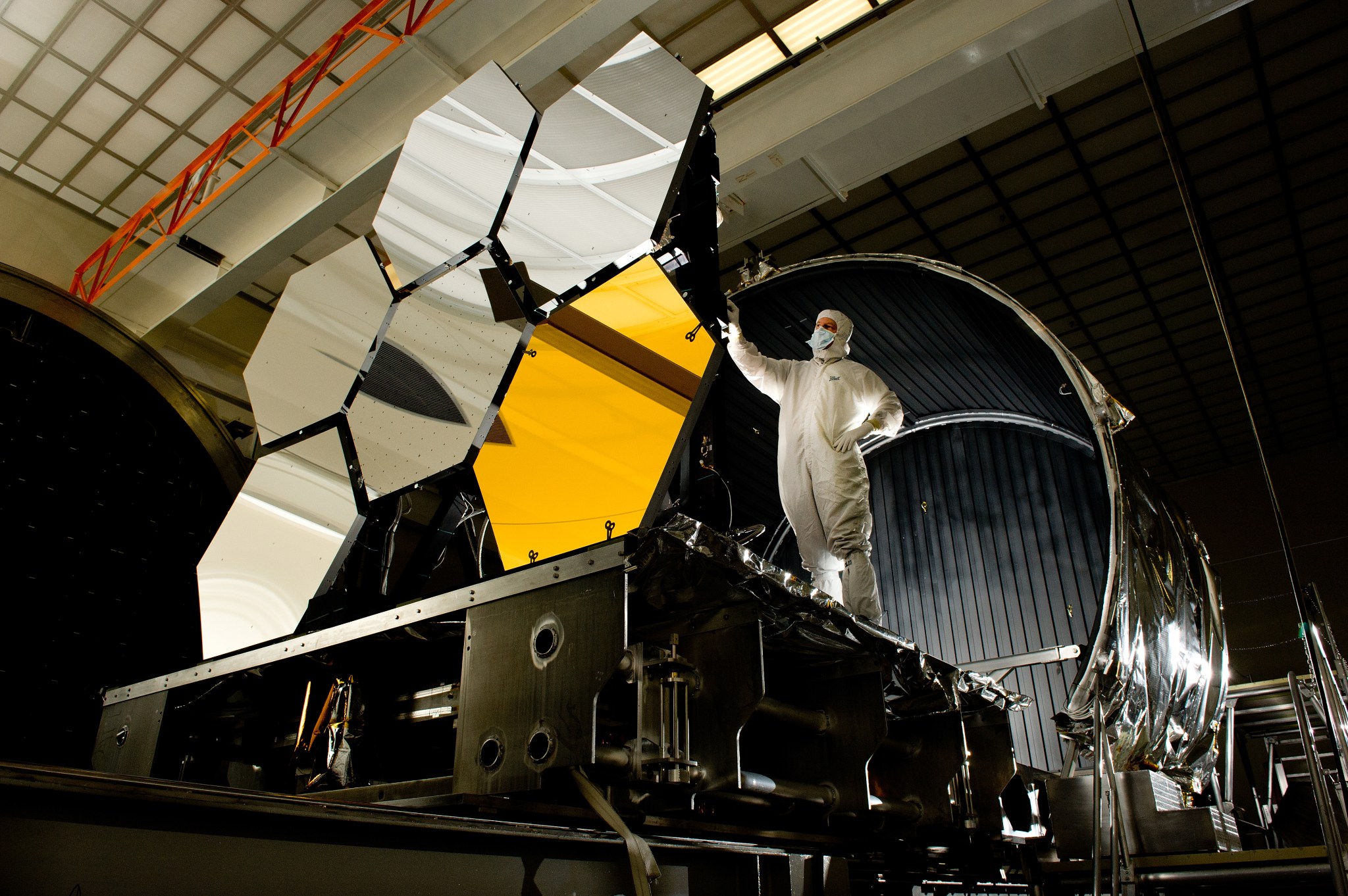
    • X-ray & Cryogenic Facility supports the James Webb Space Telescope with the very-low-temperature and very-high-temperature environments required for cryogenic-optical verification.

Other Resources

  • Safety graphic

    Marshall Safety Capabilities

    The Marshall workforce is committed to mission success and making the workforce, the center's work, and the agency as safe as possible.

    › Read More
  • Payload Operations Center

    Payload Operations Center

    Managed at Marshall, the Payload Operations Center is the International Space Station's primary science command post.

    › Read More
  • Artist concept of NCAM

    National Center for Advanced Manufacturing

    NCAM addresses the manufacturing requirements of space transportation systems.

    › View Site  →