







Release No. 96-044
Enhanced Dynamic Load Sensors On Mir (EDLS-Mir)
What Are The Objectives Of EDLS-Mir?
EDLS-Mir is designed to measure the forces imposed on
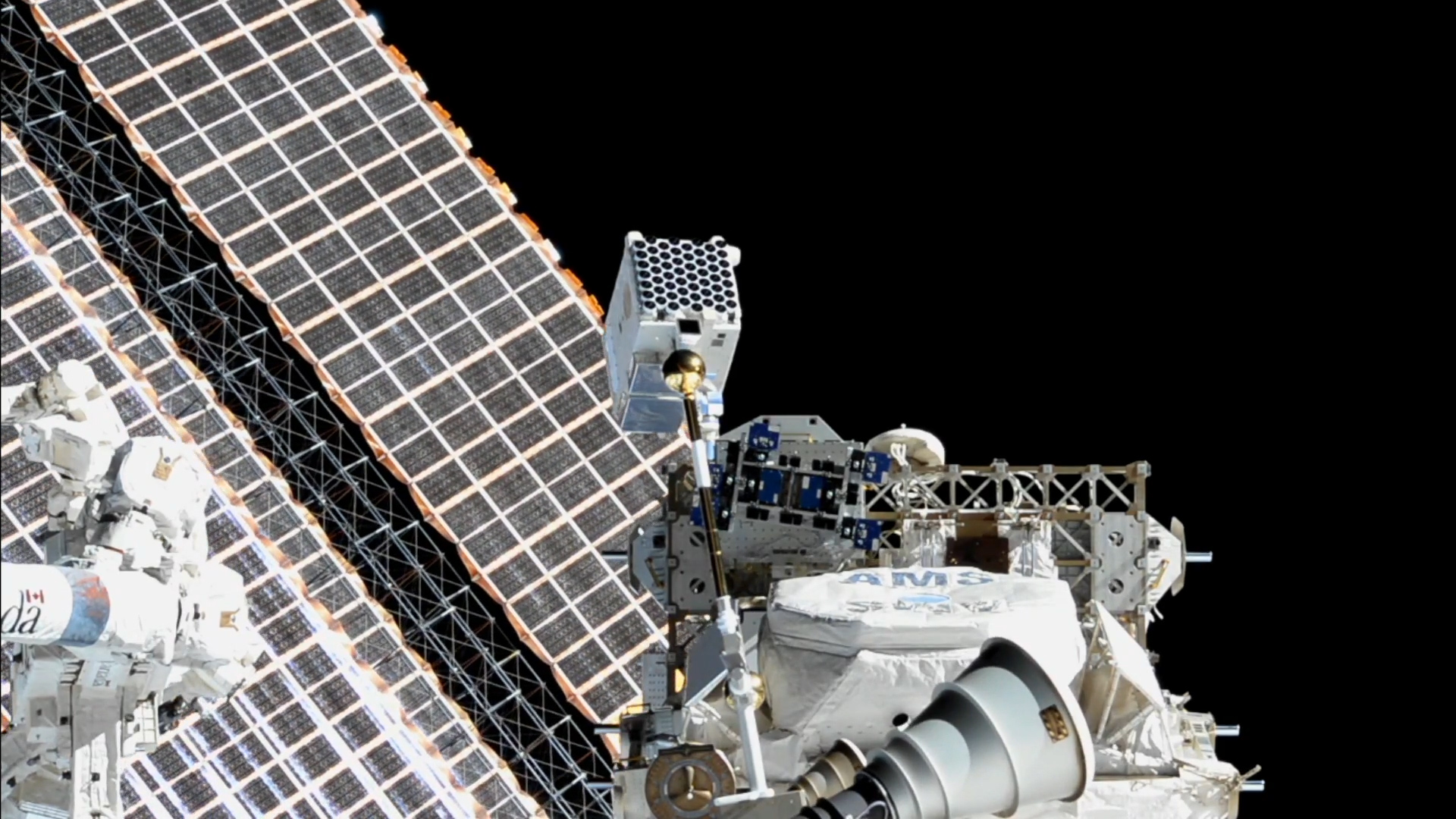
the Russian space station Mir
by the crew during their normal work routines. Simple, everyday
activities, such as opening and closing a locker door or moving
from one work station to another, cause vibrations on the space
station that can affect some of the more sensitive microgravity
experiments.
How Will The EDLS-Mir Data Improve The International Space
Station?
EDLS-Mir will provide the designers of the International Space
Station (ISS) with an extensive data set on the effects of crew
movement on a space station's microgravity environment. In
addition, EDLS will provide ISS designers with the critical
information necessary for the design of both active and passive
devices to control the effects of crew movement on scientific
experiments. ISS engineers will use the EDLS-Mir data to develop
and refine the computer models that are used to predict the effects
of crew movement on the ISS.
What Hardware Components Make Up EDLS-Mir?
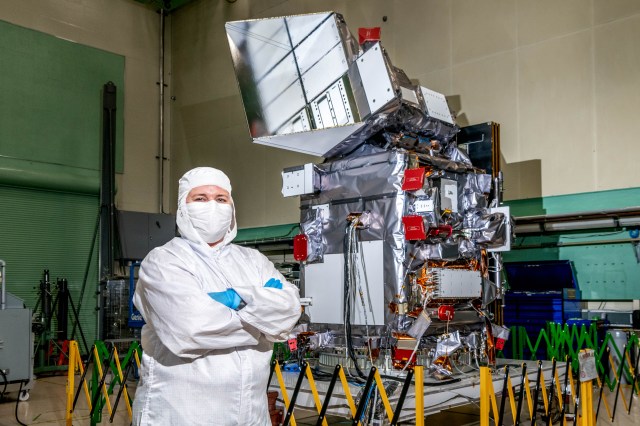
EDLS-Mir consists of two instrumented foot loops/restraints, a
handhold and a push-off plate. The four sensors are connected to a
high-speed, computer-controlled data acquisition and storage system
through separate umbilical cords. The EDLS sensors will measure the
magnitude and frequency of the forces the crew exert when they use
the restraints.
How Will EDLS Study Crew Motions Aboard Mir?
The EDLS-Mir sensors will initially be located at the Priroda
module's glove box, a high-activity area aboard Mir. The EDLS
sensors will be used by Mir crew members to maintain their
positions while working with the glove box during the performance
of scientific experiments. When a crew member uses the EDLS
restraints, any crew motion is detected by the sensors and the
forces are measured at a rate of 1,500 samples per second for each
restraint. Over a period of approximately six months, EDLS will be
set up at several different locations aboard Mir to obtain data on
a wide variety of crew operations.
Has EDLS-Mir Flown In Space Before?
Nearly all the components of EDLS-Mir flew on STS-62 in March
1994 as part of the Middeck 0-gravity Dynamics Experiment
(MODE).
For more information on the Mir Enhanced Dynamic Load Sensors
(EDLS-Mir) experiment please contact the NASA Langley Office of
Public Affairs at (757) 864-6123.
text-only version of this release |