







THE ASTRONAUT
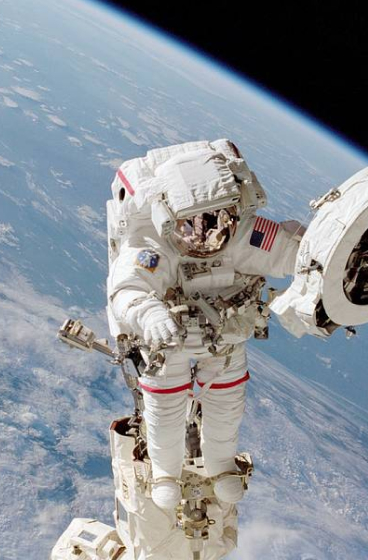
Meet Butch Wilmorethe astronaut
Meet Suni Williamshumans in space
Commercial Crew Program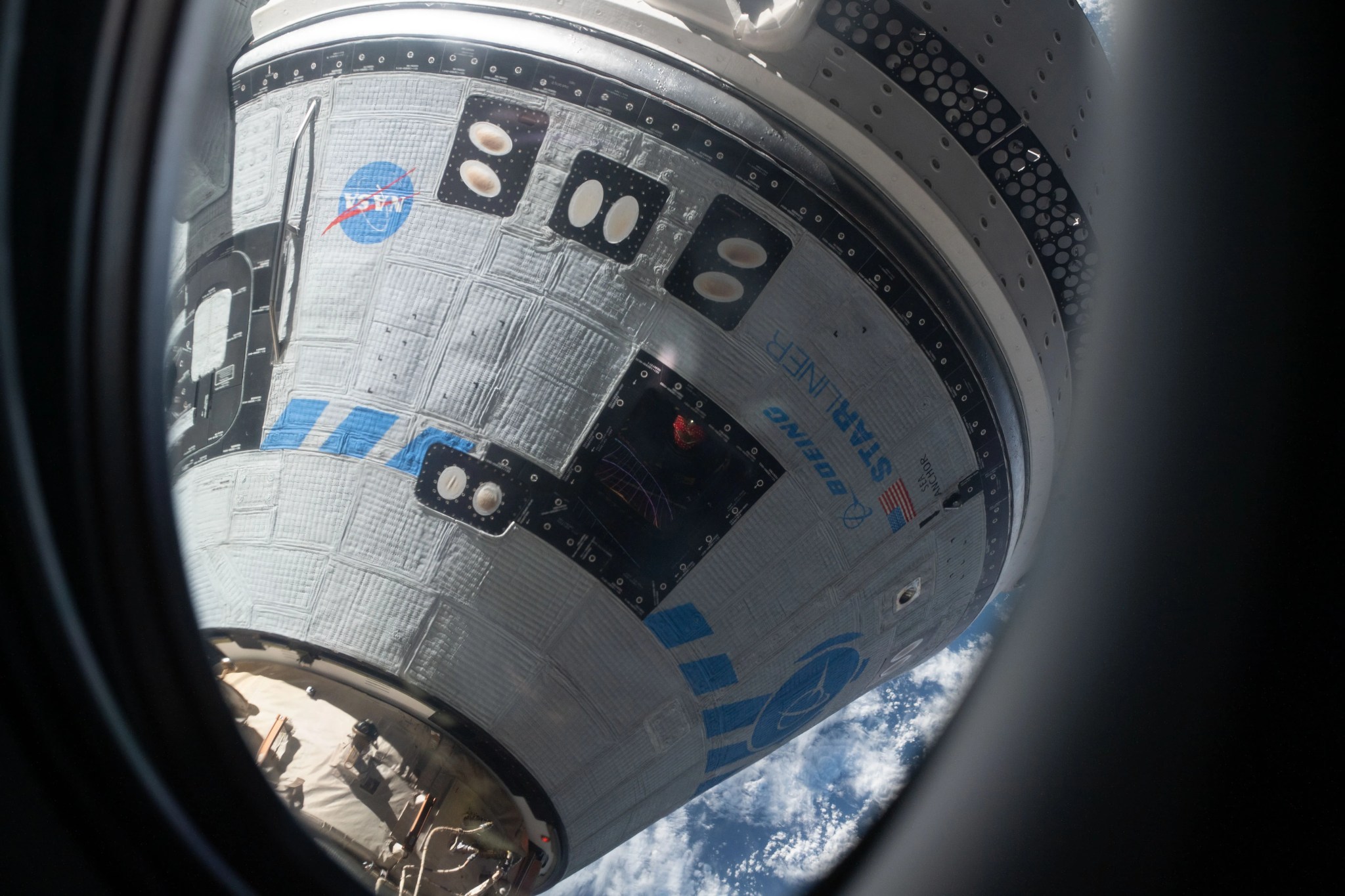
citizen science
A Solar Neighborhood Censuscitizen science
Comet Discoverycitizen science
Active Asteroids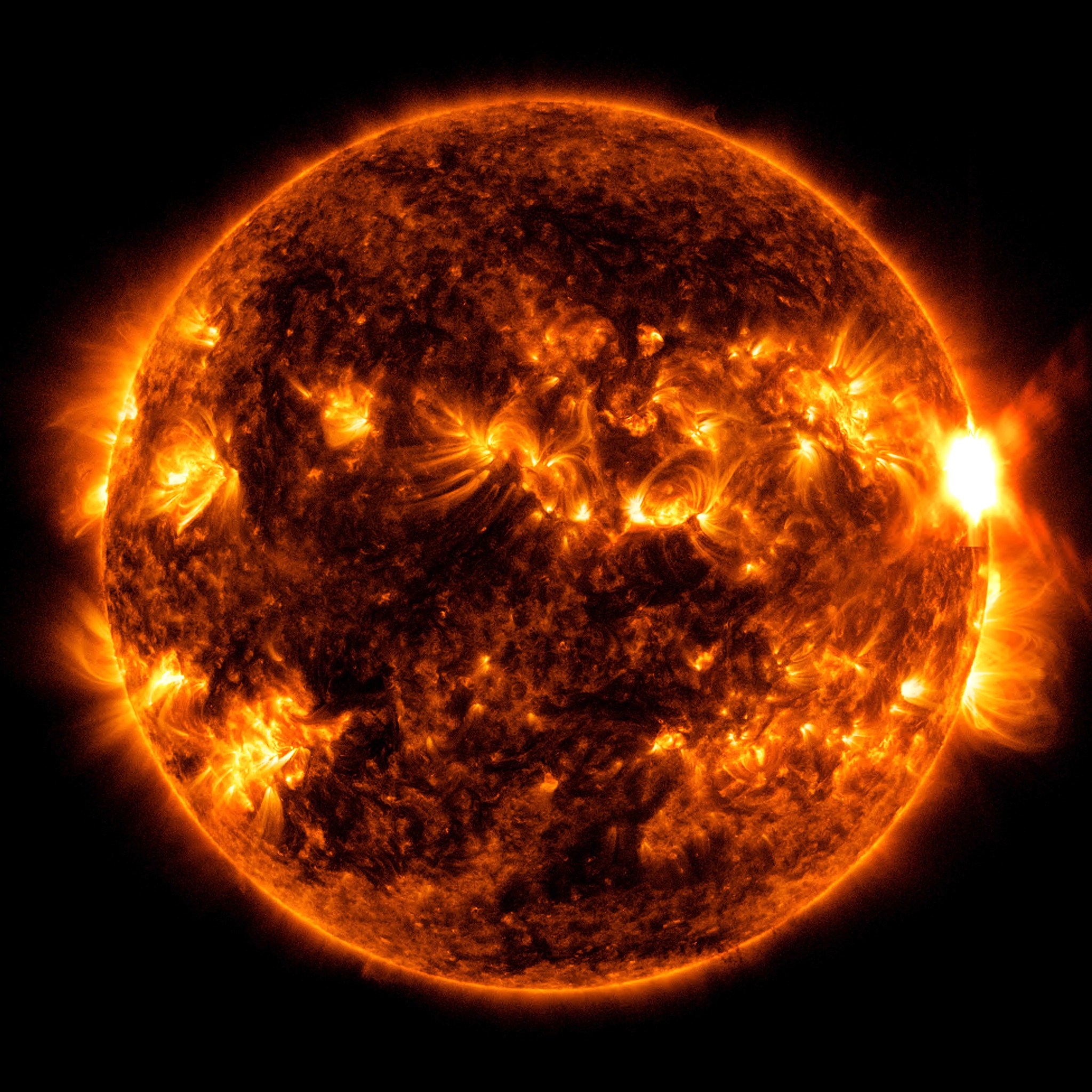
Featured News

NASA Wins 6 Webby Awards, 8 Webby People’s Voice Awards
NASA’s broad reach across digital platforms has been recognized by the International Academy of Digital Arts and Sciences (IADAS), which…
Read the Story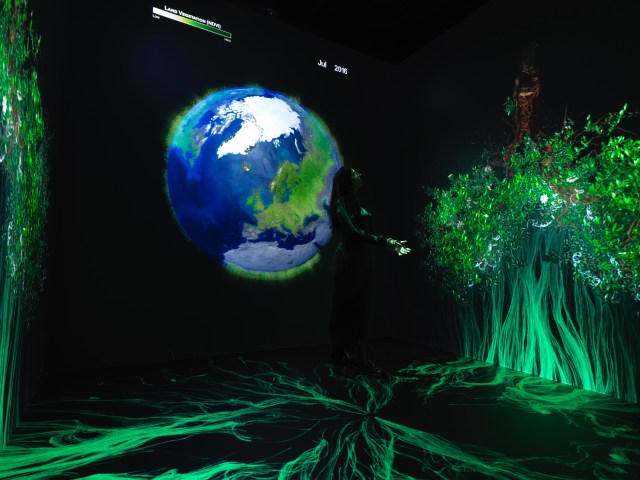
Today
Image Of The Day
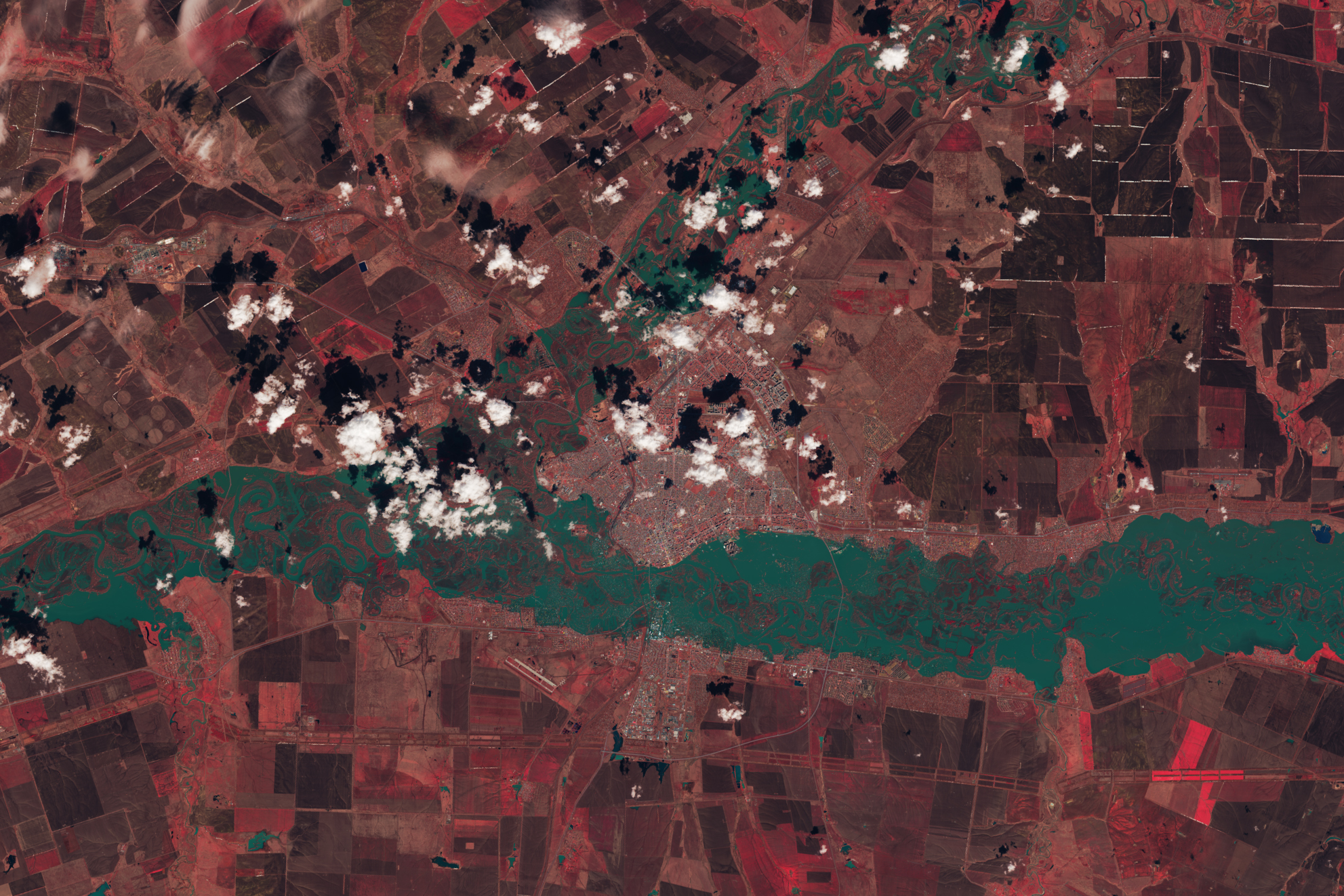
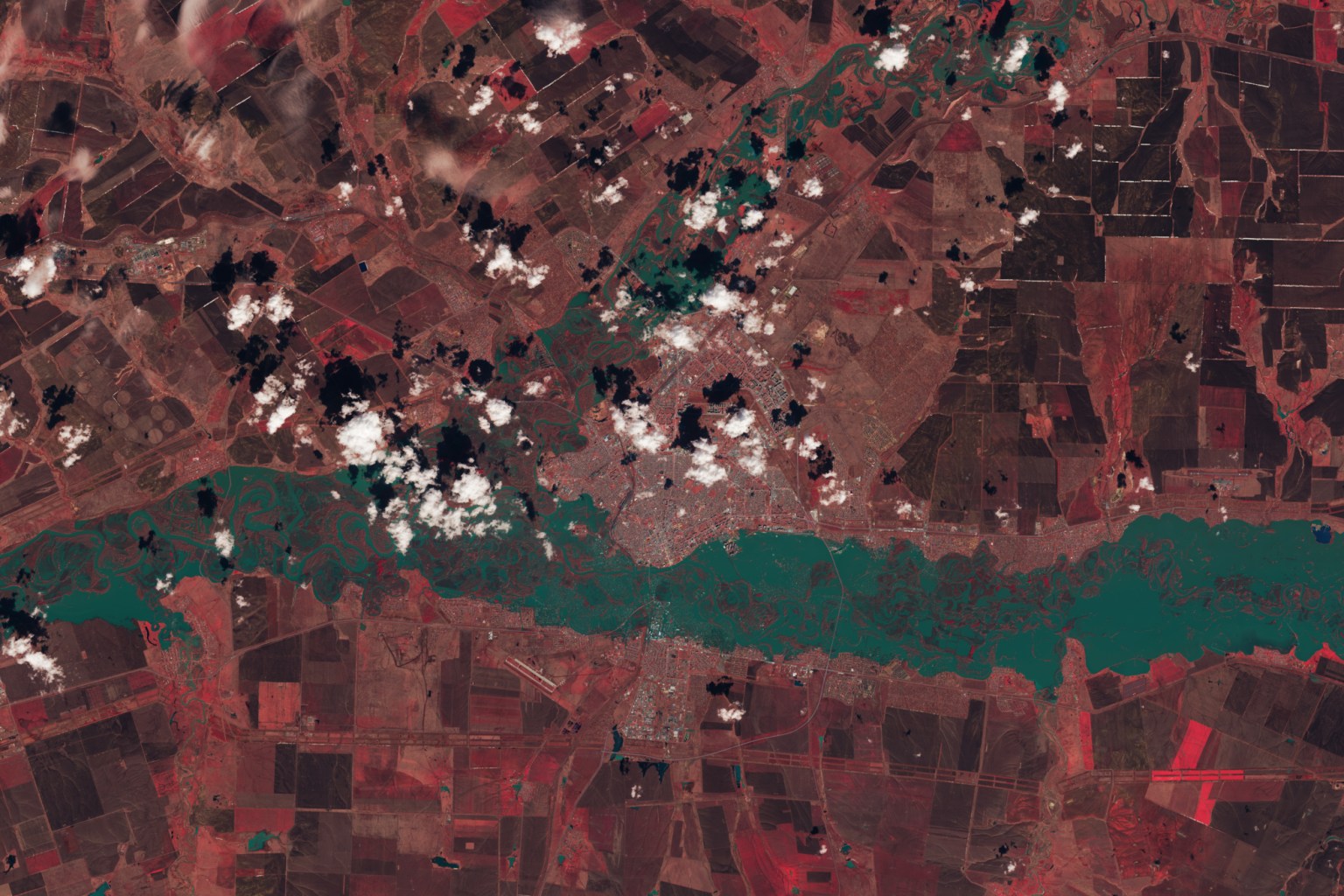
Tracking Spring Flooding
Rivers swelled in southern Russia and northern Kazakhstan in April 2024 following heavy rain and rapid snowmelt. This image shows Orenburg on April 13, the day river levels peaked. This scene was acquired by the OLI-2 (Operational Land Imager) on Landsat 9.
Earth Information Center
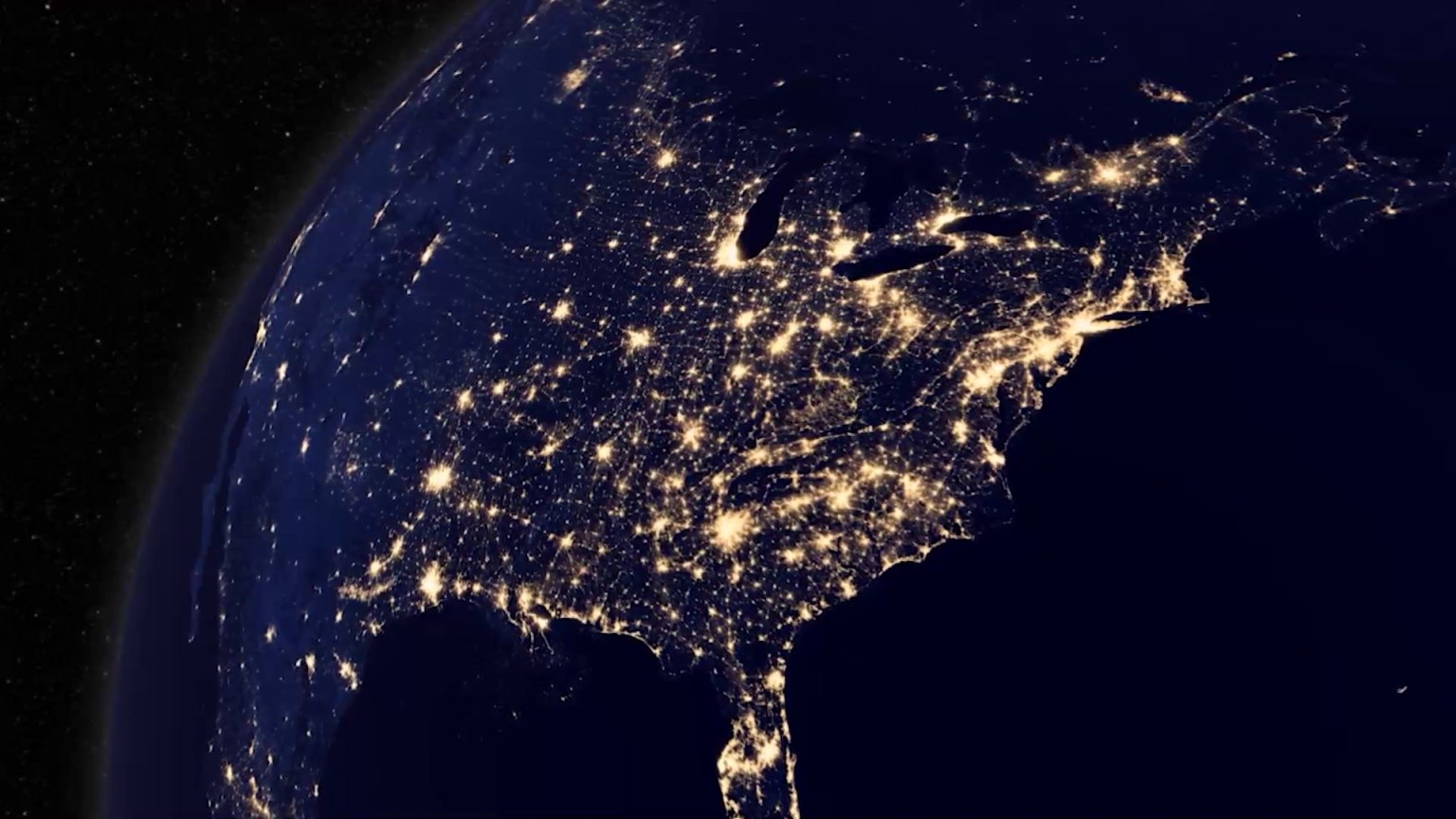
For more than 50 years, NASA satellites have provided data on Earth's land, water, air, temperature, and climate. NASA's Earth Information Center allows visitors to see how our planet is changing in six key areas: sea level rise and coastal impacts, health and air quality, wildfires, greenhouse gases, sustainable energy, and agriculture.
Start Exploring about Earth Information Center
Latest News


Slovenia Signs Artemis Accords, Joins Pursuit of Safer Space

NASA Announces Winners of Power to Explore Challenge
NASA Invites Media for Climate Update, New Earth Missions

NASA to Host a Pair of Briefings for Starliner Crew Flight
Explore the Universe from your Inbox
Stay up-to-date on the latest news from NASA–from Earth to the Moon, the Solar System and beyond.
We will never share your email address.